Fire-Rated Doors: Maintenance and Inspection Basics
Fire-Rated Doors: Maintenance and Inspection Basics
Specifying fire-rated doors is the straightforward part. Keeping them compliant after years of daily use is where most projects lose ground. Owners report rusted frames on exposed entrances, painted-over certification labels, swollen cores, sagging leaves that no longer latch, and intumescent seals that have been damaged by cleaning crews. Renovation contractors inherit assemblies that were trimmed on site, and installers face openings that are out of plumb. This guide covers what these doors are made of, which specifications matter, how to maintain them, and what a defensible inspection actually looks like.
What Fire-Rated Doors Are Made Of
Fire-rated doors are assemblies, not single products. The leaf, frame, seals, glazing and hardware are tested together, and the rating applies only to that combination. Common constructions include galvannealed or galvanized steel, timber treated with fire-retardant salts, and aluminium profiles built around a mineral core. Ratings typically run from 20 to 180 minutes and are established under recognised test methods such as UL 10C, NFPA 252, EN 1634-1, BS 476 Part 22 or AS 1905.1, depending on the market.
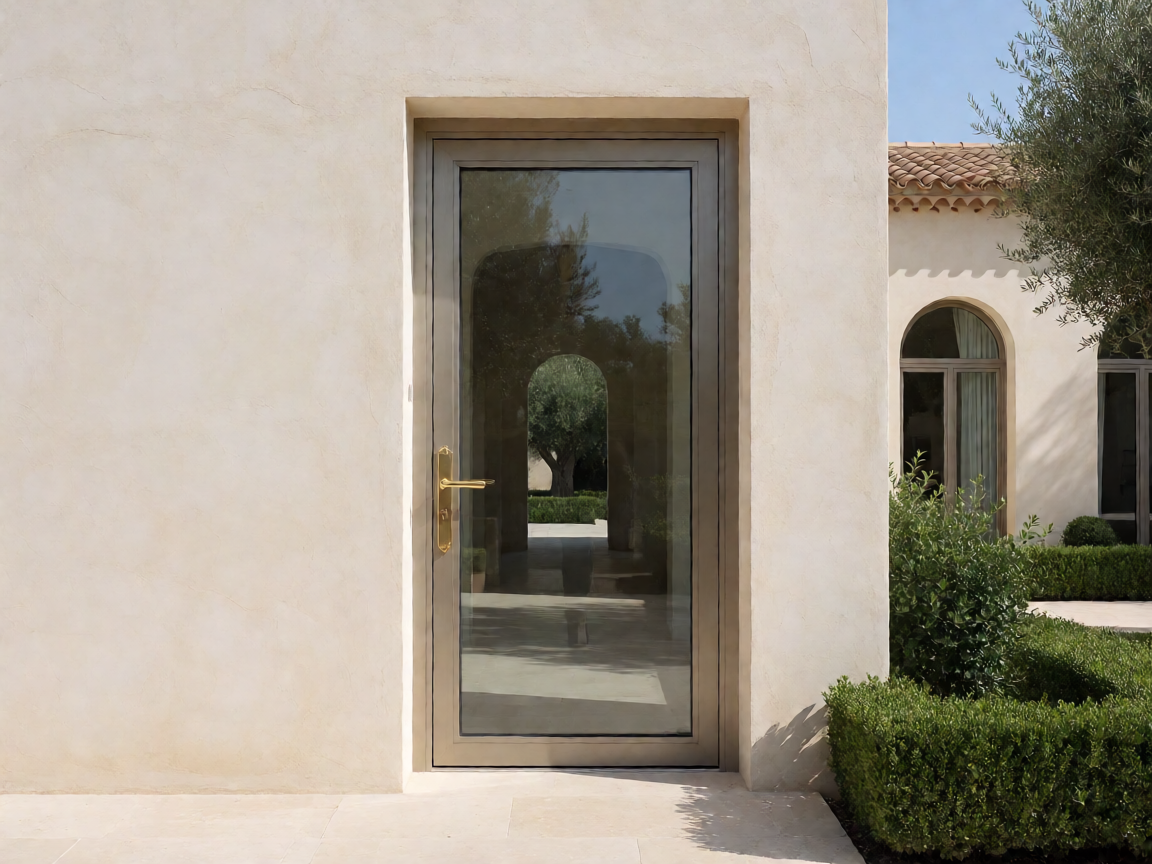
The materials that make the rating work are rarely visible. Intumescent strips expand under heat to seal the gap between leaf and frame. Smoke gaskets control cold smoke migration. Mineral or perlite cores slow heat transfer, and fire-rated glazing holds its integrity long enough to allow evacuation. For exterior villa entrances, aluminium assemblies with mineral cores are popular because they resist corrosion while still carrying a tested rating.
Product Structure and Specification Explained
When comparing quotations, ask for the components behind the rating rather than the finish alone.
| Component | Typical specification | What to verify on site |
|---|---|---|
| Frame | 1.5–2.0 mm steel or 2.0 mm aluminium profile, mechanically anchored | Straightness, anchorage into a solid substrate, correct packing |
| Leaf / plate thickness | 44–54 mm overall; steel faces 0.8–1.5 mm, aluminium skins 2 mm | No field trimming, no unapproved cut-outs |
| Core filling | Mineral wool at roughly 100–120 kg/m³, perlite or gypsum | Intact core, no swelling, delamination or moisture damage |
| Glazing | Fire-rated glass with steel beads and intumescent tape | Original rated glazing retained, beads and tape intact |
| Lock system and hardware | Listed closers, hinges and latches, self-closing and positive latching | Latch engagement, closing force, seal compression |
Note that aluminium honeycomb filling is common in lightweight door construction and offers good stiffness-to-weight, but it should never be assumed to deliver a fire rating unless the complete assembly has been tested with it.
Key Advantages for Villa and Residential Exterior Applications
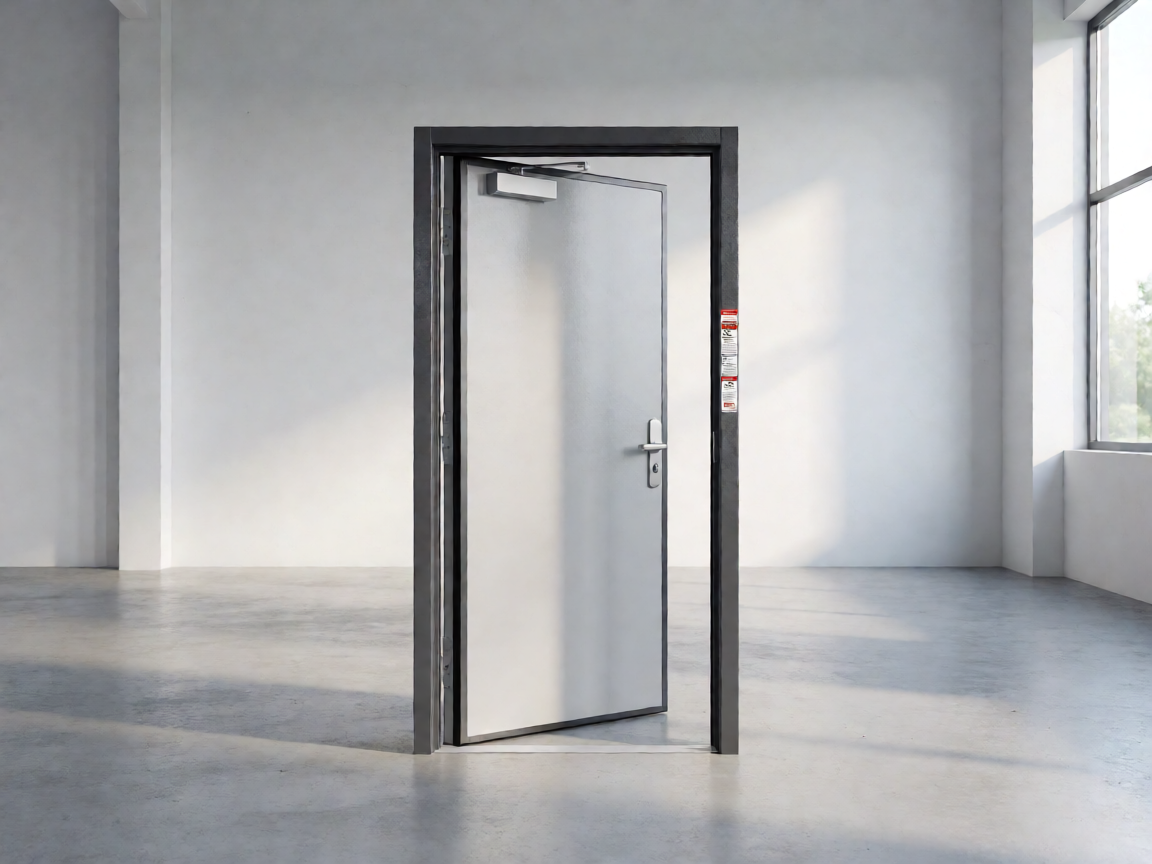
On residential projects, fire-rated doors often double as primary entrance or garage-link doors, so they must satisfy two briefs at once. Aluminium and coated steel resist rust and salt spray far better than untreated metal, which lowers long-term maintenance on coastal sites. Rated assemblies also bring robust hinges, reliable self-closing and positive latching — practical security benefits in a villa context. Because the same profiles can be finished to match surrounding joinery, a rated entrance can sit visually alongside a custom aluminium courtyard gate without looking like an industrial retrofit.
Available Custom Options
Customisation is possible within the limits of the tested assembly. Discuss options with the manufacturer before ordering.
- Finish and colour: powder coating, anodising and wood-grain sublimation in RAL or custom shades.
- Opening direction: left or right hand, inward or outward swing, subject to egress and code requirements.
- Smart fingerprint lock: available where the lock is listed with the assembly or installed as a tested accessory; a non-listed lock voids the rating.
- LED decoration: best kept to non-rated frames, sidelights or surrounding architecture.
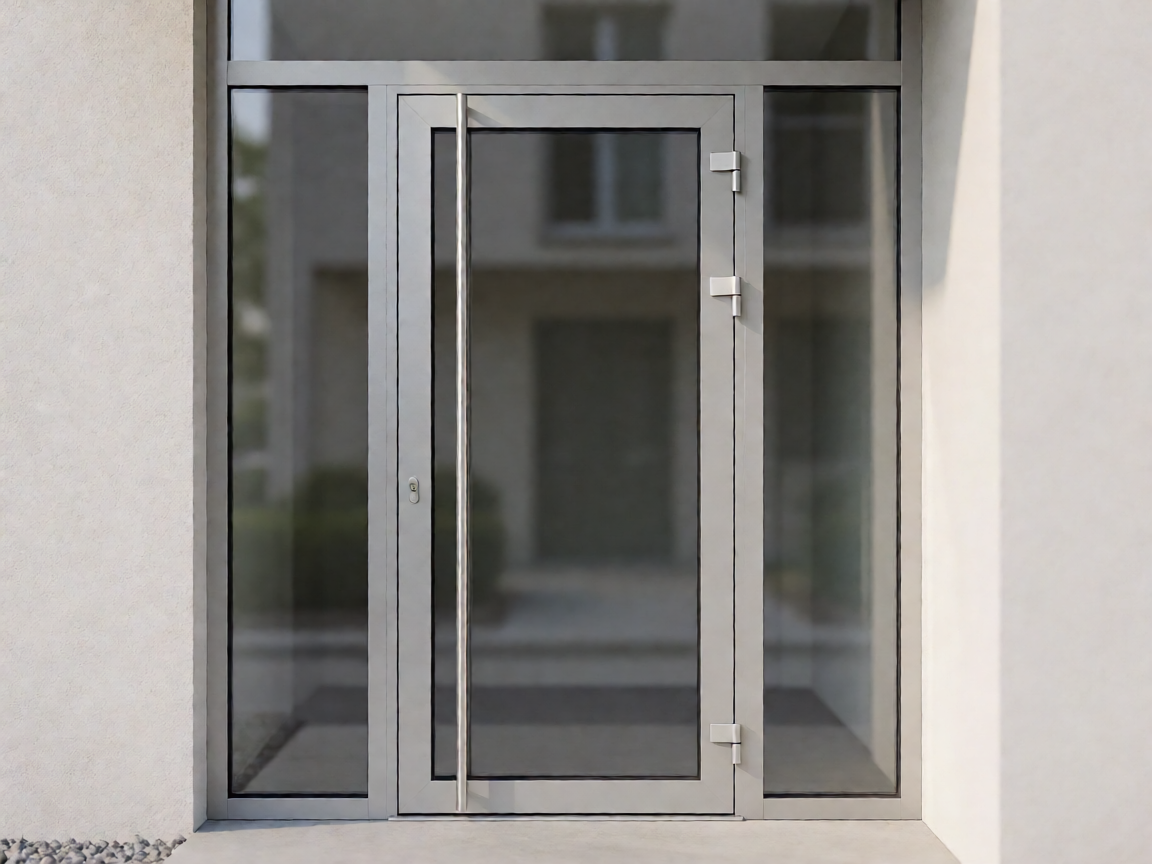
- Transom lintel, sidelights and glass spliced exterior door panels: glazed sections must use rated glass and correct beads.
- Aesthetic coordination: profiles, colours and handles matched to a cast aluminium villa door for a consistent façade.
Buying and Selection Tips
- Confirm the label, the rating in minutes, and the test standard on the product itself — not just in the brochure.
- Ask for the certification listing and hardware schedule; closers, hinges and locks must be part of the tested configuration.
- Measure the structural opening, check plumb and square, and allow for correct clearances before fabrication.
- Order replacement seals and gaskets with the door so future maintenance uses approved parts.
- Use an installer experienced with rated assemblies, and insist on written installation instructions.
Routine Maintenance: What to Check and How Often
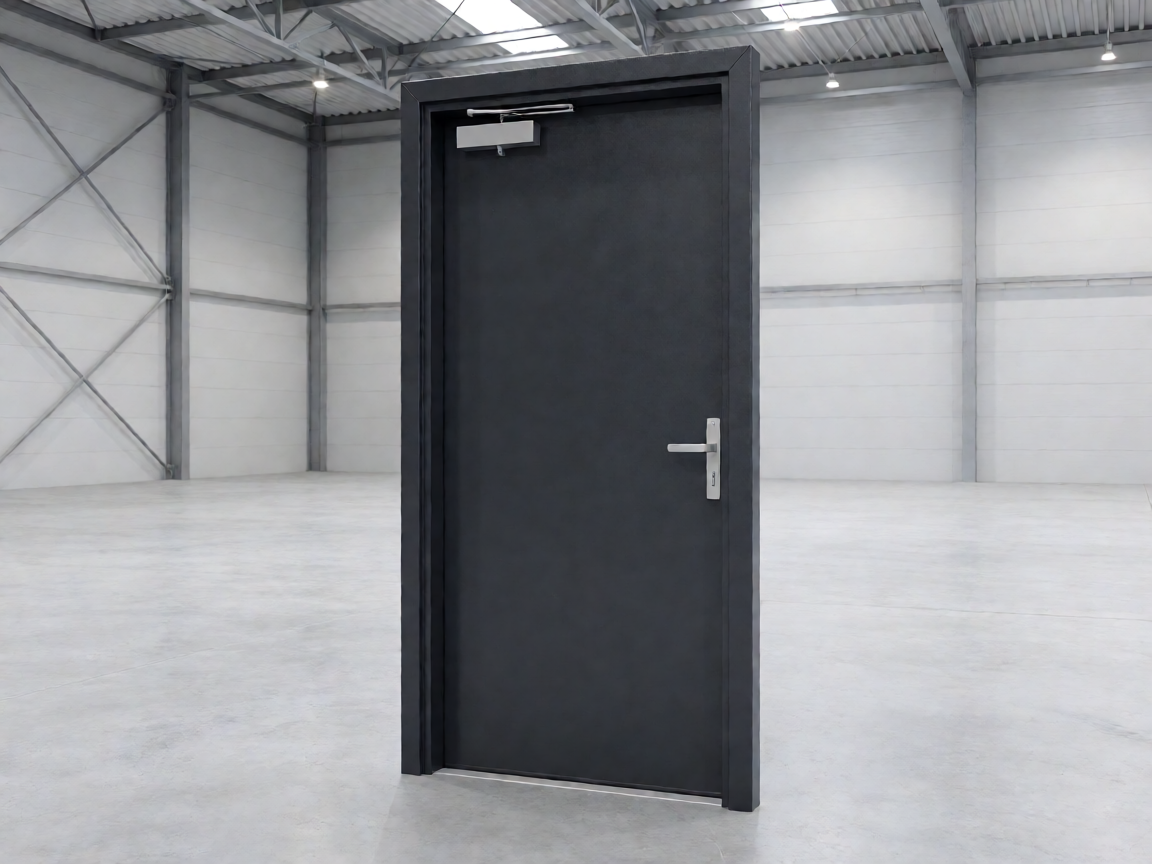
Quarterly checks catch most failures. Confirm the door self-closes and latches fully from a partly open position, inspect intumescent seals and smoke gaskets for tears or paint contamination, and clear the gap between leaf and frame. Lubricate hinges and check for loose screws or worn bearings. Look for rust bloom, bubbling paint, or water staining that hints at a failing weather seal. Never wedge a rated door open, store materials against it, or hang coats on the closer arm.
Annually, test closing force, verify latch engagement, inspect glazing beads and tape, and check the frame anchorage. Any damaged component must be replaced with a listed equivalent. Field trimming, added viewers, letter plates or a replaced non-rated glass pane all compromise the assembly.
Inspection Basics and Record Keeping
Formal inspections are usually annual, performed by a competent person using a written checklist covering labels, clearances, seals, hardware, glazing and signage. Record the date, inspector, findings and corrective actions in a log kept with the building documentation. Deficiencies should be corrected promptly and the repair noted; where a door is modified, re-certification may be required. Documentation is what demonstrates diligence to insurers, building control and future owners.
Conclusion
Fire-rated doors perform only as well as their weakest component. Choose a tested assembly, customise within the listing, install it correctly, and maintain it on a schedule. Simple quarterly checks, an annual inspection and honest record keeping protect the investment and, more importantly, the people behind the door.
Meta description: Fire-rated door maintenance and inspection basics: core materials, frame and leaf specifications, seal checks, hardware testing, and record keeping.
相关推荐