Door Frames: Planning for Lead Times and Delivery
A late door frame does not just delay a door installation. It delays lock-up, insulation, drywall, flooring, painting, and final inspection. For villa owners, home builders, architects, and renovation contractors, this is the most common scheduling risk on an exterior package: the frames are ordered last, produced to custom dimensions, shipped overseas, and installed on the critical path. Security, corrosion resistance, low maintenance, and accurate custom sizing all matter, but none of them matter if the frames arrive after the trades have moved on. This guide explains what drives door frame lead times and how to plan delivery so the sequence works in your favour.
Door Frame Materials and How They Shape Lead Times
Most villa exterior frames fall into three material families, and the choice directly affects procurement time.
- Extruded aluminium (typically 6063-T5): The standard for coastal and high-humidity projects. Available in a wide range of stock profiles, with thermal-break options using polyamide strips. Stock profiles ship fastest; custom profiles require a die, which usually adds four to six weeks before production even begins.
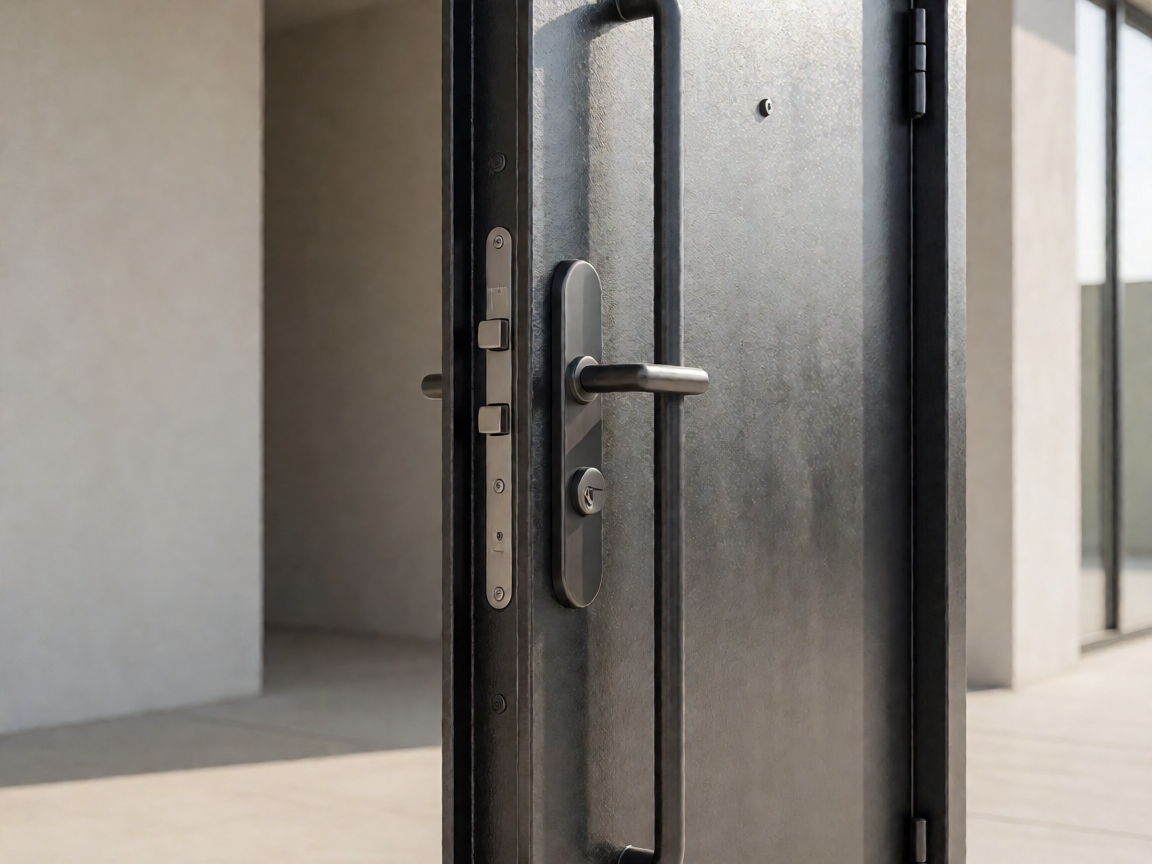
- Hot-dip galvanised steel: Used where structural rigidity or fire rating is the priority. Heavier, requires careful corrosion detailing at cut edges and fixings, and generally has longer fabrication queues than aluminium.
- Cast aluminium components: Decorative frames and surrounds for a cast aluminium villa door are cast rather than extruded, so lead time depends on mould availability. Existing moulds take weeks; new moulds take considerably longer and must be approved before casting.
The practical rule: the more your frame design depends on custom tooling, the earlier it must be released. If your project pairs frames with a custom aluminium courtyard gate, coordinate both orders together — they often use the same finish line and the same coating batch, and splitting them can double the finishing time.
Product Structure and Specifications: Frame Thickness, Plate Thickness, Filling, Glass, and Lock System
Specification decisions are made at design stage but paid for at delivery stage. Each line item below has its own procurement clock.
| Element | Typical range | Lead-time impact |
|---|---|---|
| Frame depth | 70–120 mm for exterior walls | Non-standard depths need new extrusion or machining |
| Plate (wall) thickness | 1.8–2.5 mm aluminium; 1.5–2.0 mm steel | Heavier gauges may require re-quoting and longer fabrication |
| Filling | Aluminium honeycomb filling in leaves; foam or mineral wool in frame cavities | Honeycomb cores are sourced separately and can be a bottleneck |
| Glass | Tempered or laminated, 6–12 mm, insulated units | Glass is usually the longest single item; spliced panels add processing time |
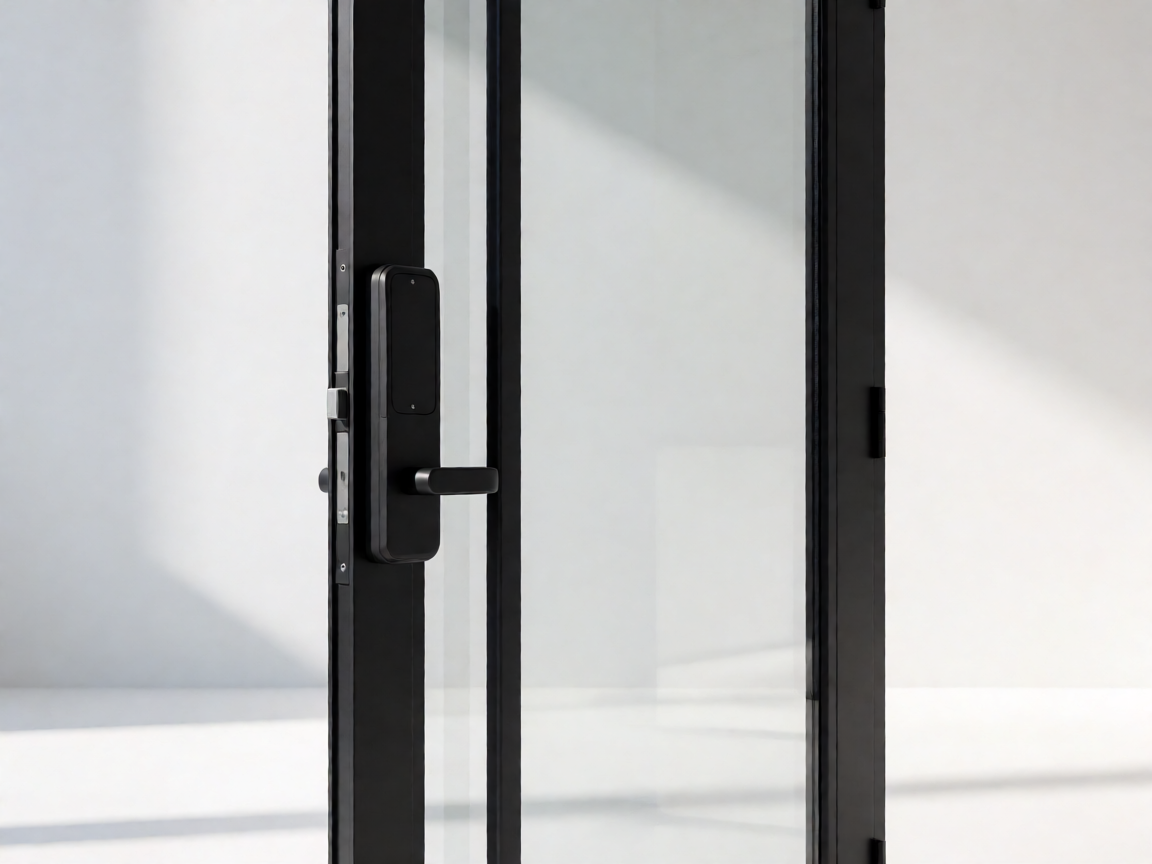
| Lock system | Multi-point mechanical, or a smart fingerprint lock | Electronic hardware is model-specific and often back-ordered |
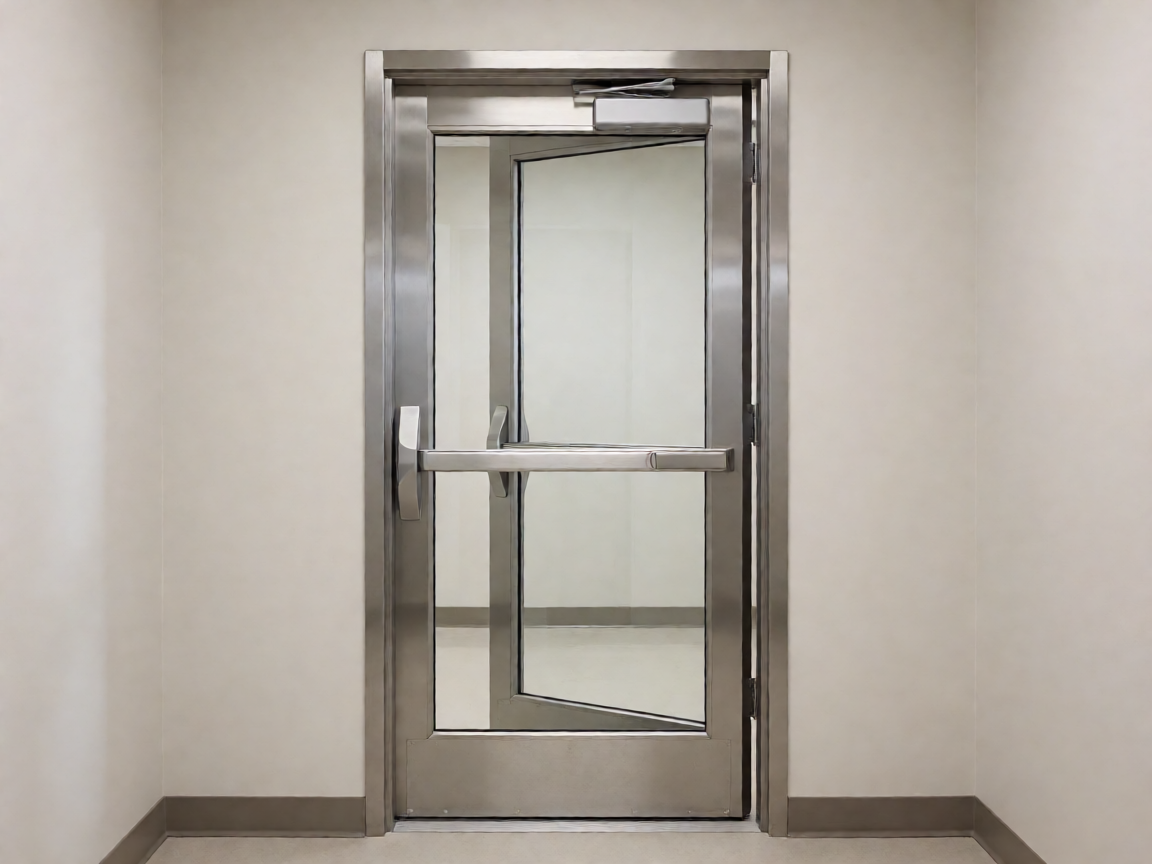
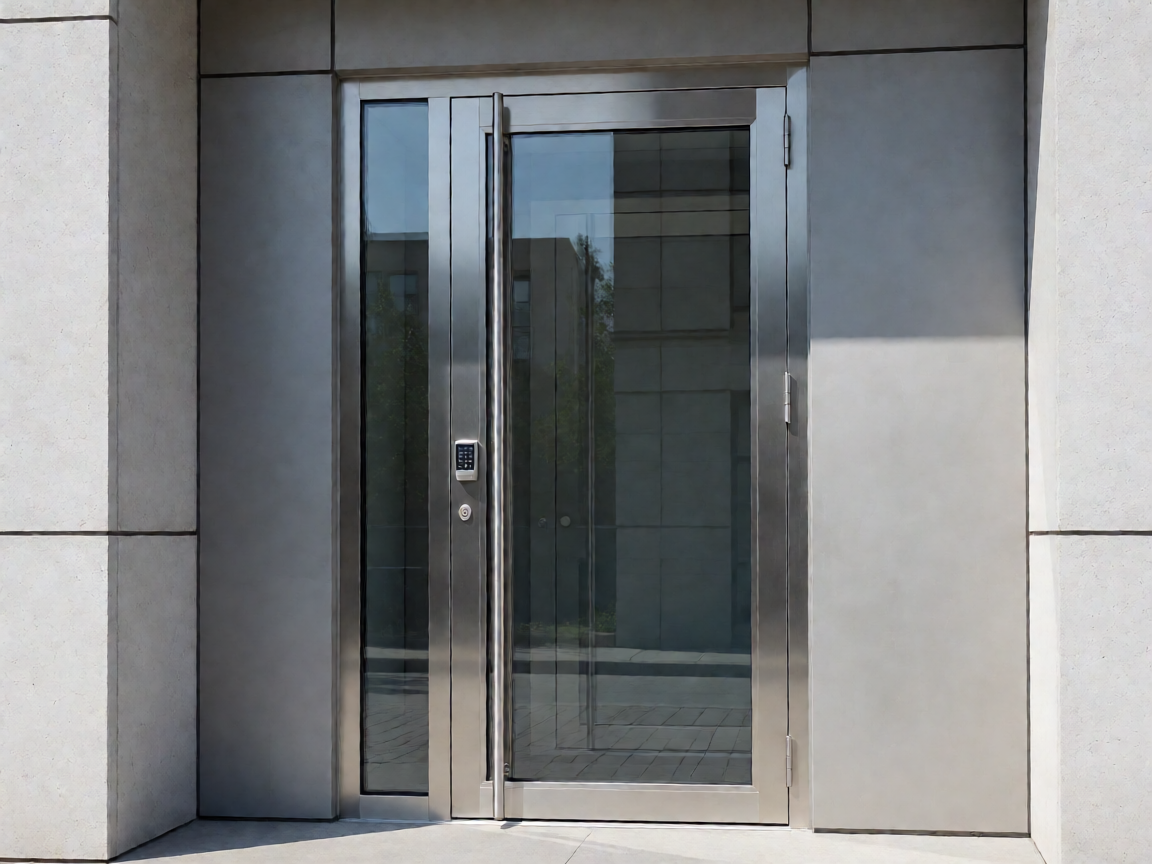
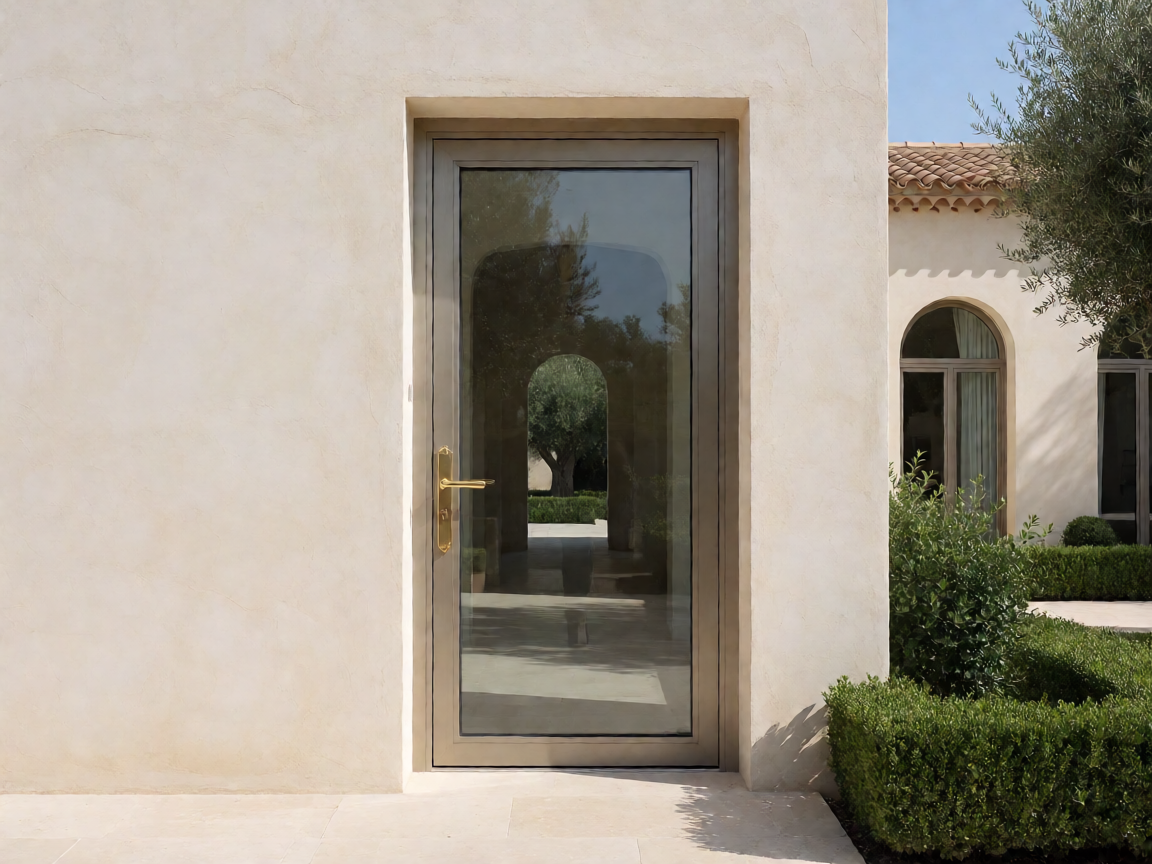
For a glass spliced exterior door, the frame must be engineered around the panel layout, mullion positions, and drainage paths. That engineering review should happen before the order is placed, not after, because a late layout change can restart glass production. The same applies to lock preparation: mortise pockets, cable routing for a smart fingerprint lock, and electric strike provisions must be cut during fabrication.
Key Advantages for Villa Exterior Applications
Well-specified exterior frames deliver benefits that justify planning the schedule around them:
- Security: Reinforced profiles with multi-point locking and steel or aluminium anchor plates resist forced entry far better than light interior frames.
- Corrosion resistance: Powder-coated or anodised aluminium performs well in salt-spray and high-rainfall environments when cut edges and fixings are properly sealed.
- Low maintenance: No repainting cycles, no rust bleed onto render or stone, and simple cleaning with mild detergent.
- Thermal and acoustic performance: Thermal breaks and insulated glass reduce heat transfer and outside noise, which matters for bedrooms and street-facing elevations.
- Design continuity: Matching finishes across entrance frames, courtyard gates, and window surrounds keeps the façade coherent.
Custom Options and Their Effect on Production Scheduling
Almost every villa project is custom, so it helps to know which options are routine and which extend the timeline:
- Finish and colour: Standard RAL powder coats add little time; wood-grain sublimation, dual-colour, and anodised finishes take longer and are often batched.
- Opening direction: Left or right hand, inward or outward, must be confirmed in writing before fabrication. A late change means new hardware preparation.
- Smart lock integration: Confirm the model, power supply, and cable exit position early. Substituting a lock later can invalidate the frame's preparation.
- LED decoration: Requires concealed channels, drivers, and wiring routes designed into the frame or lintel.
- Transom lintel and sidelights: These change the structural load path and must be engineered with the frame, not added on site.
As a general rule, every option confirmed after shop drawing approval adds days, and options confirmed after fabrication adds weeks. Freeze the specification before the production slot opens.
Buying and Selection Tips: Building Lead Time Into Your Project Plan
- Order frames before finishes. Frames are long-lead; flooring, paint, and joinery are short-lead. Sequence accordingly.
- Measure and verify twice. Confirm rough opening dimensions, wall thickness, and reveal details against the approved drawings before release to production.
- Plan realistic durations. Drawing approval takes several days, material procurement one to two weeks (longer for custom dies), fabrication and finishing two to four weeks, and ocean freight including customs three to six weeks.
- Choose the freight mode deliberately. Full-container loads reduce handling damage; LCL shipments save cost but add consolidation and port delays.
- Prepare the site. Confirm access for a delivery vehicle, unloading equipment, and secure storage so frames are not left exposed.
- Keep a contingency buffer. Three to four weeks of float absorbs most documentation and port surprises.
A realistic total for a fully custom villa exterior package is ten to eighteen weeks from order to site. Treat anything shorter as a risk, not a saving.
Conclusion
Door frame lead times are driven by four things: how custom the profile is, how complex the specification is, how quickly drawings are approved, and how the shipment is routed. Decide the material and finish early, lock the specification before fabrication starts, and give freight an honest window. Book an early technical review with your supplier, confirm every dimension and hardware detail in writing, and the frames will arrive when the trades are ready for them — not three weeks after.
相关推荐