Villa Entrance Doors: How the Custom Door Process Works
Villa Entrance Doors: How the Custom Door Process Works
Choosing a villa entrance door involves more than picking a style. Owners, builders, and architects often worry about break-ins, rust in coastal or humid climates, constant repainting, odd-sized openings that standard doors cannot fill, and installation that turns into a months-long problem. This article explains how the custom door process works at ZW Doors, from material selection to final installation, so you can specify or buy with confidence.
Core Material Introduction
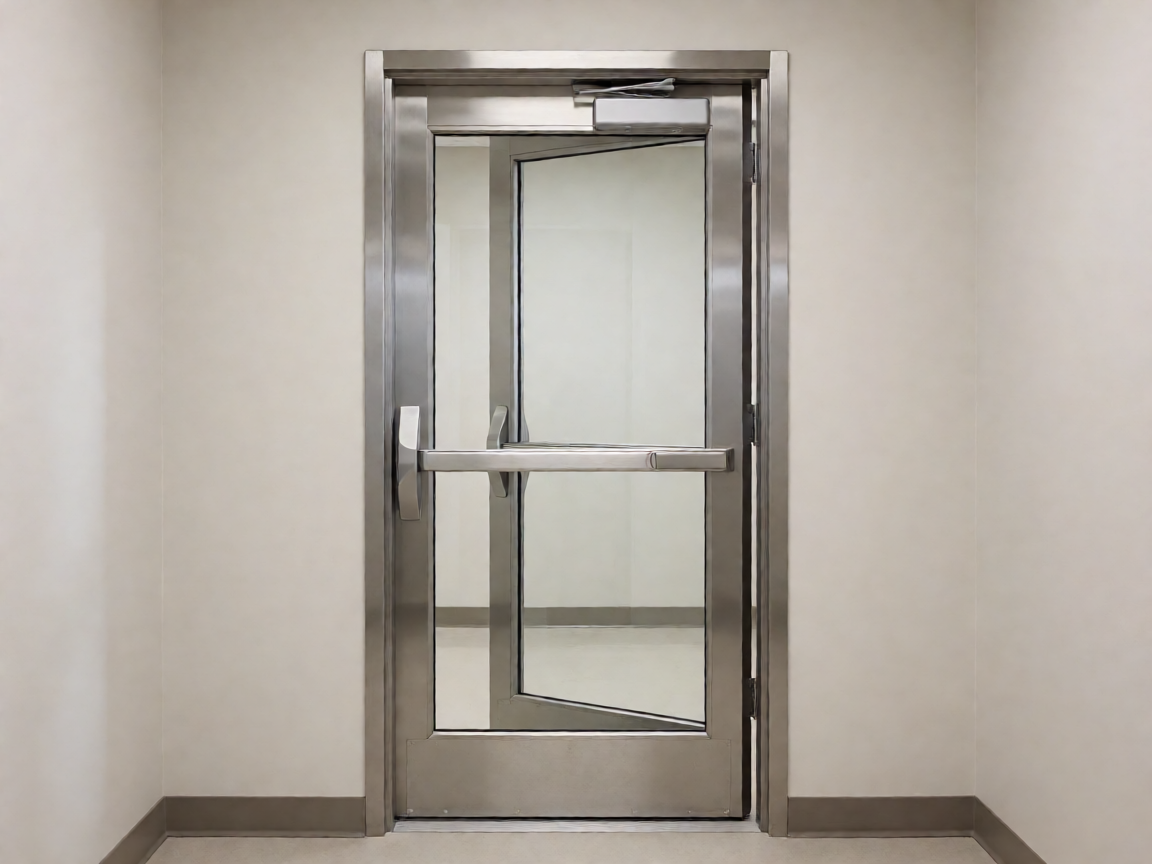
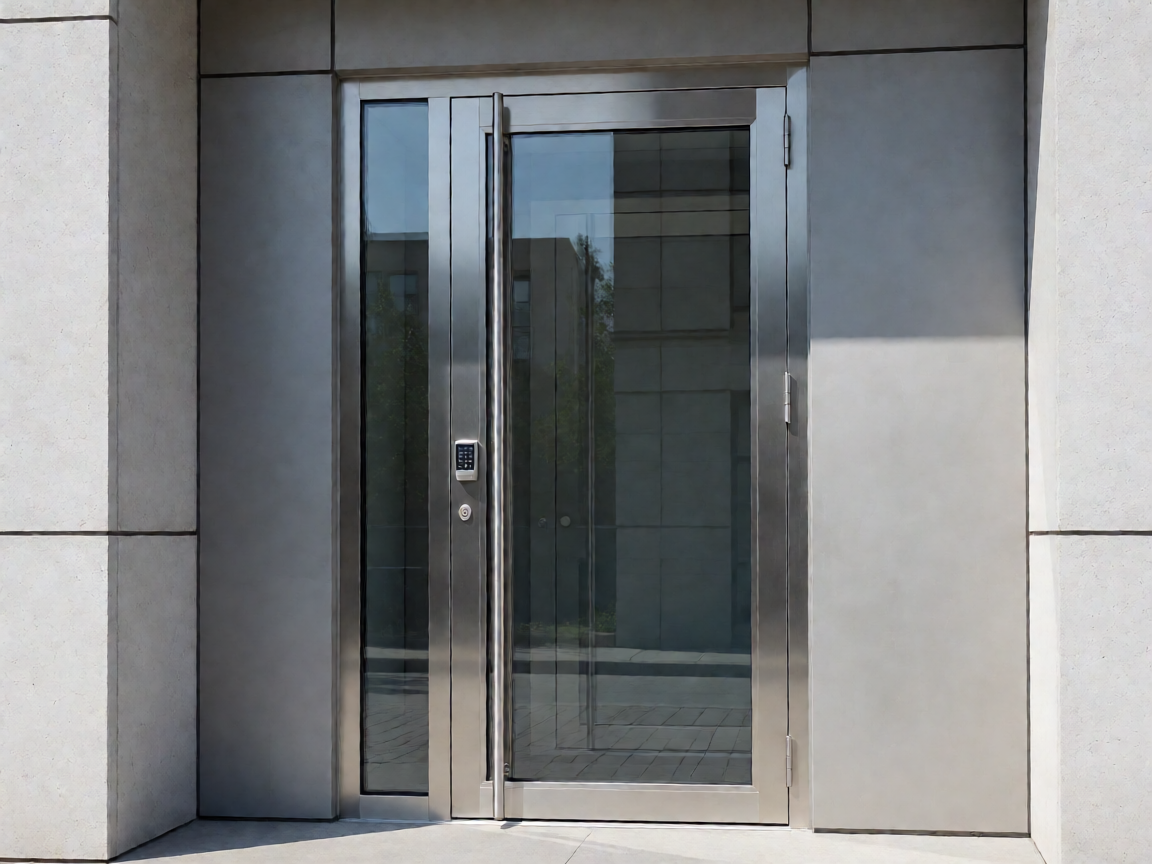
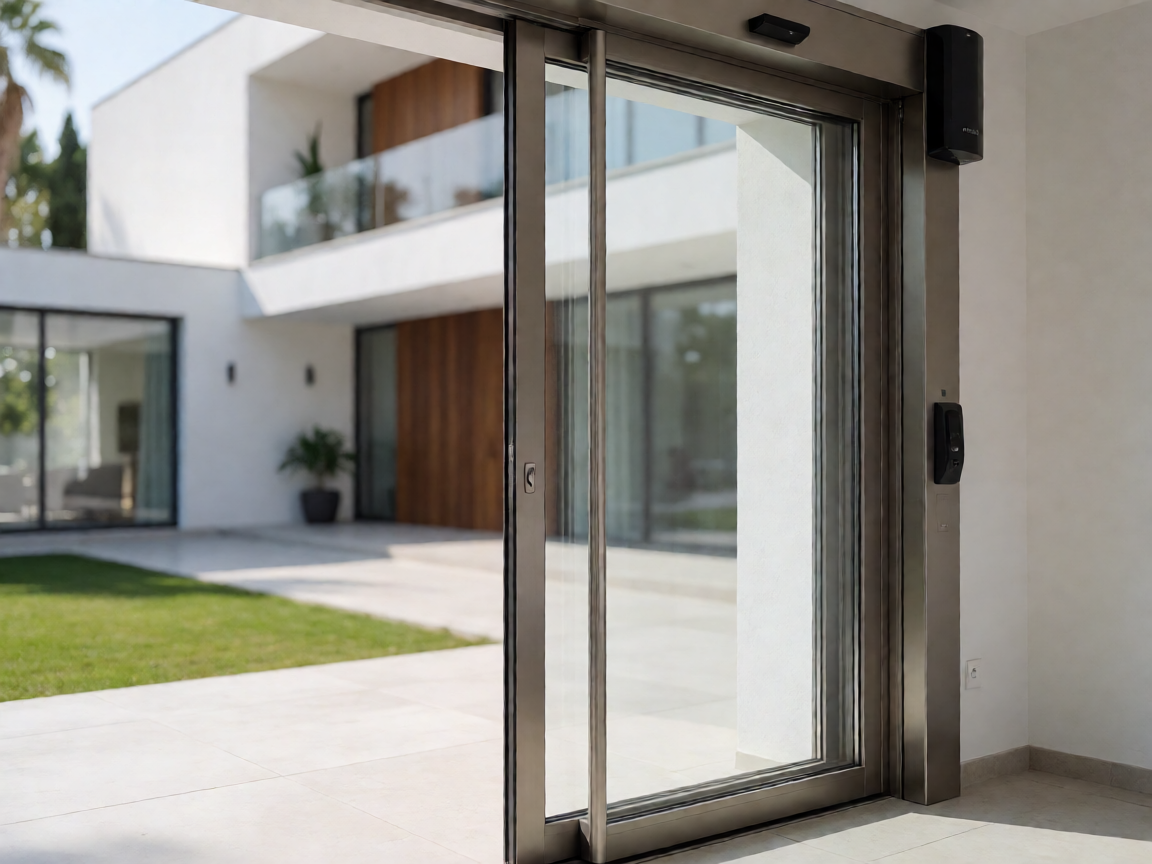
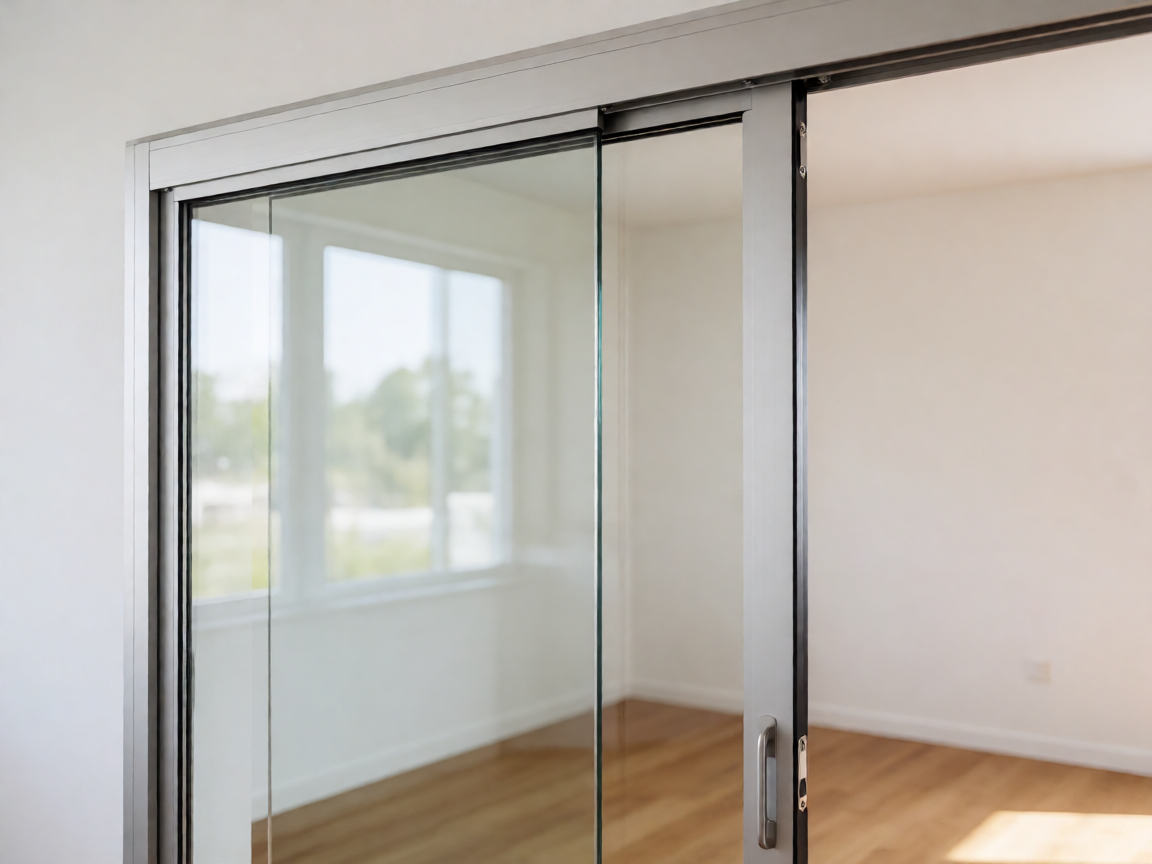
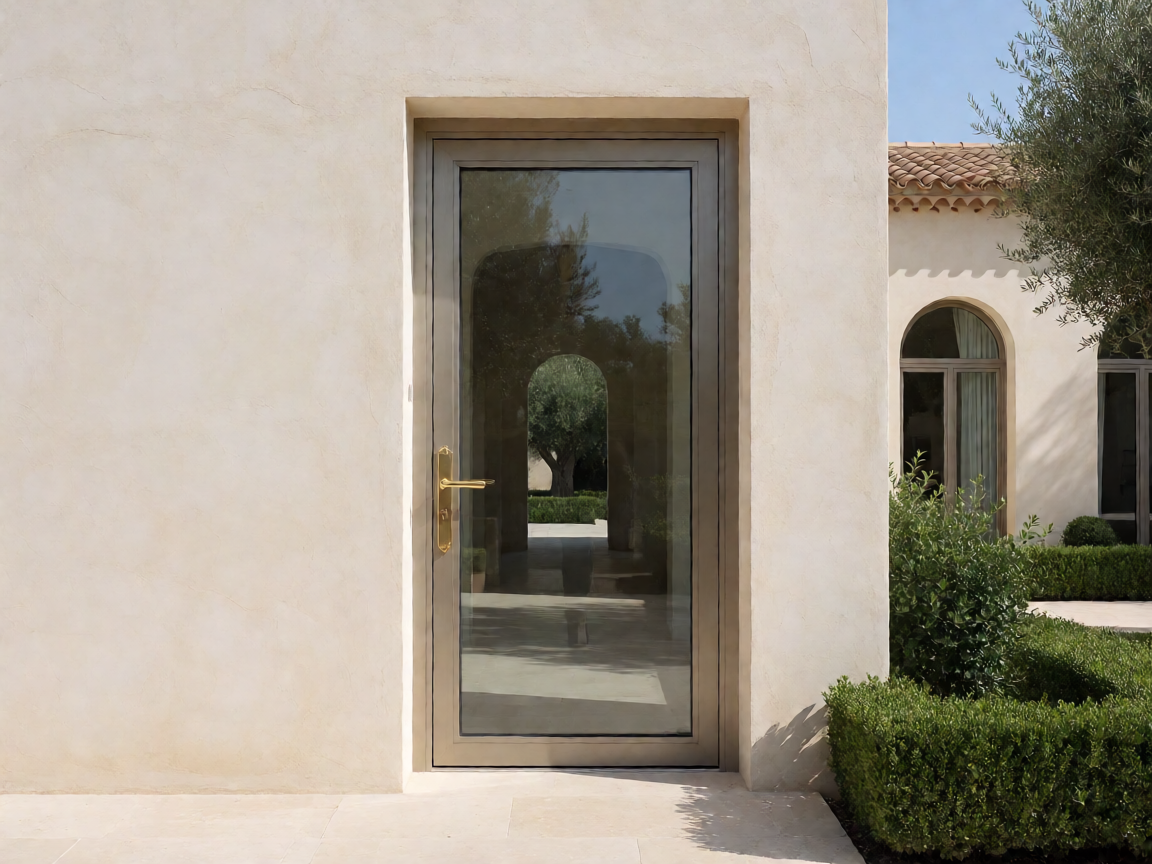
Aluminum is the base material for most modern villa entrance doors. It does not rust like steel, and it will not warp, crack, or need annual sealing like wood. Two common aluminum approaches are extruded aluminum profiles and cast aluminum panels. A custom aluminum courtyard gate often uses extruded profiles because they are strong, straight, and easy to powder coat. A cast aluminum villa door uses cast panels that allow deep relief patterns, scrollwork, and architectural details that extruded profiles cannot reproduce. Both can be combined with glass to create a glass spliced exterior door, where tempered glass panels are set into the aluminum frame. Inside the door leaf, aluminum honeycomb filling provides a lightweight core that resists bending and adds thermal and acoustic insulation. The result is a door that handles weather, security, and daily use without the maintenance cycle of wood or steel.
Product Structure & Specification Explanation
Villa entrance doors are engineered as a system. The main variables are frame thickness, plate thickness, filling, glass, and lock system. Below are typical specifications for custom residential and light commercial applications.
| Parameter | Typical specification |
|---|---|
| Frame thickness | 2.0 mm – 3.0 mm; 3.0 mm+ for large or high-security doors |
| Plate thickness | Door panel 50 mm – 90 mm; aluminum sheet 1.2 mm – 2.0 mm |
| Filling | Aluminum honeycomb, polyurethane foam, or rock wool |
| Glass | Tempered, laminated, double-glazed, low-E; 5 mm – 12 mm per pane |
| Lock system | Multi-point locking, euro cylinder, smart fingerprint lock ready |
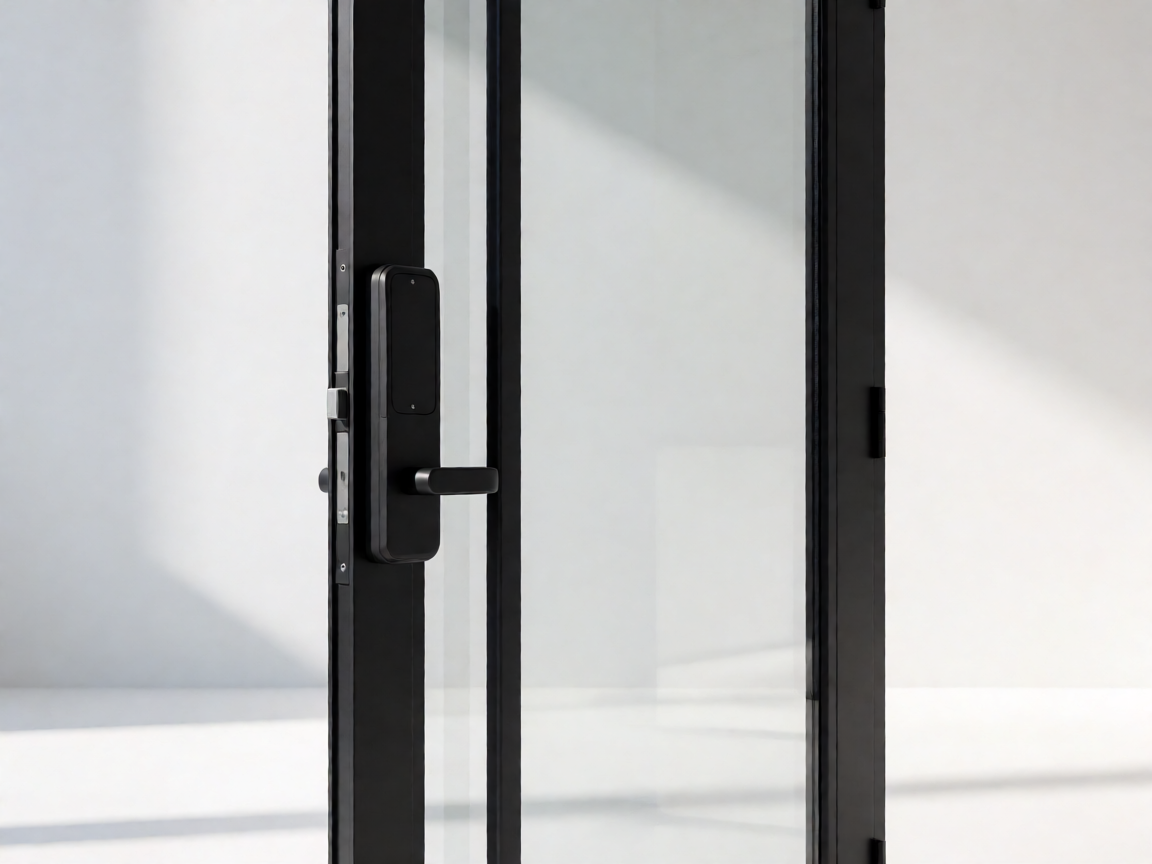
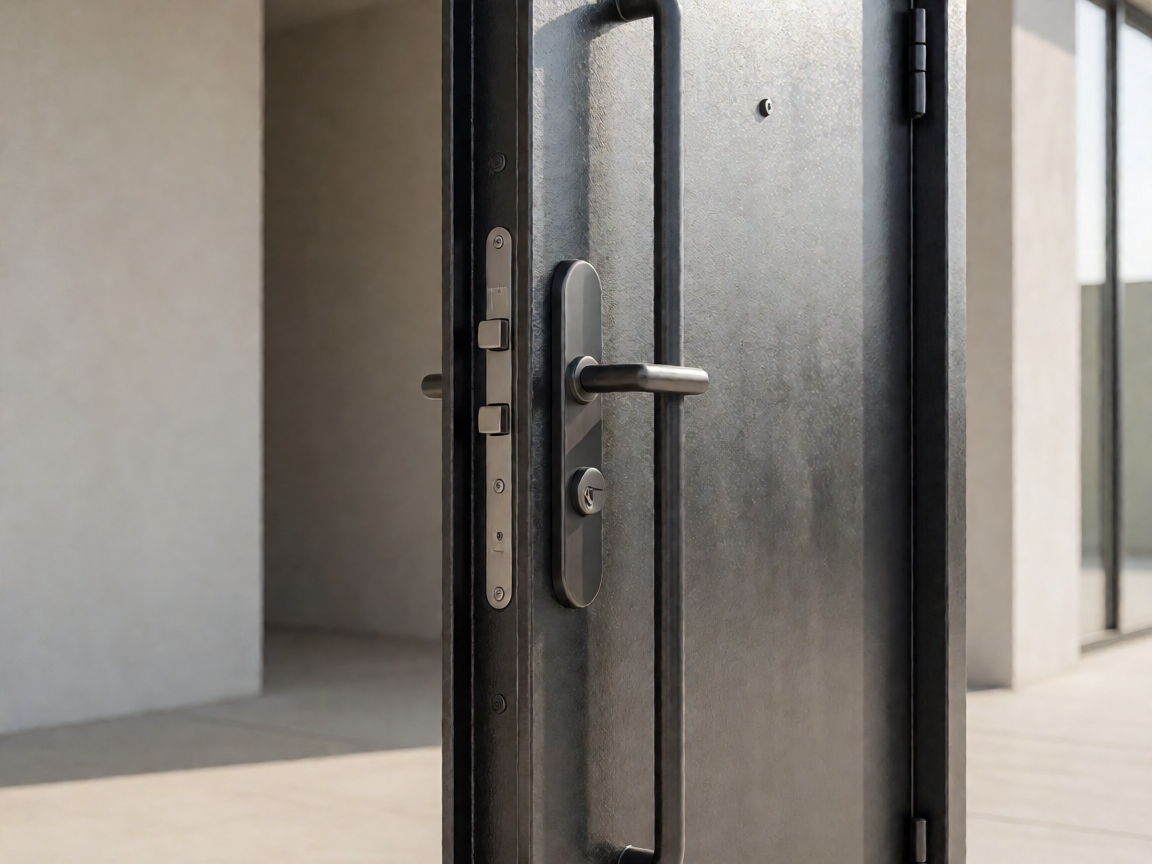
Frame thickness affects rigidity and screw-holding strength. For a wide villa entrance door, 3.0 mm or thicker is common because the door leaf carries more weight. Plate thickness refers to the aluminum sheet on the door face; thicker sheet resists dents and holds decorative profiles better. Aluminum honeycomb filling is the standard core for many custom doors because it is strong, light, and stable. For colder climates, polyurethane foam or rock wool improves thermal performance. Glass choices matter for privacy and safety; a glass spliced exterior door should use tempered or laminated glass. The lock system should be multi-point, with hooks and bolts that engage the frame at several points. If you plan to add a smart fingerprint lock, confirm that the door is prepared with the correct cutout and wiring channel.
Key Advantages for Villa Exterior Applications
Villa exterior doors face wind, rain, salt spray, UV, and temperature swings. Aluminum performs well in all of these conditions. It does not rust, and powder-coated or PVDF finishes resist fading and chalking. Because the material is stable, the door keeps its alignment, so locks continue to engage and seals stay tight. Aluminum honeycomb filling adds stiffness without excessive weight, which reduces strain on hinges and makes the door easier to operate. For security, a properly specified villa entrance door uses a reinforced frame, multi-point locking, and anti-pry edges. For coastal properties, specify a marine-grade finish and stainless-steel hardware. For maintenance, cleaning with mild soap and water is enough; there is no sanding, staining, or painting. These advantages make aluminum a practical choice for custom aluminum courtyard gates, cast aluminum villa doors, and glass spliced exterior doors.
Available Custom Options
Customization is the main reason buyers choose a made-to-order door. Common options include:
- Finish: powder coating, PVDF, anodizing, wood grain, matte or gloss.
- Color: standard RAL colors or custom-matched to your facade.
- Opening direction: left or right inswing, outswing, sliding, or pivot.
- Smart lock: smart fingerprint lock, keypad, card reader, or app-controlled access.
- LED decoration: integrated LED strips in the frame, handle, or threshold for visibility and design.
- Transom lintel: fixed transom, sidelights, or arched top to fill tall openings.
- Glass: clear, frosted, tinted, laminated, or decorative patterns.
- Size: custom width and height to fit the structural opening.
You can also combine features, such as a cast aluminum villa door with a glass spliced exterior door panel and a smart fingerprint lock.
Buying & Selection Tips
Before you order, measure the structural opening, not the old door. Confirm the rough opening, finished floor height, and whether the door will be installed over a subframe. Check the frame thickness and plate thickness against the door size and wind load. Ask what filling is used; aluminum honeycomb filling is a good default, but foam or rock wool may be better for extreme cold. Verify the glass specification and safety ratings. Test the lock system or review its certification. For coastal or high-wind areas, ask about salt-spray testing and anchoring details. Confirm the installation method: subframe type, anchor spacing, sealing, and drainage. Request a finish sample and a written warranty. Finally, plan lead time and shipping; custom doors are built to order, so early coordination with your builder or architect prevents delays.
Conclusion
The custom door process is straightforward when you know what to specify. Start with the material and structure, confirm the frame and plate thickness, choose the filling and glass, and select a lock system that matches your security plan. Then choose finishes, colors, opening direction, and additions such as LED lighting or a transom lintel. ZW Doors supports villa owners, builders, architects, and renovation contractors with made-to-order aluminum entrance doors, including custom aluminum courtyard gates, cast aluminum villa doors, and glass spliced exterior doors. With accurate measurements, clear specifications, and a verified installation plan, your villa entrance will deliver security, weather resistance, and low maintenance for years.
Meta description: Learn how custom villa entrance door process works: materials, structure, specs, advantages, and options like cast aluminum and smart fingerprint locks.
相关推荐