Automatic Doors: Door Specifications Explained
Specifying an exterior door for a villa or residential development usually starts with a photograph and ends with a list of problems. A gate that looked substantial in a showroom can arrive with a frame too thin for a 3.5 m opening, hinges that rust within two coastal seasons, a lock that no home automation system can reach, and a sizing tolerance that leaves the installation crew shimming for two days. Automatic doors add another layer of risk: the drive unit, sensors, and control board must all match the actual leaf weight and the way the door is used every day. This guide breaks down the materials, structure, and specifications behind automatic aluminum doors so that builders, architects, and contractors can compare quotations on equal terms and specify correctly the first time.
Core Materials: Aluminum Alloy, Cast Aluminum, and Why They Matter
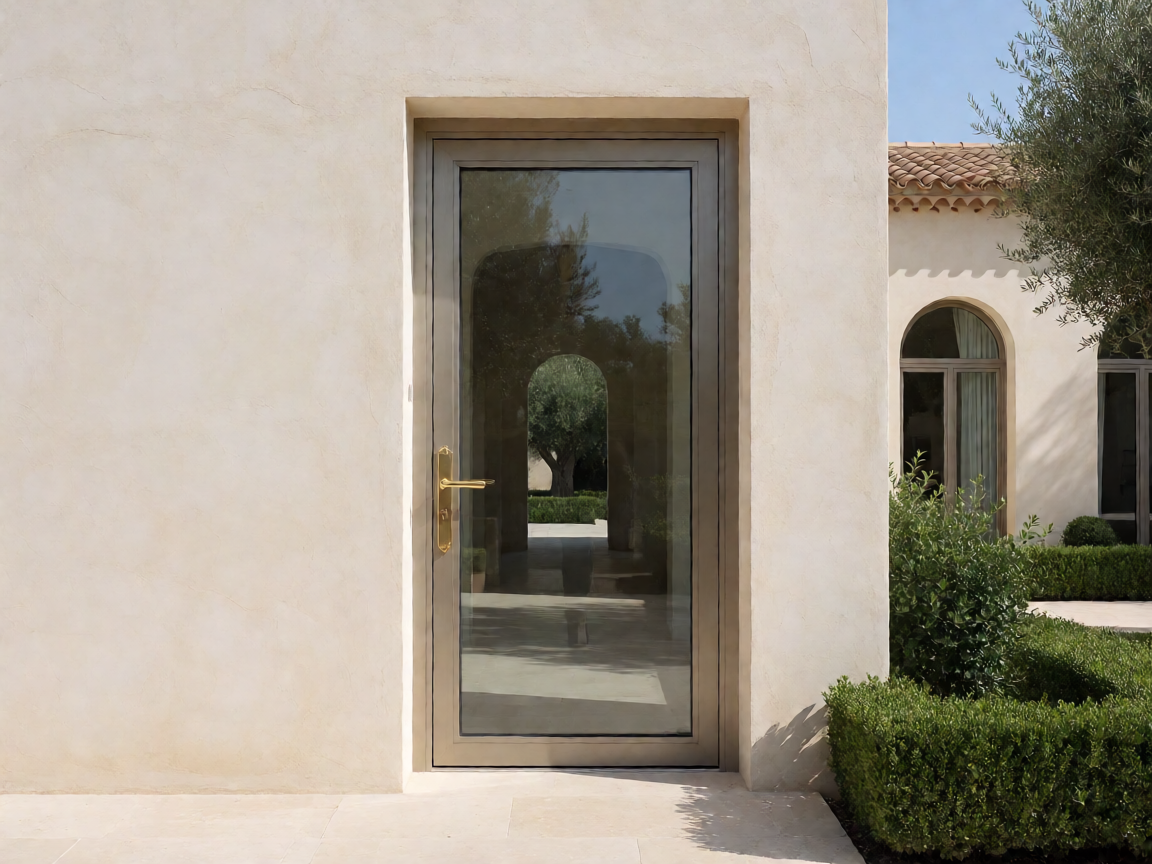
Most automatic exterior doors are produced from 6063-T5 or 6061-T6 aluminum extrusions. These alloys offer a good balance of strength, extrudability, and coating adhesion, and they will not rust the way steel or wrought iron does. For decorative entrances, a cast aluminum villa door uses sand-cast or gravity-cast panels instead of hollow extrusions. Cast panels are typically 8–12 mm thick, carry deeper relief patterns, and hold their shape better across wide openings because they are solid rather than hollow.
The weak point in cheap products is almost never the alloy grade — it is the wall thickness. A frame profile with 1.2 mm walls will flex under wind load and will not carry a heavy automatic leaf reliably. Reputable manufacturers publish wall thickness, coating type, and salt-spray test hours. Powder coating at 60–80 µm and 1,000-hour salt-spray results are reasonable benchmarks for coastal projects.
Product Structure and Specification Breakdown
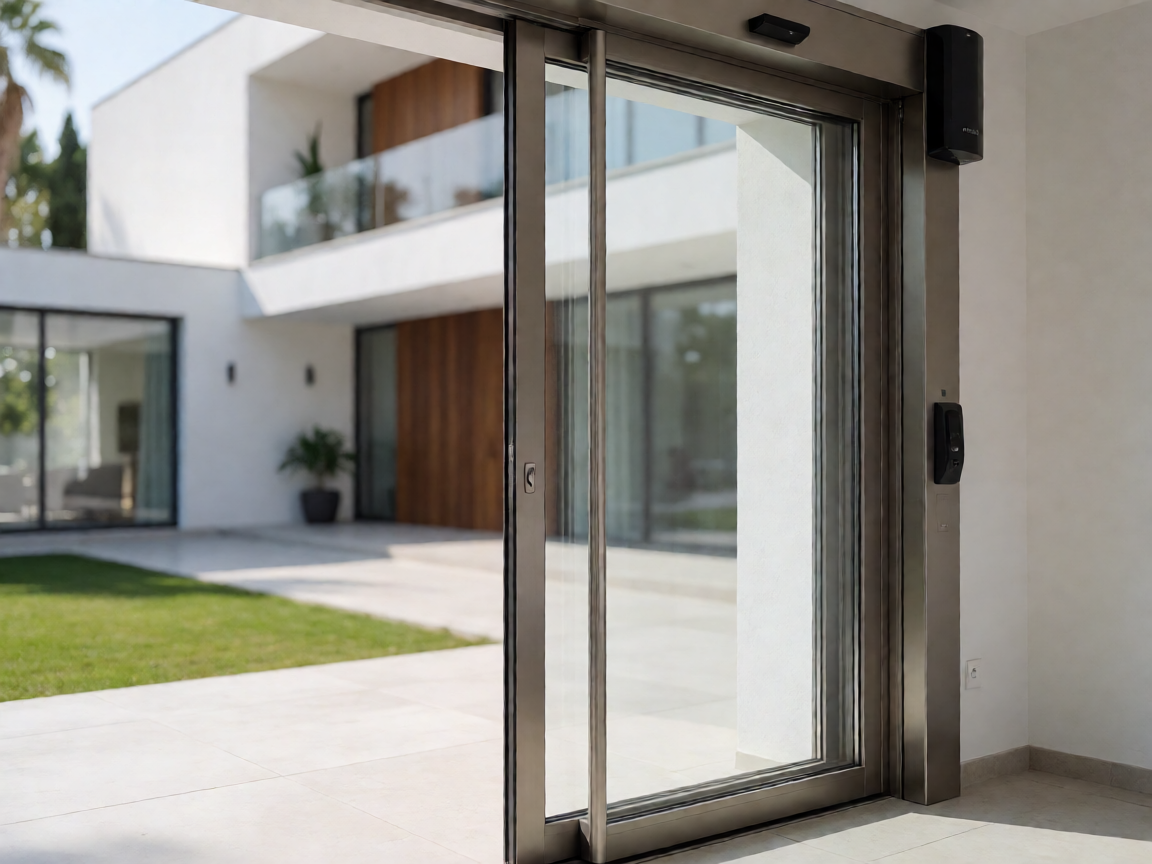
When you review a custom aluminum courtyard gate or an automatic pedestrian door, ask for a section drawing. The following components determine performance far more than the finish does.
| Component | Typical specification | What to verify |
|---|---|---|
| Frame wall thickness | 2.0–3.0 mm (pedestrian), 3.0–4.0 mm (driveway) | Consistent thickness over the full length, not only at joints |
| Door plate | 8–12 mm cast aluminum, or 1.5–2.0 mm extrusion | Uniform thickness, no filler or foam substitute |
| Core filling | Aluminum honeycomb, 10–20 mm | Fully bonded core; listen for loose material |
| Glazing | 6+6 mm laminated tempered glass | Mullion alignment and drainage in glass openings |
| Lock | Smart fingerprint lock with mechanical override | Fail-safe or fail-secure logic, battery backup |
| Drive unit | 24 V DC motor, 20–30% torque margin | Duty cycle rating and safety sensor compliance |
Aluminum honeycomb filling is worth understanding before you approve a sample. A honeycomb core bonded between two aluminum skins creates a stiff, flat panel at low weight — important when a single leaf already weighs 80–150 kg and the motor must move it thousands of times. It also reduces drumming noise and resists the small dents that hollow panels collect over years of use.
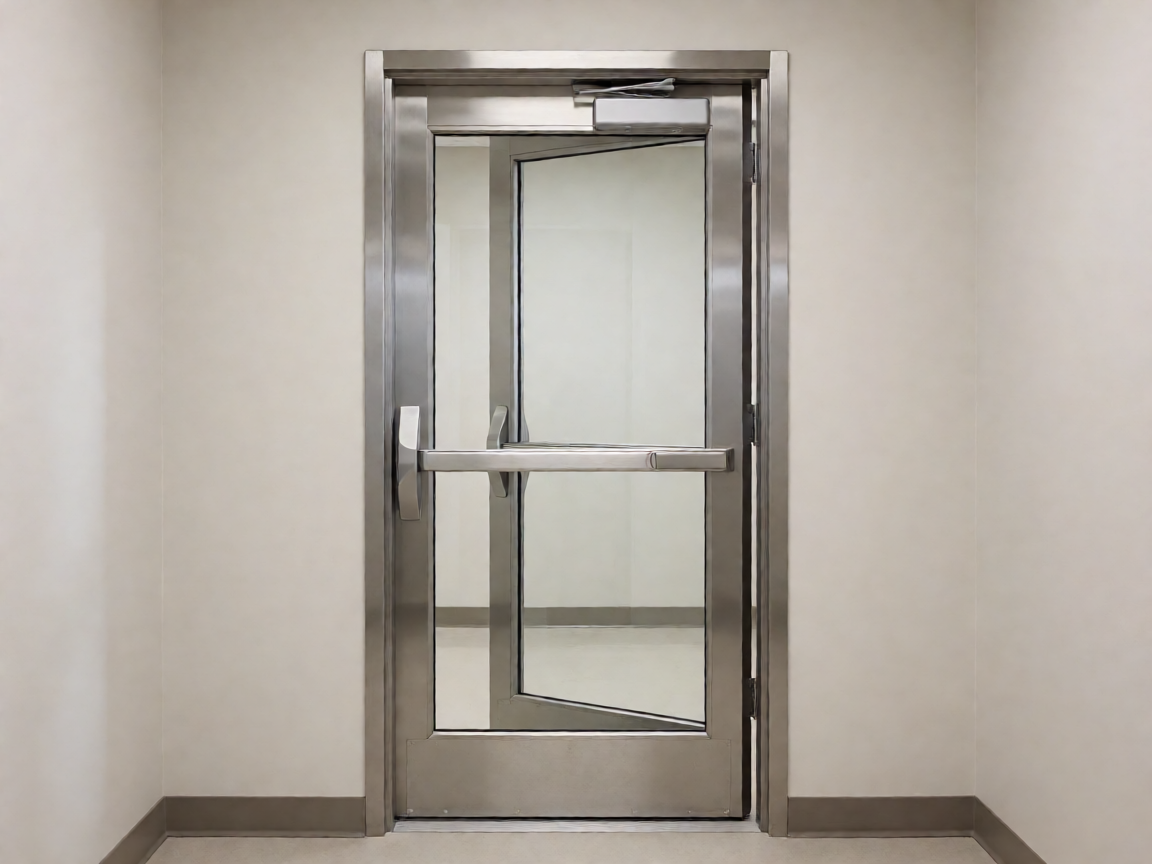
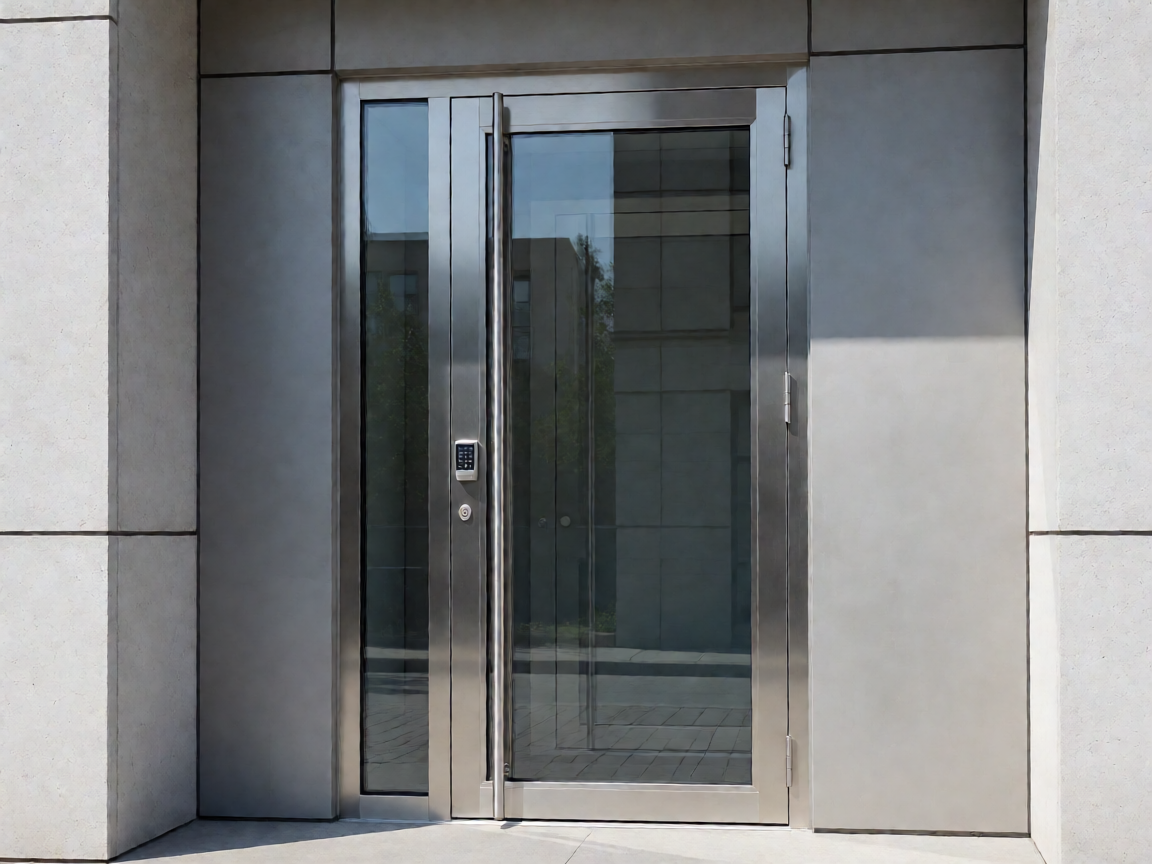
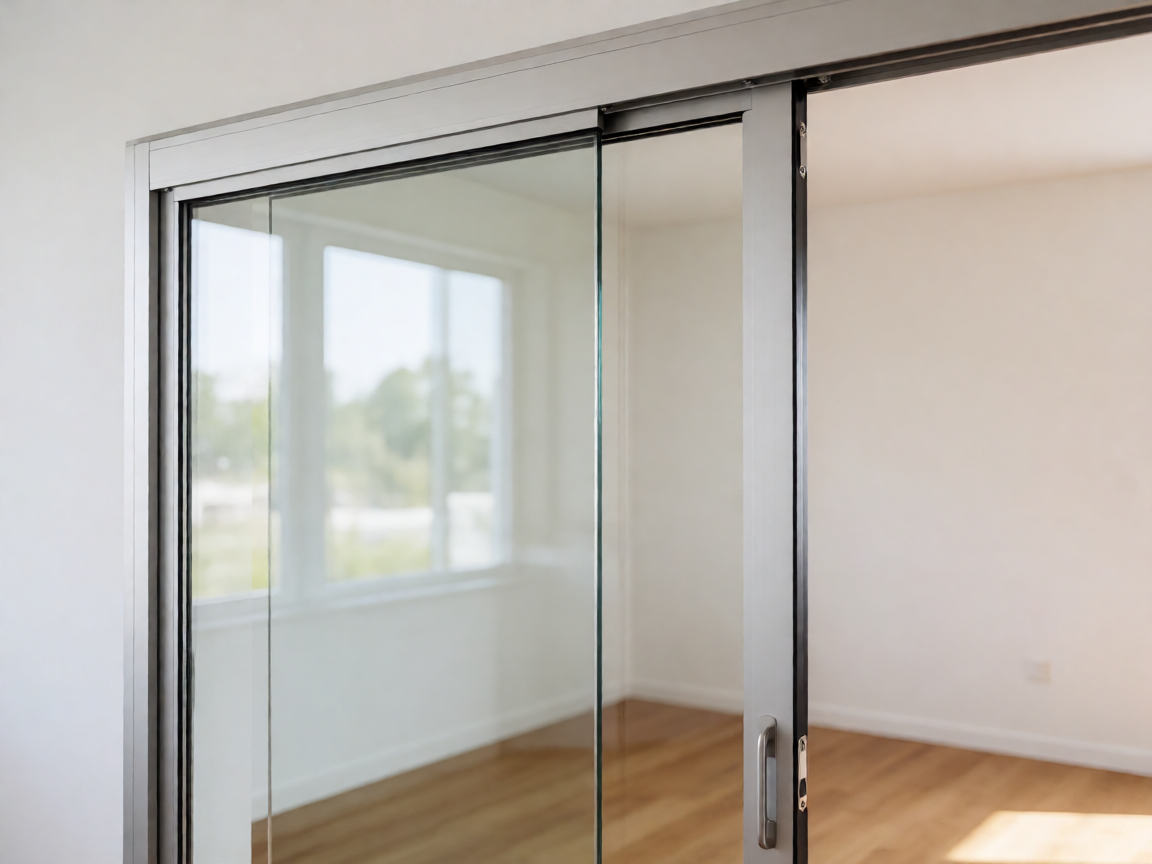
A glass spliced exterior door combines aluminum framing with large glazed sections divided by narrow mullions. Specify laminated tempered glass for street-facing entrances, confirm that each glazed opening drains correctly, and check whether the spliced joints are mechanically fixed or only sealed with adhesive.
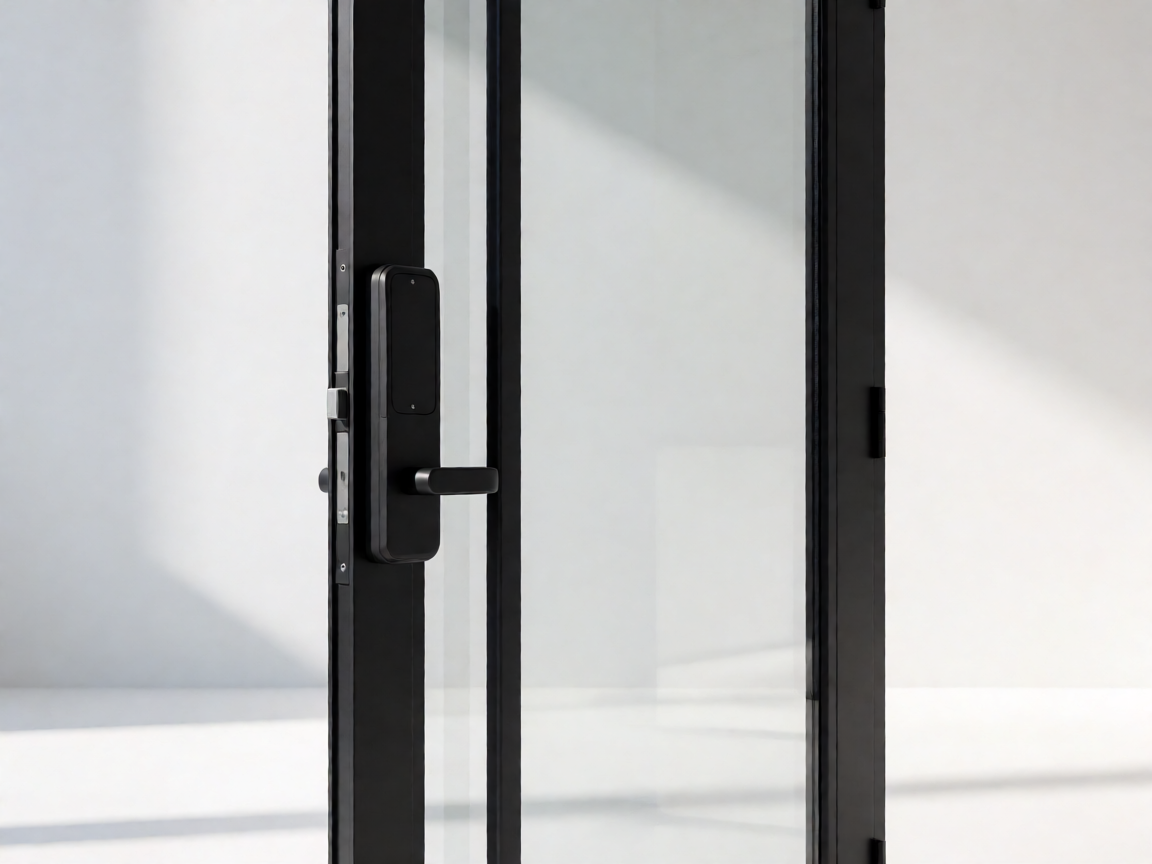
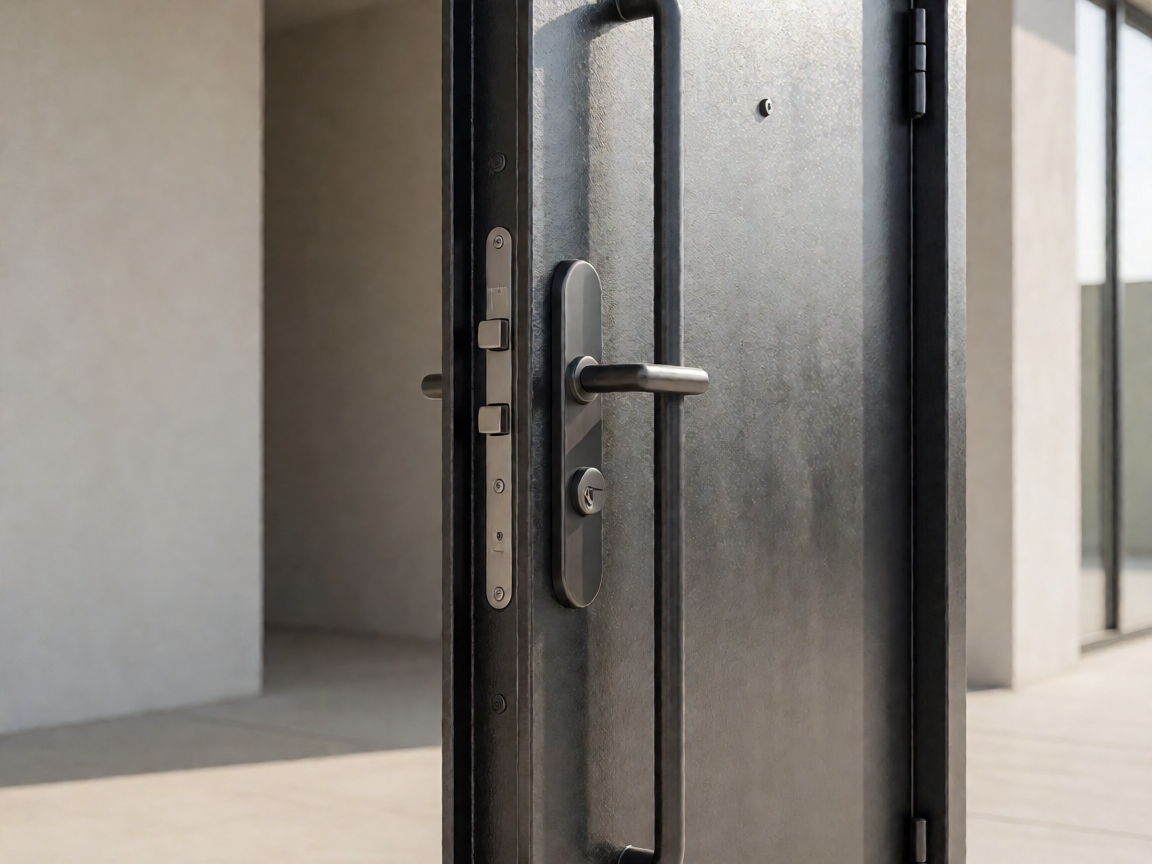
Lock and access hardware should be selected together with the automation. A smart fingerprint lock with keypad, app, and mechanical key backup works well on pedestrian leaves, while driveway gates usually need an intercom, loop detector, or remote paired with a fail-safe electric strike so the door releases during a power failure.
Key Advantages for Villa Exterior Applications
- Corrosion resistance: Aluminum with a properly cured coating outperforms painted steel in coastal and high-humidity climates, where rust is the primary cause of premature replacement.
- Low maintenance: Periodic cleaning and annual hardware inspection are usually sufficient. No repainting, no rust treatment, no welding repairs.
- Security integration: Rigid frames and solid panels resist leverage attacks, and electronic locking can be tied into cameras, alarms, and access logs.
- Weight control: Honeycomb-filled and cast constructions deliver rigidity without the weight penalty that shortens motor life.
- Design continuity: The same profile system can be used for gates, side doors, and glazed screens, giving a coherent facade across an entire project.
Available Custom Options
- Finish: polyester powder coating, anodizing, fluorocarbon coating, or wood-grain sublimation for a timber look with aluminum durability.
- Color: RAL-matched or custom shades, with dual-color options (different interior and exterior faces).
- Opening direction: left or right hand, inward or outward swing, sliding, or bi-fold, depending on clearance and driveway layout.
- Smart lock: fingerprint, PIN code, RFID card, mobile app, and remote release, with audit trail where required.
- LED decoration: low-voltage strip lighting in the frame or handle, specified to an appropriate IP rating for outdoor use.
- Transom lintel: a fixed transom panel above the door to fill tall openings, available in glass or aluminum infill and often used to bring an oversized entrance down to a standard leaf height.
Buying and Selection Tips
- Measure the clear opening and the structural opening separately. Automatic doors need space for the frame, hinges, and swing or slide clearance.
- Match the motor to the leaf weight with at least a 20–30% margin. An undersized operator is the most common cause of callbacks.
- Request section drawings, glass build-up, coating thickness, and salt-spray test data in writing before ordering.
- Confirm safety compliance for pedestrian automation and check whether sensors, photocells, and emergency release are included in the price.
- Plan power and conduit runs before walls are closed. Retrofitting a 24 V supply and control cable into a finished stone pier is expensive.
- Clarify warranty terms separately for coating, hardware, electronics, and the drive unit — they rarely carry the same duration.
- Ask about spare parts availability and lead times for replacement handles, locks, and control boards.
Conclusion
Automatic exterior doors perform well or fail early because of specifications, not styling. Frame wall thickness, plate construction, honeycomb filling, glazing details, and a correctly sized lock and drive system decide whether the door still operates smoothly after five years of daily use. Get those numbers in writing, verify them against a section drawing, and the finish and customization you choose will simply be the visible layer on a product that is built to last.
Meta description: Automatic door specifications explained: frame thickness, aluminum honeycomb filling, glass splicing and smart lock options for villa exterior doors.
相关推荐