The Complete Guide to Buying an Entry Door: Everything You Need to Know
For B2B buyers, architectural designers, general contractors, villa developers, and property management firms, selecting the right entry door is far more than a cosmetic decision. As the primary access point to a building, an entry door directly influences security, energy efficiency, curb appeal, and long-term maintenance costs. In commercial and high-end residential projects, doors must also comply with local building codes, fire safety regulations, and accessibility standards. Given the volume and sophistication of modern construction projects, sourcing doors from a reliable factory partner is critical. This guide walks you through the essential technical, material, and procurement considerations to help your business make informed, cost-effective entry door decisions in 2025.
1. Why the Entry Door Is a Critical Building Component
The entry door occupies a unique position in the building envelope. Unlike interior doors, it is exposed to outdoor elements—rain, UV radiation, temperature fluctuations, wind loads, and potential forced entry attempts. Studies from the U.S. Department of Energy indicate that a poorly insulated entry door can account for up to 10% of a building's thermal energy loss. Meanwhile, the International Association of Certified Home Inspectors notes that over 65% of residential burglaries involve the front door as the point of entry. For architects and contractors, this means balancing multiple performance criteria: thermal efficiency, structural rigidity, security ratings, and visual continuity with the building facade. For property managers, the door's durability over decades of daily use is equally important, as premature failures lead to replacement costs and tenant dissatisfaction.
2. Core Material Comparison: Steel, Wood, Fiberglass, and Aluminum
The material composition of an entry door determines nearly every other performance factor. Below is a practical comparison for professional decision-makers:
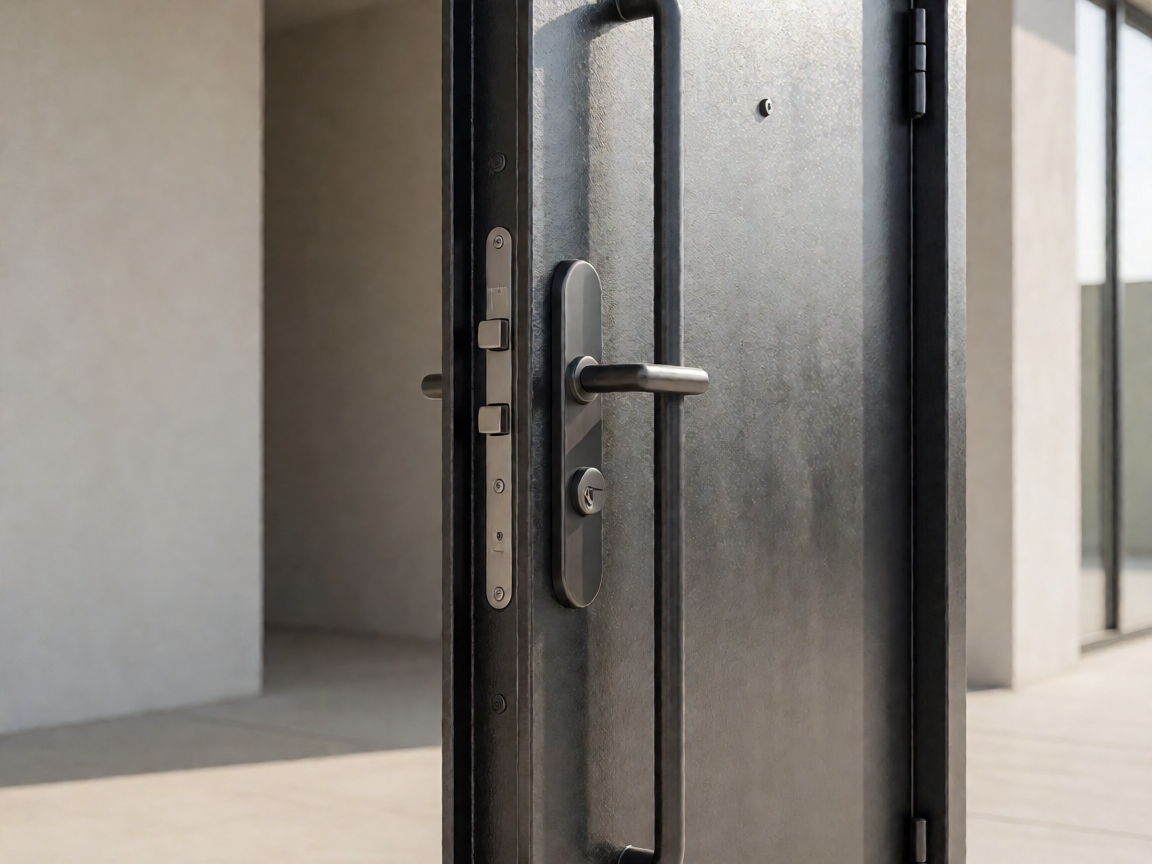
Steel doors: Typically constructed with a galvanized steel skin over a polyurethane or polystyrene core. Steel offers the highest strength-to-thickness ratio, making it inherently resistant to forced entry. It performs well in fire-rated applications (up to 90 minutes) and is one of the most cost-effective solutions for large-scale residential projects. However, steel doors can dent on impact, and if the protective coating is scratched, corrosion may develop in coastal or high-humidity environments.
Wood doors: Solid wood and engineered wood doors remain the top choice for luxury villa projects and historically sensitive renovations. Species such as mahogany, oak, and teak provide excellent natural aesthetics and can be custom-carved with panels, arches, and sidelights. The trade-off is maintenance: wood requires periodic sealing, staining, or painting, and is dimensionally sensitive to humidity. Engineered wood options, such as laminated veneer lumber (LVL) cores with veneer faces, improve stability while retaining the authentic appearance.
Fiberglass doors: A composite of glass fibers and resin, fiberglass doors simulate the look of wood grain while outperforming it in durability. They do not dent, warp, or rot, and they offer superior thermal insulation when paired with polyurethane cores. For extreme climates—from desert heat to freezing winters—fiberglass is a highly stable choice. Its initial cost is higher than steel but lower than premium solid wood.
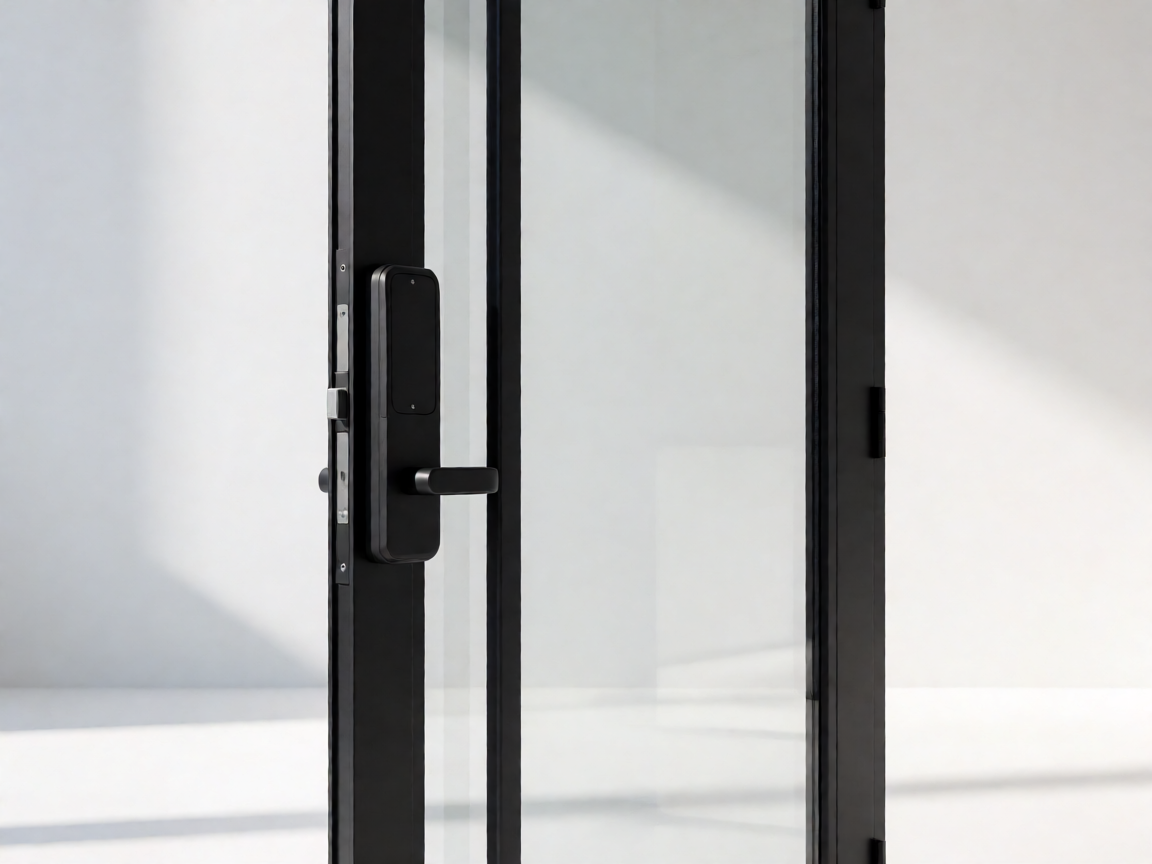
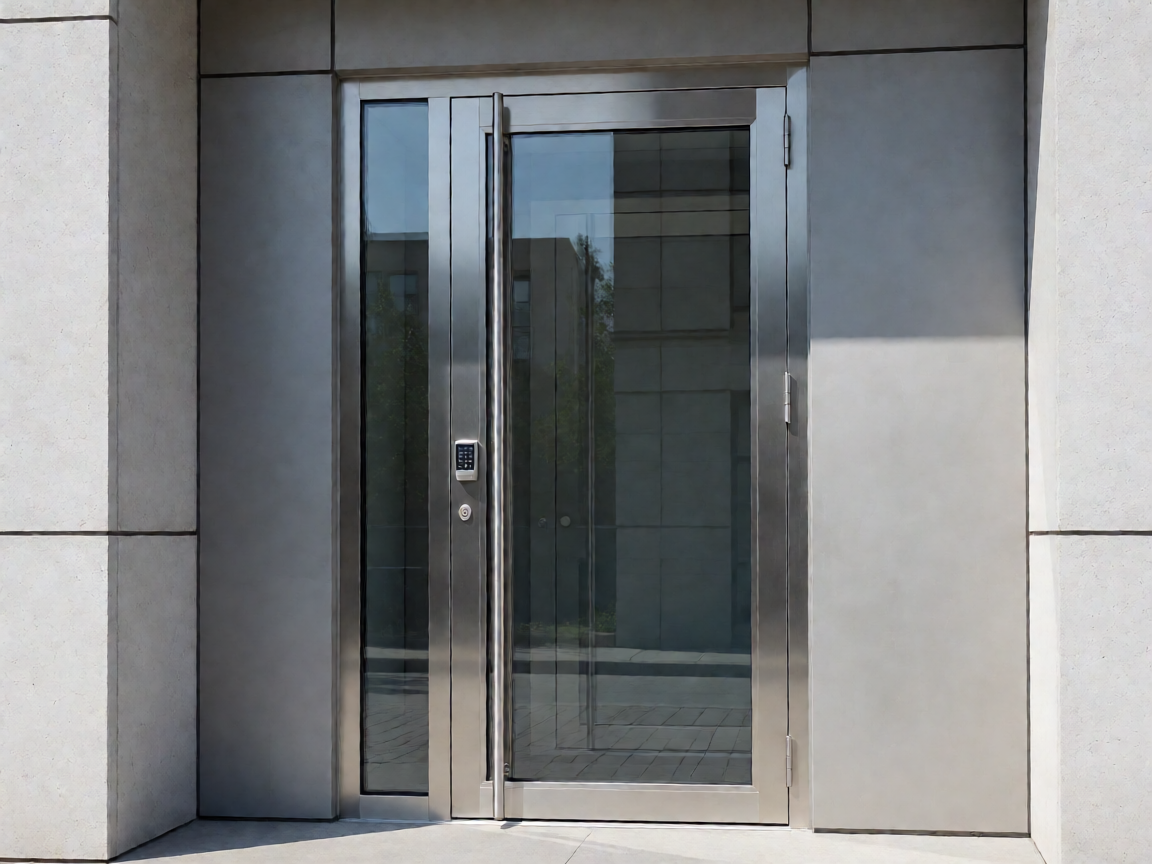
Aluminum doors: Primarily used in commercial and modern-contemporary residential projects, aluminum entry doors offer slim sightlines, high structural strength, and excellent corrosion resistance. They are lightweight, easy to fabricate into large formats, and integrate well with aluminum curtain wall systems. Thermal break technology has significantly improved aluminum's insulation values. The aesthetic is unmistakably modern, but aluminum is not always appropriate for traditional or rustic architectural styles.
From a factory sourcing perspective, the choice of material affects production lead times, minimum order quantities, and tolerance requirements. For example, custom wood doors generally require a longer lead time (4–8 weeks) than standardized steel doors (2–4 weeks). Buyers should request detailed material specifications, including core density, skin gauge (for steel), and finish application methods (PVDF coating, powder coating, or wood veneer).
3. Security Ratings and Hardware Integration
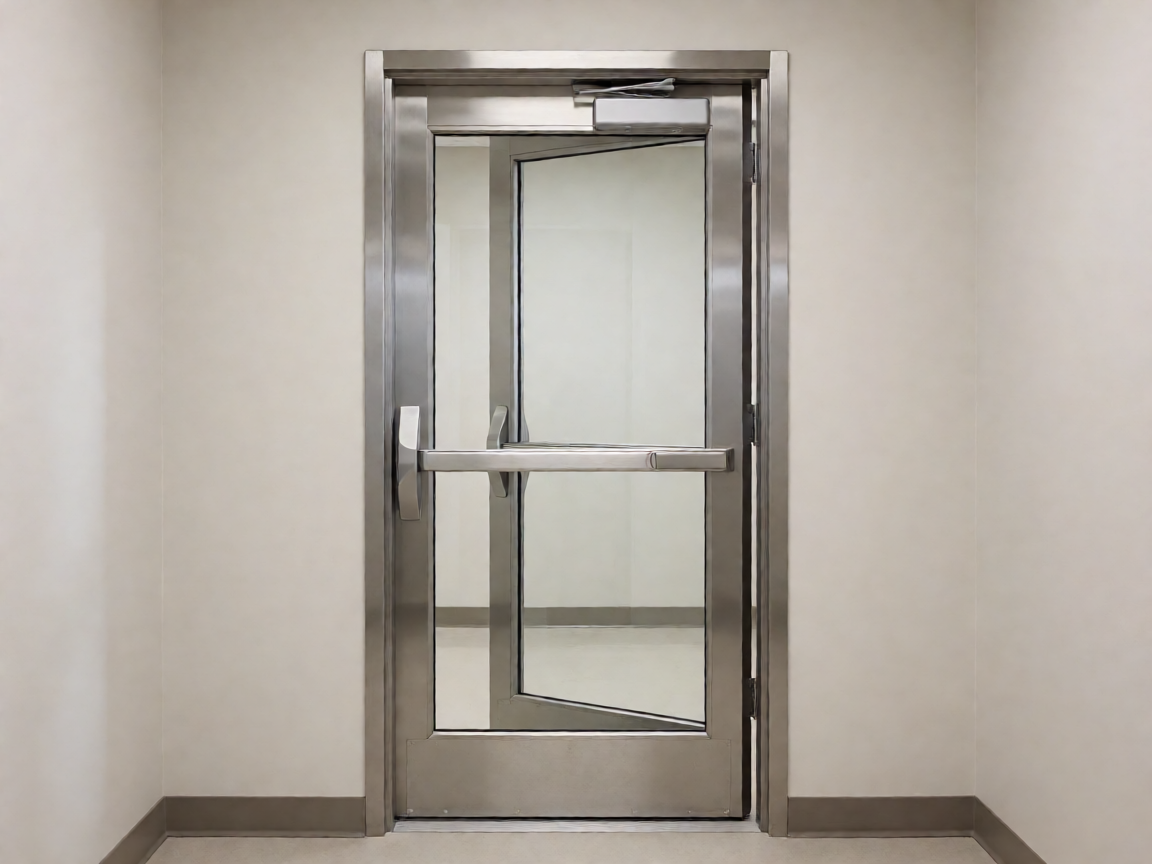
Entry doors in commercial and residential projects must meet specific security performance levels. Multi-point locking systems, reinforced hinge side frames, and anti-pry plates are now standard in high-end specifications. The following security features should be verified before purchase:
Multi-point locks: These locks secure the door at several points along the frame (top, bottom, and center), distributing force and resisting leverage attacks. Look for products that comply with EN 12209 or ANSI/BHMA Grade 1 standards.
Door core reinforcement: A metal reinforcement plate at the lock and hinge locations prevents bolt-through attacks. High-security door systems often use a continuous steel interlock system along the entire height of the door.
Hinges and strike plates: Heavy-duty ball-bearing hinges with steel strike plates (at least 3 mm thick) are essential. For public-access buildings, consider concealed or tamper-resistant hinges.
Glass and glazing**: If the door includes sidelights or a transom, the glazing must be laminated safety glass (at least 6.38 mm) or security glass to prevent easy break-and-enter. The frame must be designed to hold the glass securely under forced impact.
For B2B buyers, it is advisable to request third-party test reports (e.g., UL 752 bullet resistance or EN 1627 for burglary resistance) rather than relying solely on the manufacturer's in-house claims. A factory that regularly supplies security-certified doors will have no difficulty sharing these documents.
4. Thermal Performance and Energy Efficiency
Energy efficiency is a growing requirement in most global markets, driven by stricter building codes such as the European Energy Performance of Buildings Directive (EPBD) and the U.S. ENERGY STAR program. When evaluating an entry door, pay attention to the U-value (thermal transmittance), which measures how much heat passes through the door. Lower U-values mean better insulation. High-performing entry doors today achieve U-values in the range of 0.8 to 1.5 W/(m²·K), depending on climate zone and door material.
Key insulation components to verify with the manufacturer:
Core material: Polyurethane foam (PU) has a lower thermal conductivity than polystyrene (EPS). A PU core of 40–60 mm density provides superior insulation for steel and fiberglass doors.
Thermal breaks: For aluminum frames, the thermal break must be at least 24 mm wide and constructed from polyamide strips to stop heat transfer through the metal.
Wet-seal versus dry-glaze: A wet-seal (silicone gasket) around the glass and door panel prevents air infiltration. Verify the gasket's EPDM or silicone quality—rubber gaskets degrade quickly under UV exposure.
Airtightness: Ask for the door's air leakage rating (class 4 in EN 12207 is the highest). Poorly sealed doors negate the benefits of a well-insulated core.
In a recent project in Ontario, Canada, a 78-unit townhome development replaced its standard steel doors with fiberglass doors featuring 60 mm PU cores and triple-glazed sidelites. The measured reduction in heating load during the December–February period was 18% compared to the previous year's baseline, providing the property developer with a clear cost-recovery timeline.
5. Acoustic Performance and the Role of Entry Doors
Entry doors in urban settings, particularly for apartment blocks, hotels, and hospitals, must also contribute to acoustic insulation. The weighted sound reduction index (Rw) of a typical entry door ranges from 30 to 42 dB. Solid wood and high-quality steel doors with dense cores and acoustic seals can achieve Rw 38 or higher, which is adequate for reducing street noise. Fibreglass doors with honeycomb cores are less effective acoustically unless additional mass layers are specified. Ensure the door system includes automatic bottom seals and perimeter compression seals, as these dramatically improve both acoustic and thermal performance.
6. Design Customization and the Balance with Production Efficiency
Architects often seek distinctive door designs—flush panels, deep profiles, custom finishes, obscure glass, or integrated smart-lock technology. As a factory, we understand that unlimited customization drives up cost and lead time. A pragmatic middle-ground is modular customization: selecting from a set of standard frame profiles, core materials, and finish options that can be combined in thousands of ways without requiring completely new tooling. This approach allows architects to achieve unique aesthetics while maintaining a reasonable price point and manufacturing schedule.
Before placing a bulk order, your team should request a sample corner piece (a cross-section of the door frame and panel joint). This lets you physically inspect the quality of welds, gasket fitting, surface coating thickness, and overall assembly tolerance. A professional factory will welcome this inspection request and will provide it at a nominal cost or free for large quantities.
7. The B2B Procurement Checklist: What to Ask a Factory Before Ordering
Working directly with a door manufacturer versus a middle-man distributor can reduce project costs by 20–30%. However, direct sourcing places a responsibility on the buyer to conduct proper due diligence. The following checklist will help you evaluate a factory's capability:
相关推荐