Emergency Exit Doors: Maintenance Essentials for Safe Exits
A sticking panic bar, a closer that no longer latches the door, rust bleeding from a frame joint after one coastal winter — these are the failures that turn an emergency exit door from a life-safety feature into a liability. Villa owners, home builders, architects, and renovation contractors raise the same concerns again and again: Will the hardware survive salt air and driving rain? Does the leaf keep its shape after years of UV exposure? Can the door be sized to a non-standard opening without being cut down on site? And who is responsible for keeping it working once the project is handed over? This guide covers materials, structure, specification, custom options, and a practical maintenance routine you can hand to a client.
Core Materials: What an Emergency Exit Door Is Actually Made Of
The material choice determines almost everything that follows — weight, corrosion resistance, service interval, and how easily the leaf can be repaired.
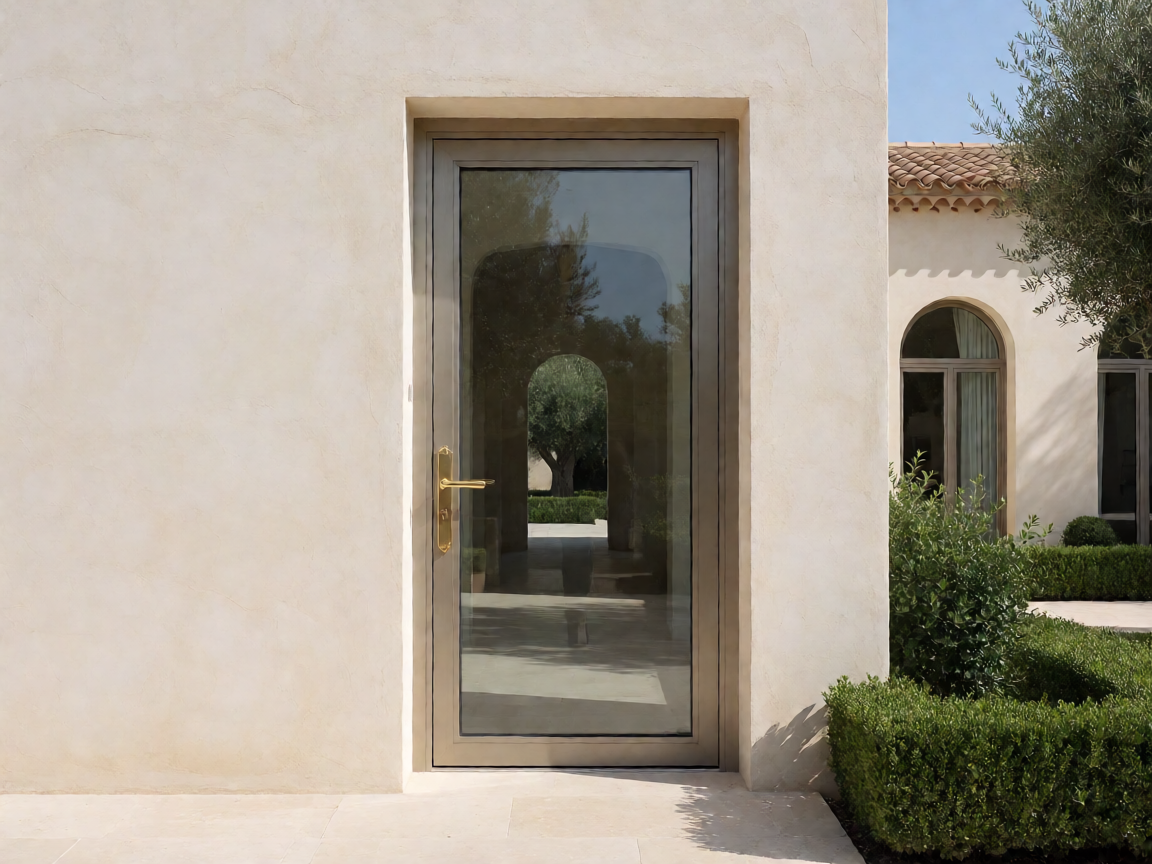
- Aluminum (typically 6063-T5 extrusion). The default for exterior leaves and frames on residential projects. It does not rust, develops a stable oxide layer, and accepts powder coating exceptionally well. The same alloy family used for a custom aluminum courtyard gate is used for exit-door frames, which keeps finish and tone consistent across a facade.
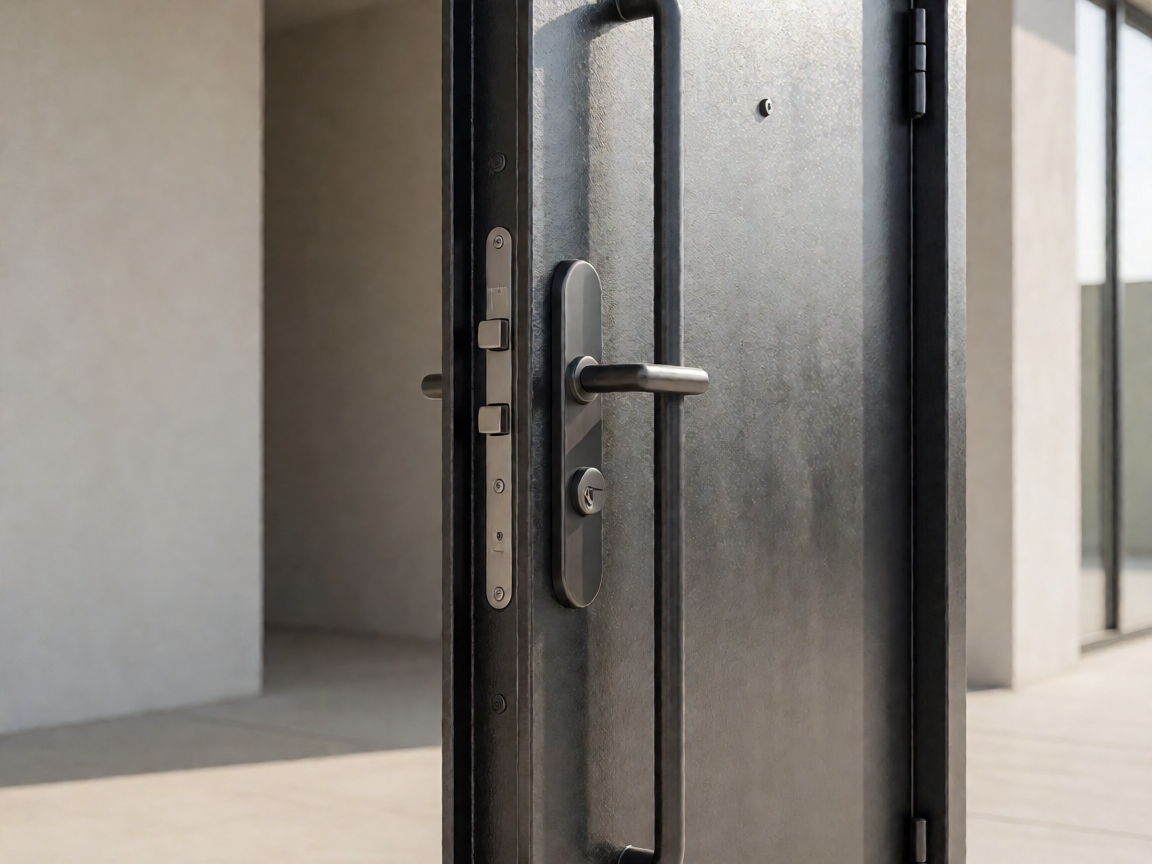
- Galvanized or coated steel. Specified where a fire rating is mandatory. A steel frame with a mineral core carries 60-, 90-, or 120-minute ratings, but cut edges and fixing points must be primed or they will bleed rust within a few seasons.
- Solid timber. Warm and appropriate for heritage properties, but dimensionally unstable in wet climates and requires refinishing every one to two years.
- Aluminum honeycomb filling. The core most modern aluminum leaves use. A hexagonal foil structure is bonded between two skins, producing a flat, rigid panel that weighs a fraction of a solid core and resists warping. It is the same aluminum honeycomb filling approach used in a high-end cast aluminum villa door, and it is the reason a large single leaf can still swing smoothly on standard hinges.
Structure and Specifications: Frame, Leaf, Filling, Glass, and Hardware
Specifications vary by region, but the ranges below cover the vast majority of residential and light-commercial emergency exit doors.
| Component | Common specification | Why it matters |
|---|---|---|
| Frame wall thickness | 2.0–3.0 mm aluminum; 1.5–2.0 mm steel | Resists twisting when anchored into masonry and keeps the leaf aligned. |
| Leaf plate thickness | 1.5–2.0 mm aluminum; 1.0–1.2 mm steel | Thicker skins resist dents; thin skins drum and rattle on every close. |
| Core filling | Aluminum honeycomb, PU foam, or mineral wool | Honeycomb gives stiffness at low weight; mineral wool is used when a fire rating applies. |
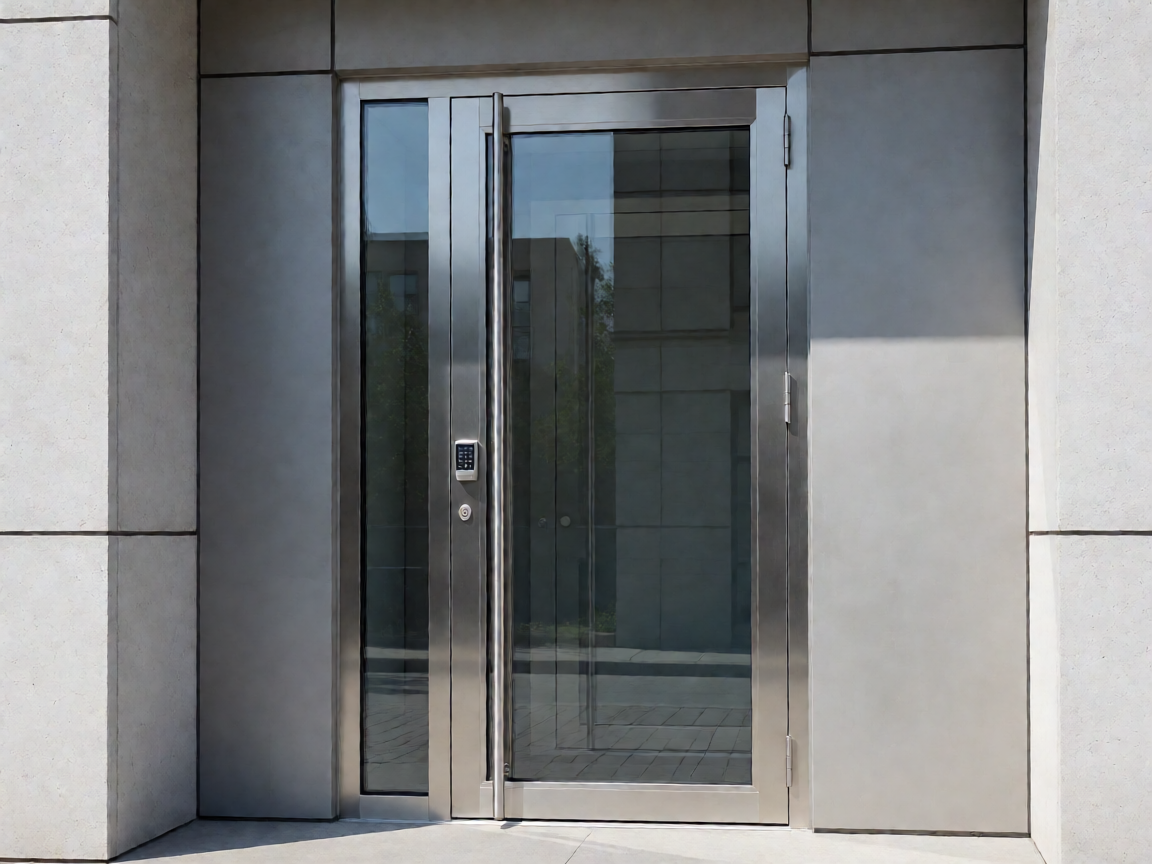
| Glazing | 6–8 mm tempered or laminated, or a 20–28 mm insulated unit in a glass spliced exterior door | Laminated glass holds together if broken — critical along an egress path. |
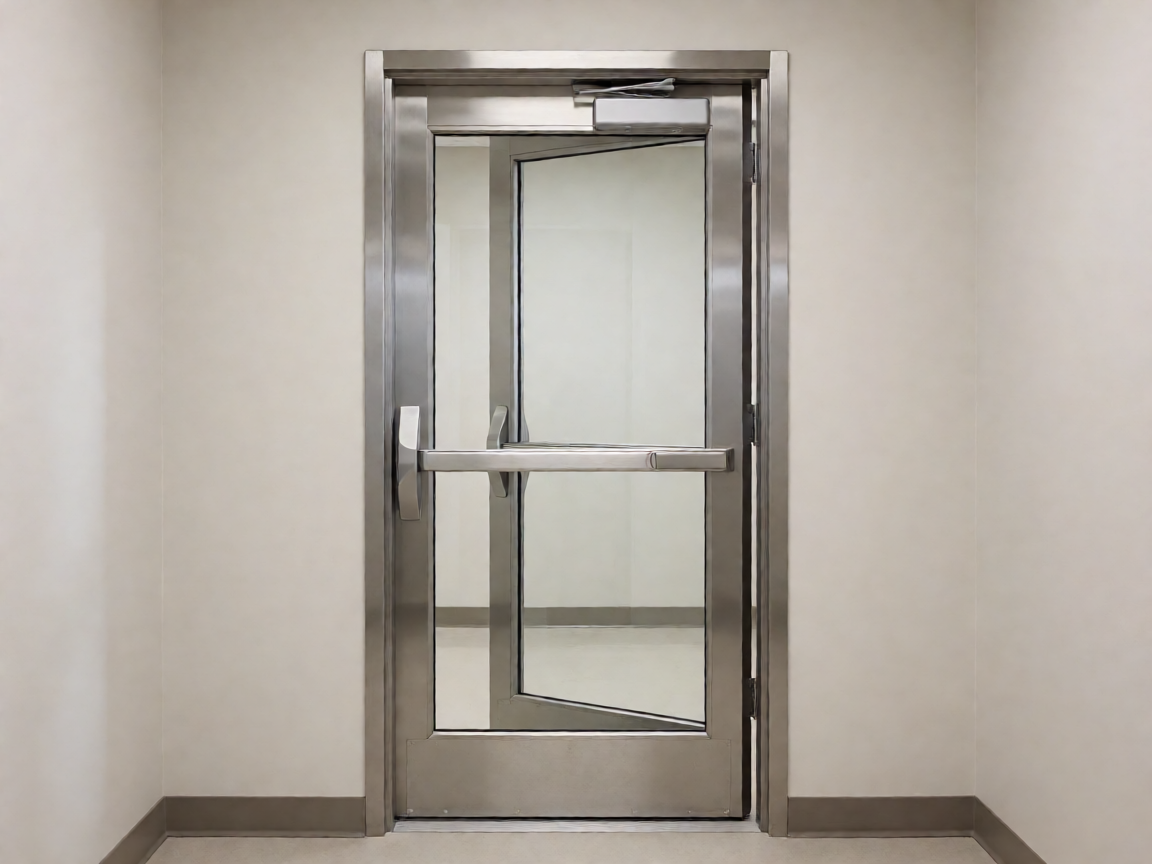
| Exit device | Panic bar to EN 1125 or ANSI/BHMA A156.3 Grade 1, single-cylinder | Egress must be single-action and require no key from the inside. |
| Closer | Adjustable hydraulic, Grade 1 | Controls sweep and latch speed so the door seats without slamming. |
| Hinges | Three to four stainless steel bearing hinges | Distributes leaf weight; undersized hinges sag within a year. |
| Sealing | EPDM weatherstrip, silicone gaskets, intumescent strip where fire-rated | Blocks water, draughts, and smoke at the perimeter. |
Two details are routinely underestimated. First, the frame must be anchored plumb and square — a frame that is out by 3 mm will bind the latch for the life of the door. Second, always confirm whether the opening requires a fixed or removable mullion; on unequal double-leaf configurations, the active leaf carries the exit device and must meet the minimum clear width required by local code.
Key Advantages for Villa and Residential Exteriors
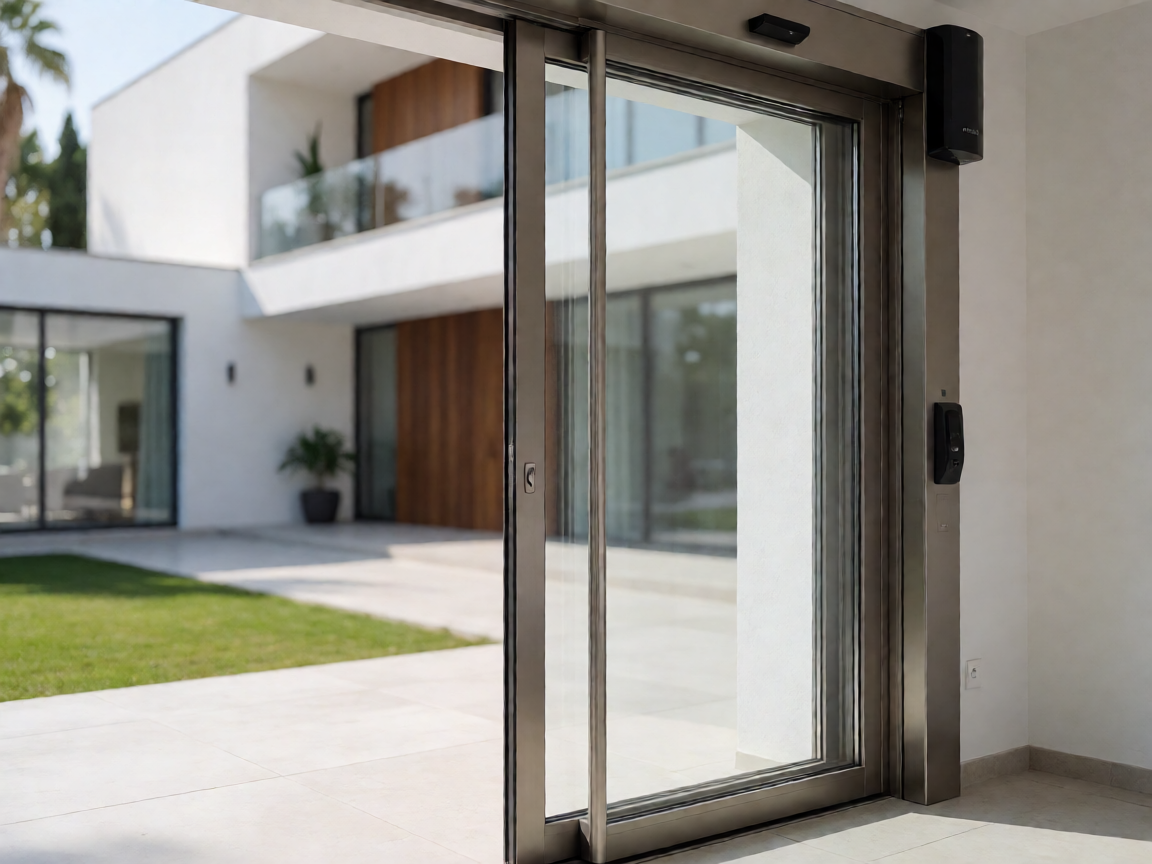
- Corrosion resistance. Anodized or PVDF-coated aluminum handles coastal salt spray and acid rain without the blistering that appears on poorly primed steel.
- Thermal performance. A thermally broken frame with a honeycomb or foam core reduces condensation on the interior face — a common complaint with older metal exit doors in cold climates.
- Security that does not block egress. Multi-point locking on the main leaf combined with a single-action release inside gives the security clients expect without compromising the exit function.
- Low maintenance. One wash per season and occasional touch-up paint is usually all an aluminum door needs.
- Design continuity. Because the finishes match the rest of the facade, the exit door reads as part of the architecture rather than an afterthought bolted onto a side wall.
Custom Options: Finish, Hardware, and Configuration
- Finish: powder coat in any RAL colour, anodized, PVDF for high-UV or coastal sites, or wood-grain sublimation to match a timber facade.
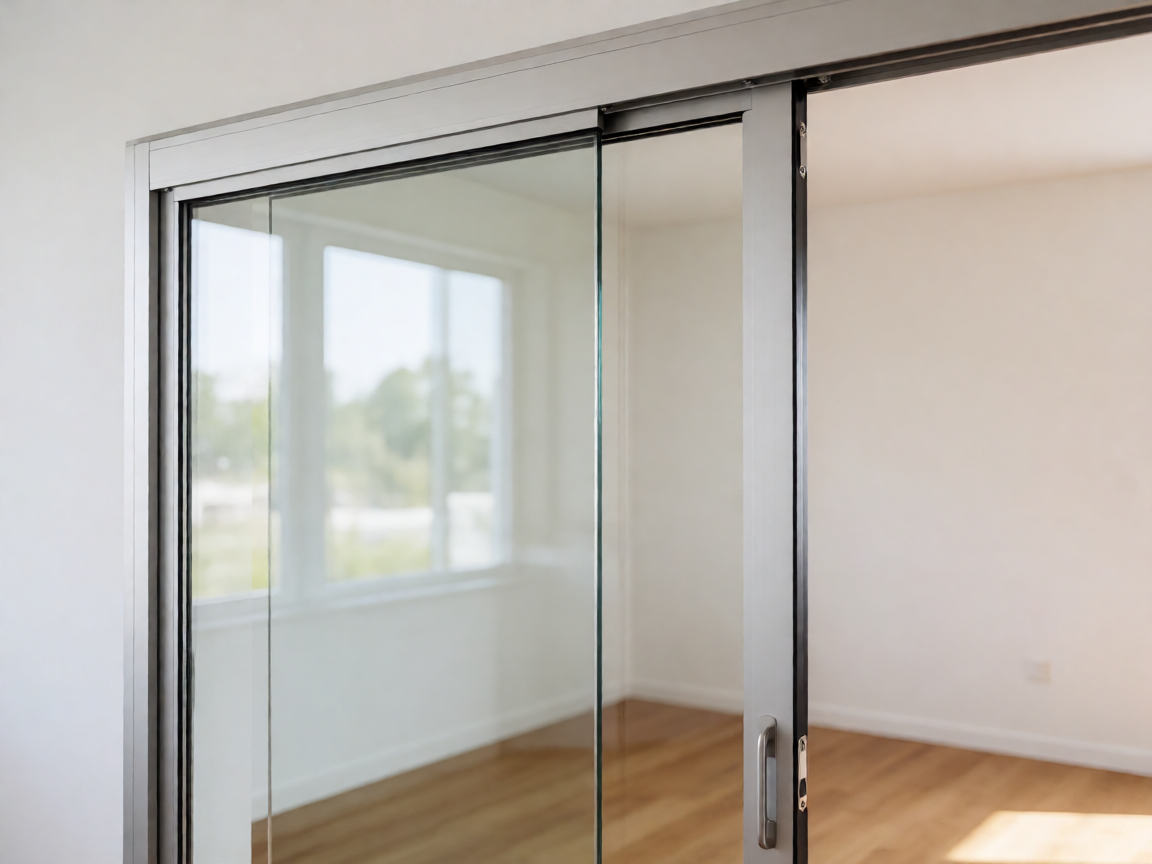
- Opening direction: left or right hand, inward or outward swing, single or double leaf, unequal leaves for a wider clear opening.
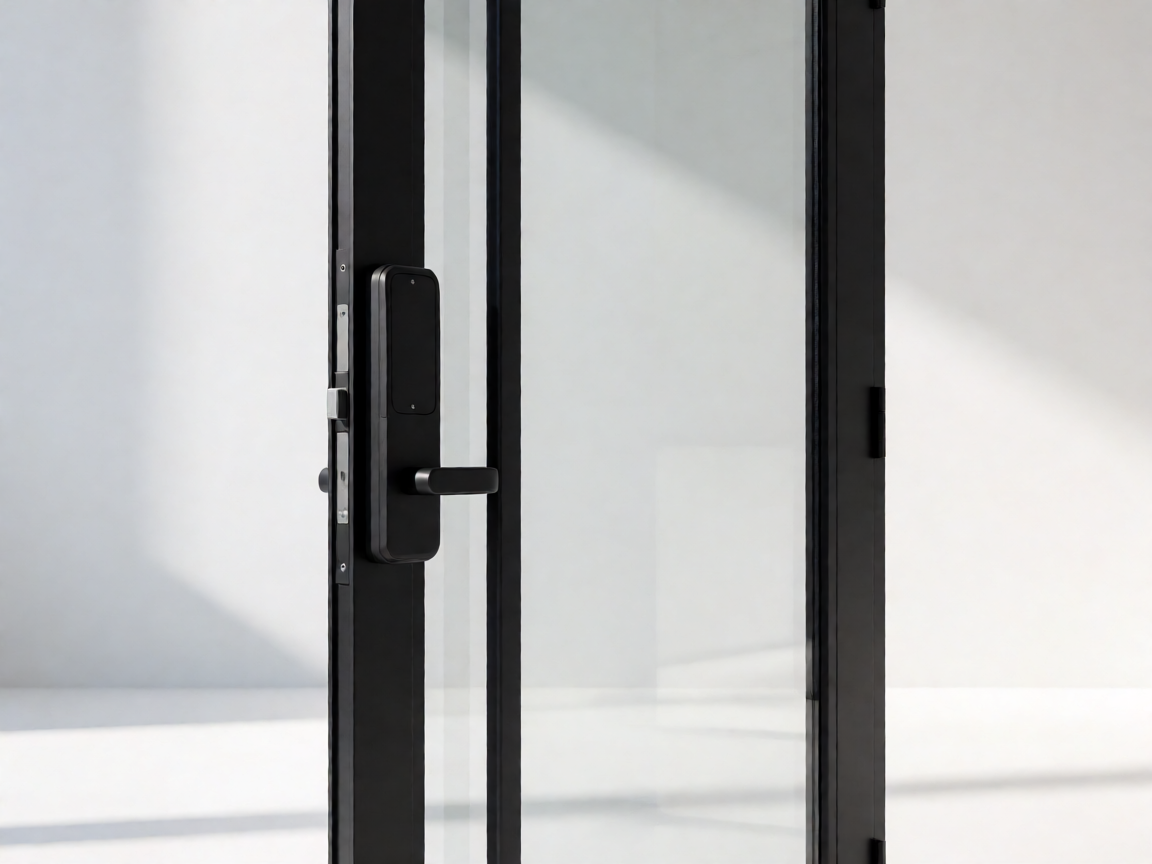
- Locking: mechanical panic hardware, or a smart fingerprint lock on the inactive leaf for everyday access — with the panic bar retained on the egress leaf so the exit still opens in one motion.
- LED decoration: integrated strip lighting along the frame or threshold, useful for exit routes that are unlit at night.
- Transom lintel and sidelights: fixed glazed panels above or beside the door to bring daylight into a corridor without reducing the rated leaf size.
- Custom sizing: doors fabricated to the measured rough opening, which avoids site cutting and preserves the factory finish and warranty.
Maintenance Essentials: A Seasonal Checklist
- Test the exit device monthly. Push the bar with one hand from the inside. The latch should release immediately and the door should swing to at least 90 degrees without dragging.
- Lubricate hinges and pivots twice a year. Use dry PTFE or silicone spray. Avoid heavy grease, which collects grit and accelerates wear.
- Check the closer every quarter. From a fully open position the door should close and latch on its own. Adjust the sweep and latch valves in small increments; never remove a closer to "fix" a sticking door.
- Inspect seals and gaskets annually. Replace compressed weatherstripping and hardened silicone gaskets — they are the first line of defence against water reaching the frame joints.
- Clear threshold drainage. Debris in drainage slots and channels is the leading cause of water pooling at the base of an exterior exit door.
- Tighten and inspect fixings. Check hinge screws and frame anchors once a year; a single loose top hinge will drop the leaf and misalign the lock.
- Touch up paint chips. Cut edges and impact marks are where corrosion starts. Keep a small tin of matching touch-up paint on site and use it promptly.
- Service locks and electronics. Test the key cylinder, the panic bar, and any electronic access device. Replace batteries in a smart lock before the low-battery warning becomes a lockout.
Buying and Selection Tips
- Measure the rough opening at three points (top, middle, bottom) and order to the narrowest dimension. Custom fabrication is almost always cheaper than remedial site work.
- Confirm the egress rules that apply to your jurisdiction before specifying hardware. Many residential codes prohibit a keyed or double-cylinder deadbolt on an exit door.
- Ask for third-party test evidence: EN 1125 or ANSI/BHMA A156.3 for exit devices, EN 14351-1 for exterior door sets, and a fire test report if a rating is required.
- Check the warranty split — finish, structure, and hardware are usually covered for different periods, and coastal installations may have exclusions.
- Buy hardware and door from one source where possible. Mixed systems are the most common source of alignment and warranty disputes.
Conclusion
An emergency exit door is a long-term asset, and its reliability depends far more on specification and routine care than on any single feature. Choose a corrosion-resistant frame, insist on a rigid core such as aluminum honeycomb, match the hardware grade to the traffic the door will see, and build a simple seasonal inspection into the property's maintenance calendar. Done consistently, an exit door will open on the first push for decades — which is the only performance standard that ultimately matters.
Meta description: Emergency exit door maintenance essentials: materials, specs, custom sizing, and a seasonal checklist to keep egress doors safe and rust-free.
相关推荐