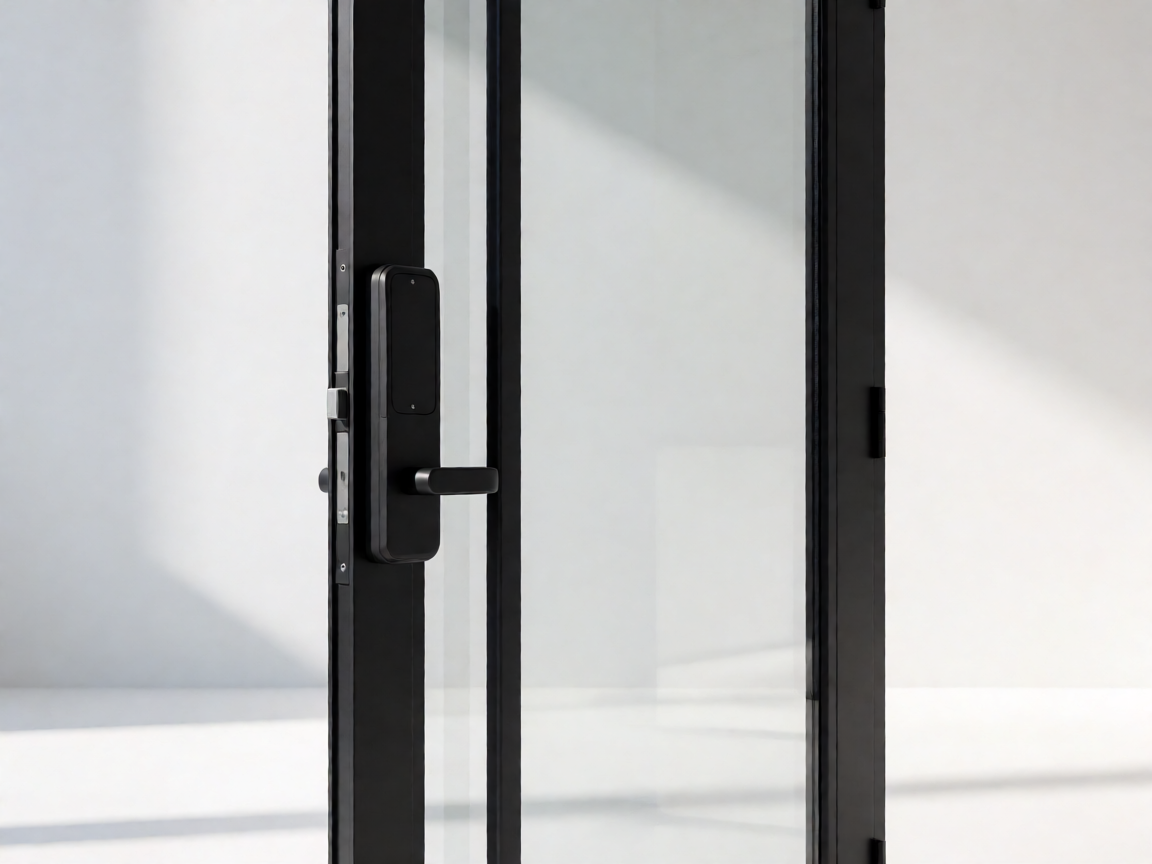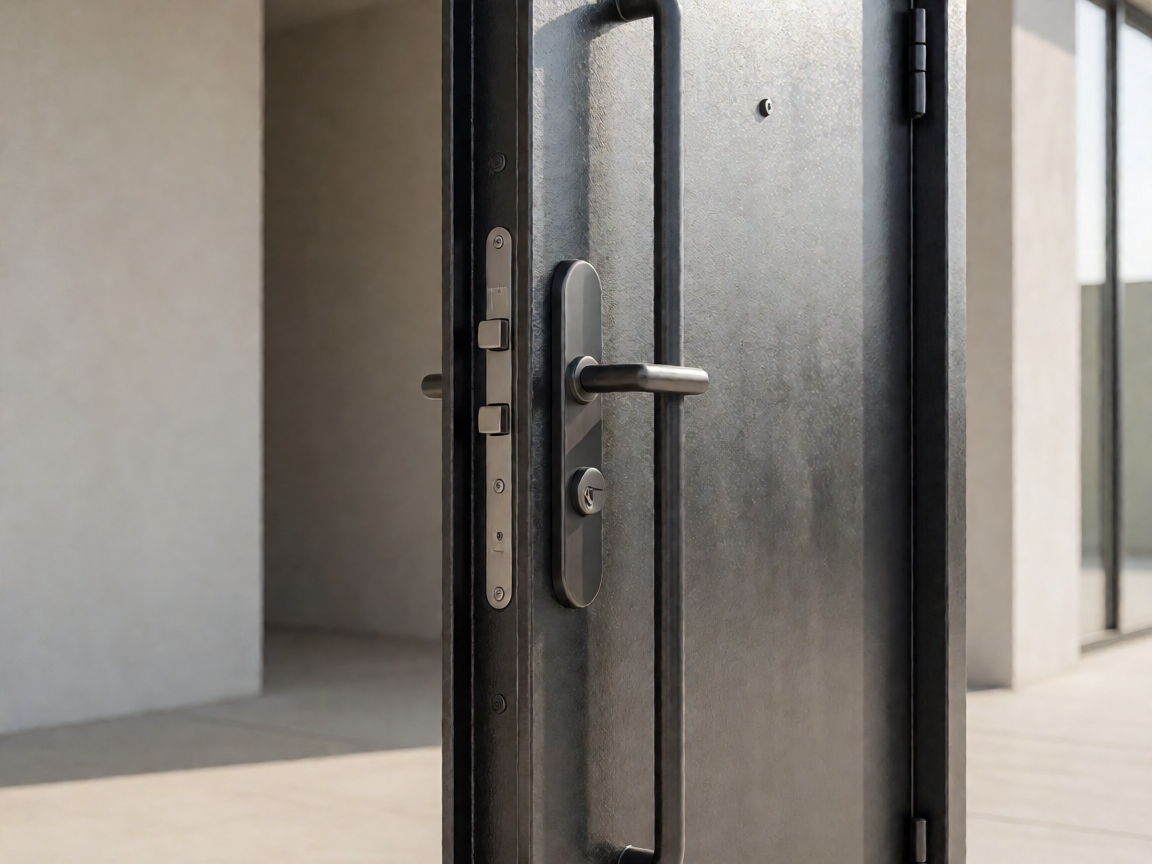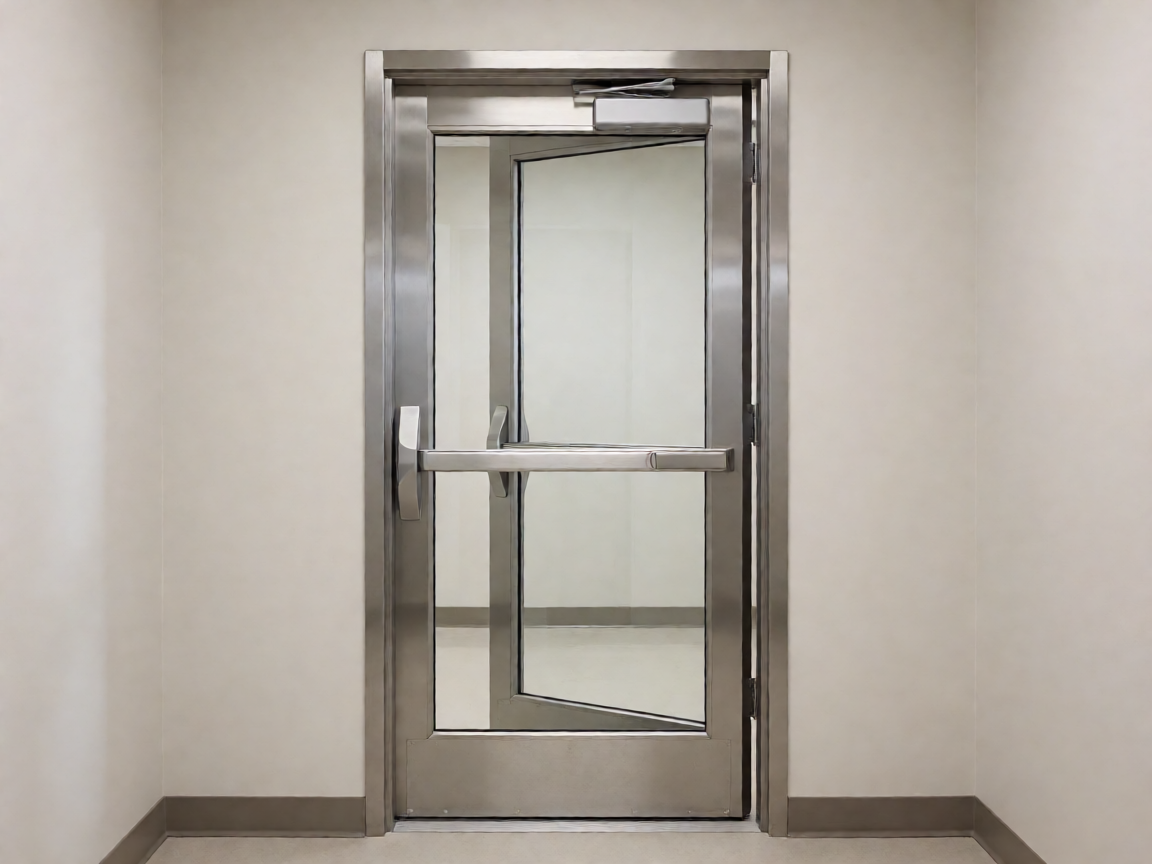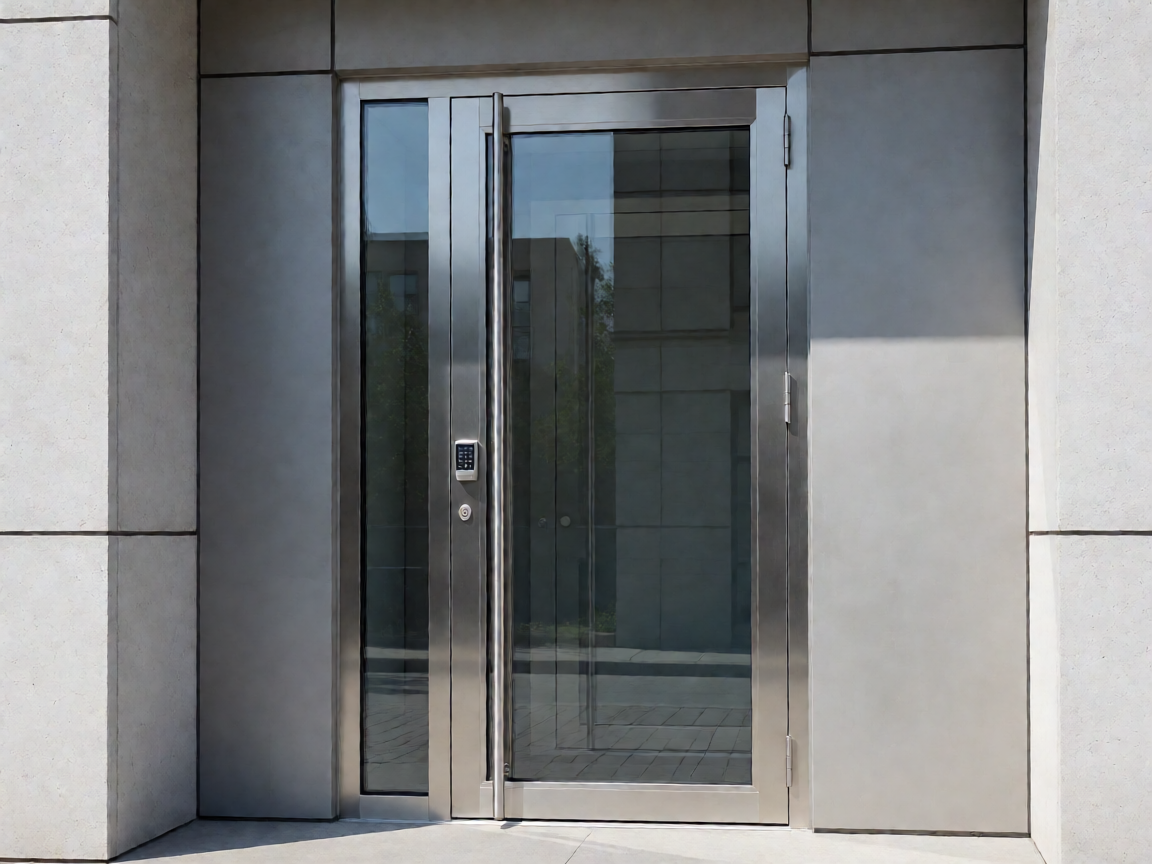
How to Choose the Perfect Villa Gate: Style, Security & Automation
For villa developers, architects, and property managers, the entrance gate is far more than a functional barrier. It is the first impression of a residence, a security boundary, and increasingly, an automated system that must integrate with smart home technology. Selecting the right villa gate requires balancing aesthetic appeal, structural integrity, and mechanical reliability. In this guide, we break down the key factors that should shape your decision, from material selection to automation compatibility, so you can specify a gate that performs flawlessly for decades.
1. Define the Architectural Style First
The gate should complement, not compete with, the villa's architectural language. A contemporary minimalist villa with clean lines and glass facades calls for a different gate than a Mediterranean-style estate with stone cladding and terracotta roofs. Before evaluating materials or mechanisms, establish the design direction.
Modern villas: Horizontal aluminum slat gates, perforated metal panels, or sleek steel frames with concealed fasteners.
Classical or colonial style: Wrought iron with scrollwork, timber combined with steel, or powder-coated aluminum designed to emulate traditional patterns.
Tropical or resort-inspired: Natural wood textures, warm bronze tones, or corten steel that develops a protective patina.
Industrial or loft aesthetic: Raw steel, visible hinges, and utilitarian hardware with a matte or brushed finish.
When you work with a manufacturer that offers a broad portfolio, you can request a gate that matches a specific architectural theme without compromising structural performance. ZW Doors, for instance, fabricates custom villa gates in steel, aluminum, and mixed materials, allowing designers to match finishes, panel sizes, and hardware styles to each project's specifications.
2. Security: Assess Risk, Not Just Hardware
Security requirements vary significantly depending on the villa's location, property layout, and local crime context. A gate is only one layer of a complete perimeter strategy, but it is the most visible one. For B2B buyers, the priority is specifying a gate that deters forced entry while integrating with access-control systems.
Consider these security features carefully:
Frame and infill strength: Structural steel frames with welded joints resist prying and impact far better than bolted assemblies.
Locking points: Multi-point locks, drop rods, and concealed bolts distribute force across the gate, preventing a single weak spot.
Hinge selection: Heavy-duty hinges with sealed bearings or adjustable pivots maintain alignment under constant load.
Access-control integration: Ensure the gate is compatible with intercom systems, keypads, biometric readers, RFID tags, and vehicle detection loops.
Anti-lift and anti-release mechanisms: For sliding gates, include bottom guides and anti-derailment brackets where exposure to wind or uneven ground is a concern.
For projects in high-security environments, consider a steel gate with expanded mesh or solid sheet infill, combined with a fixed bollard or secondary pedestrian gate. For most residential villas, a well-engineered aluminum or steel gate with a magnetic lock and video intercom is sufficient. Assess the actual threat level and specify accordingly rather than defaulting to the heaviest option on the market.
3. Material Selection: Matching Durability to Climate
Villa gates are exposed to sun, rain, humidity, salt spray, and temperature swings. The material you choose must withstand these conditions with minimal maintenance over a service life of 15 to 25 years. There is no universal "best" material, only the right material for your specific environment and usage pattern.
| Material | Strengths | Considerations |
|---|---|---|
| Powder-coated aluminum | Lightweight, corrosion-resistant, low maintenance, ideal for coastal areas | Lower tensile strength than steel; requires proper extrusion design |
| Wrought iron / steel | High strength, classic appearance, custom fabrication possible | Susceptible to rust; requires galvanizing or periodic repainting |
| Stainless steel | Superior corrosion resistance, modern appearance, strong | Higher cost; visible fingerprints; must avoid bi-metallic corrosion |
| Timber + steel composite | Natural warmth, privacy, architectural flexibility | Wood requires sealing; steel frame should carry structural load |
For coastal villa projects in Southeast Asia, the Middle East, or the Mediterranean, powder-coated aluminum with a two-layer coating system (primer plus topcoat) is often the most cost-effective choice. For large sliding gates where wind load is a concern, a steel frame with aluminum infill offers the best balance of strength and corrosion resistance.
4. Automation: Choosing the Right Drive System
Automation is no longer an optional extra for villa gates. It improves convenience, enhances security, and increases property value. However, the automation system must be matched to the gate's weight, size, and opening frequency. Selecting an under-powered motor will lead to premature failure and warranty claims.
There are three main types of gate automation:
Sliding gate operators: Suited for gates up to 10 meters in width and weights up to 2,000 kg. Ideal for sites with limited setback distance. Available in electromechanical and hydraulic versions. Hydraulic operators are preferred for heavy gates and frequent use.
Swing gate operators: Designed for single or double swing gates up to 3.5 meters per leaf. Electromechanical arms are common in residential settings; hydraulic rams are better for heavy or frequent-use gates.
Underground / buried operators: Invisible from the surface, suitable for high-end architectural projects where aesthetics are critical. Requires a concrete foundation sleeve and careful drainage planning.
When specifying automation, request the gate manufacturer to provide a compatibility chart with recommended motor brands and torque ratings. Also consider these features:
Battery backup for operation during power outages
Photocell sensors and safety edges to prevent entrapment and collision
Wi-Fi or LoRa connectivity for remote monitoring and app control
Manual release mechanism for emergency operation
IP rating appropriate for outdoor exposure (recommend IP54 or higher)
According to industry data, gates installed with properly matched automation systems have an average lifespan 30% longer than those retrofitted with third-party drives. This statistic underscores the benefit of purchasing the gate and automation from a single responsible supplier.
5. Sizing, Clearance, and Site Constraints
Professional site assessment is essential before finalizing any gate design. A gate that looks excellent in a drawing but cannot fully open due to a slope, adjacent wall, or drainage channel is a costly error. Measure the opening width, available setback, vertical clearance, and ground slope at the earliest design stage.
Entry width: Standard villa driveways range from 3.5 to 6 meters. Ensure the gate leaves open at least 3 meters of unobstructed clearance for SUV-class vehicles.
Setback depth: Sliding gates require a pocket or cantilever space equal to approximately 30–50% of the gate width, plus space for the motor.
Ground slope: For uneven or sloped driveways, cantilever sliding gates are generally the best fit because they do not require a bottom rail.
Wind exposure: In areas prone to strong winds, choose a gate with higher open-area ratio (e.g., slats with gaps or mesh infill) to reduce wind load.
Safety clearance: Maintain a minimum 1.5 meter gap between the gate and any pedestrian walkway to avoid collision during opening and closing cycles.
If the site allows, a pedestrian access gate integrated into the main gate or placed beside it is highly recommended. This reduces the need to open the full vehicular gate for daily foot traffic, which extends the lifespan of the automation system and improves security control.
6. Compliance, Safety Standards, and Certification
For B2B buyers and contractors, verifying compliance with international safety standards is not optional. It protects end-users, reduces liability, and ensures smooth project handover
相关推荐