Custom Doors: Pricing Factors for Made-to-Order Projects
Specifying custom doors for a villa or renovation project often begins with a design idea and ends with a budget question. Owners, builders, and architects raise the same concerns: security, rust resistance, low maintenance, exact sizing, and installation responsibility. Made-to-order pricing can vary widely for doors that look similar, because the total reflects material grade, structural specification, hardware, finish, and customization. This guide breaks down the main cost drivers so project teams can compare quotations on a like-for-like basis.
Core Materials: The Largest Cost Variable
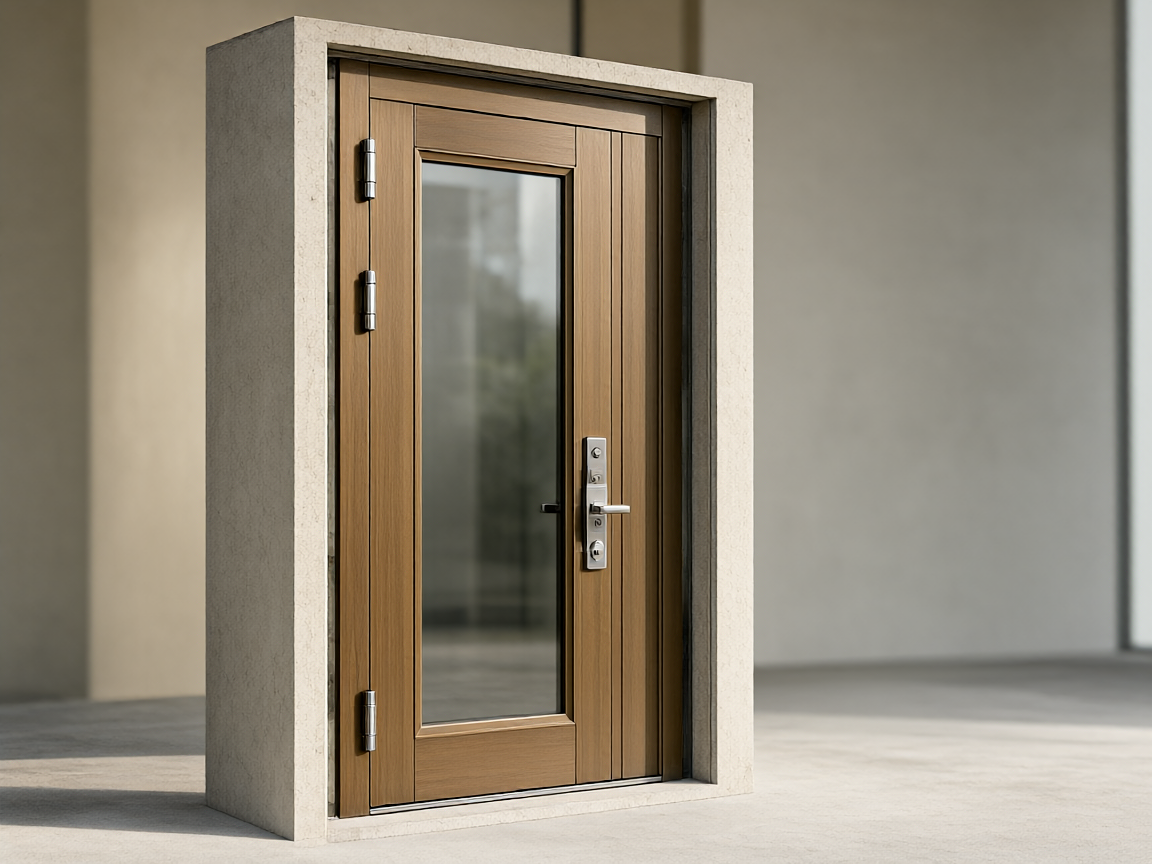
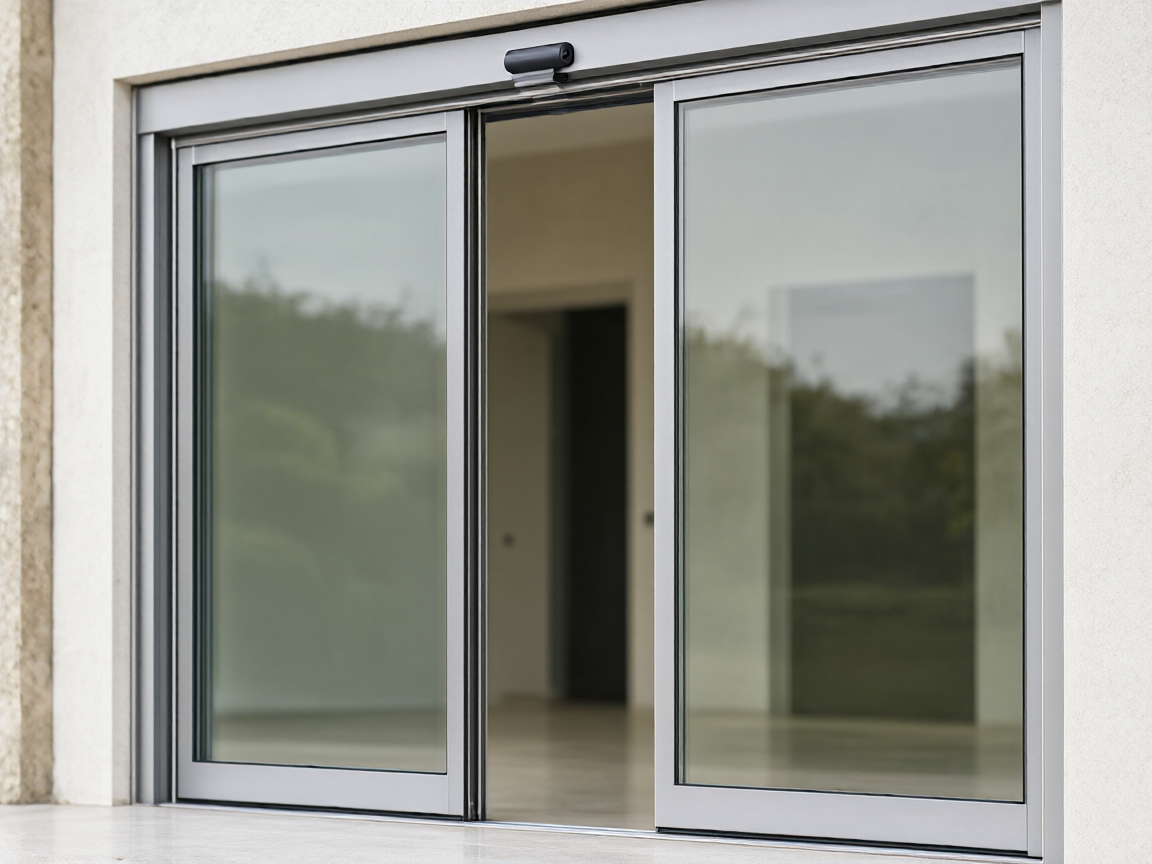
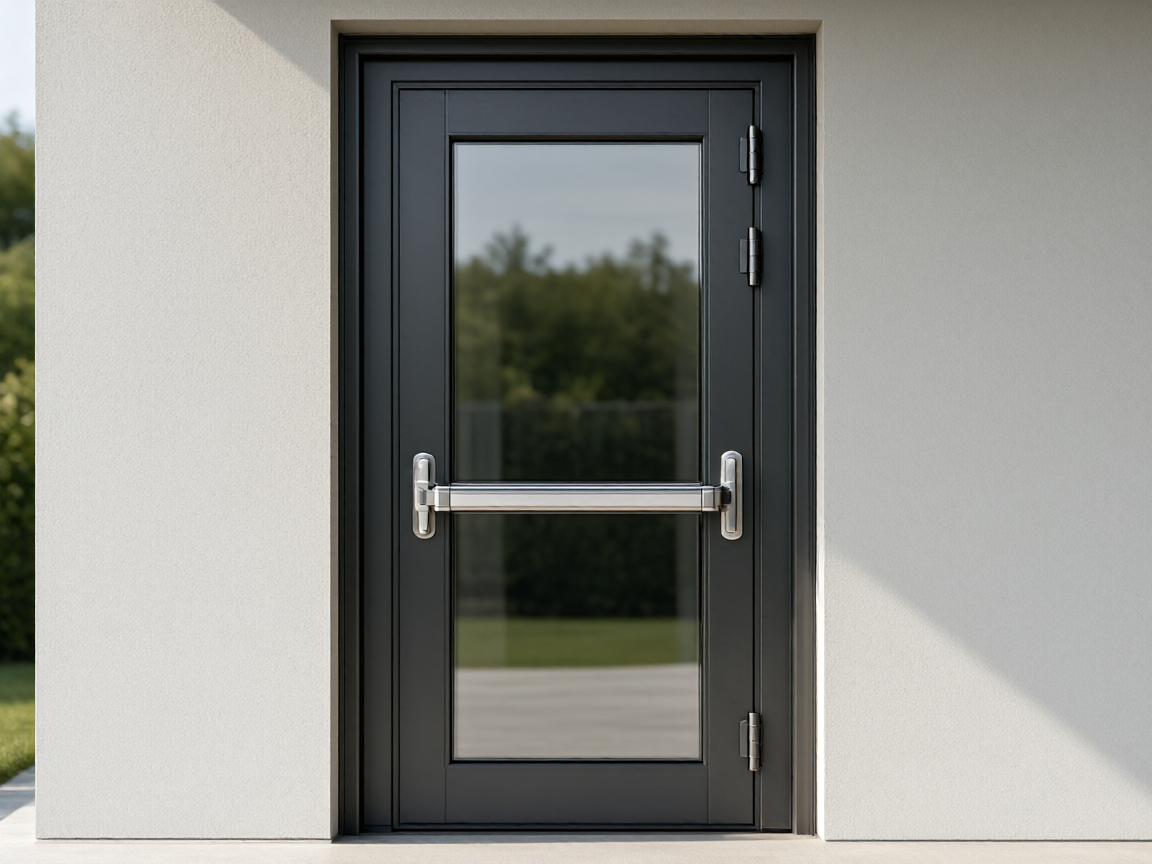
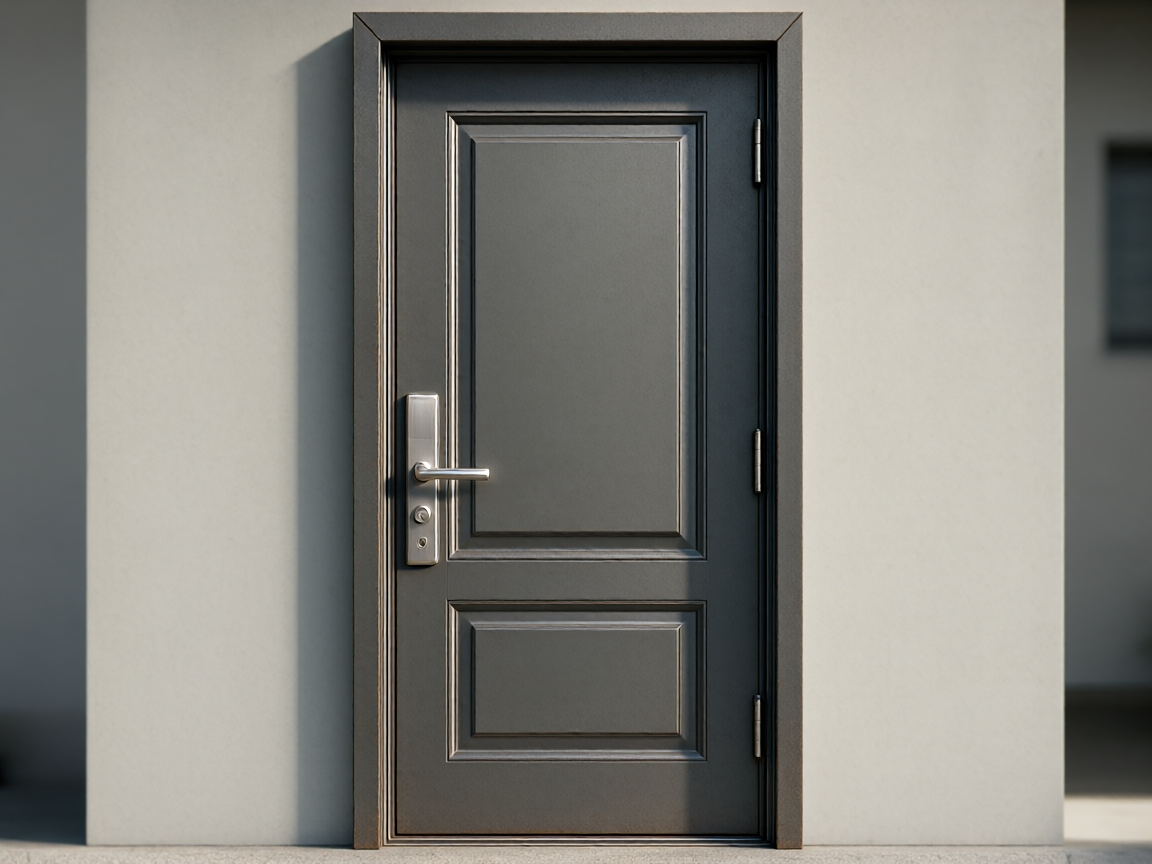
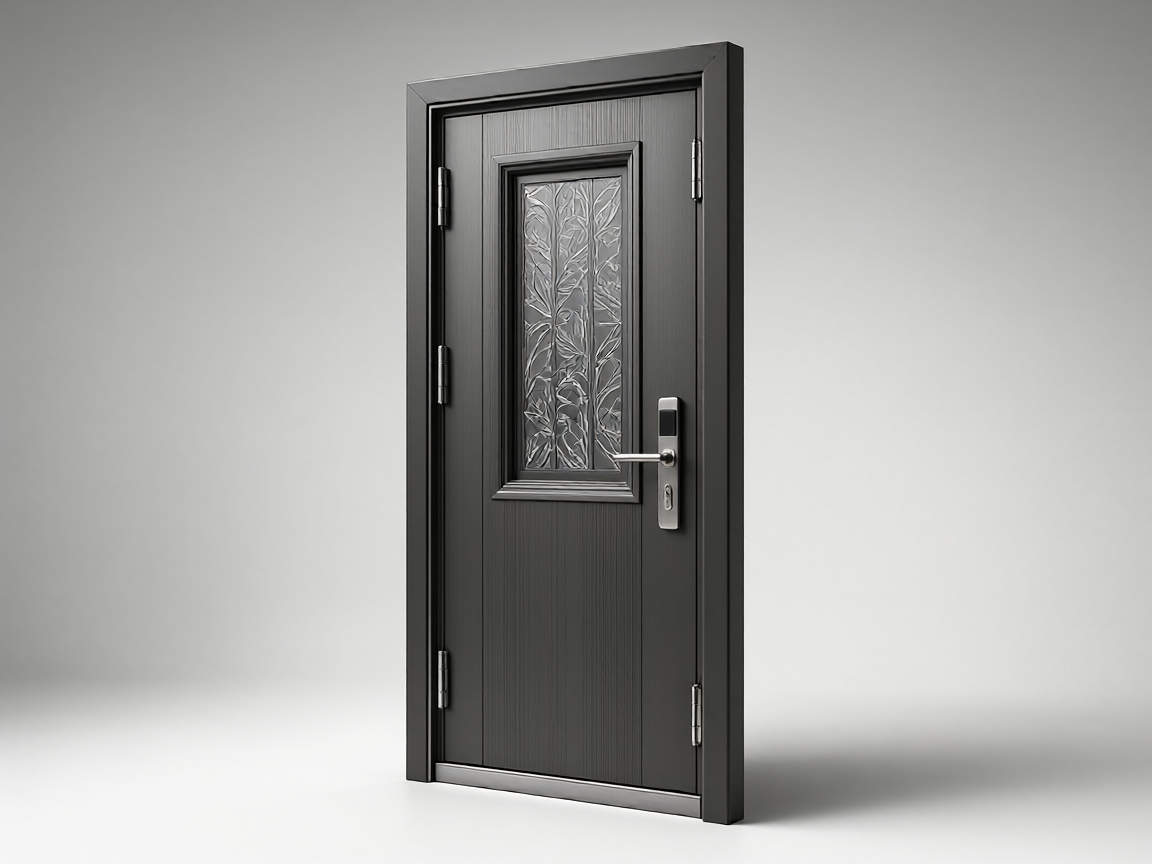
Material choice sets the baseline for performance and price. Aluminum is common for exterior villa doors because it does not rust, but “aluminum” covers a wide range. Extruded profiles are cost-effective for clean, linear designs. A cast aluminum villa door uses thicker, molded panels that allow deeper relief and greater rigidity; it requires more material and finishing time, so it costs more. Internal construction also matters. Aluminum honeycomb filling adds stiffness without excessive weight, helping large leaves resist wind load and sagging. It costs more than foam fill but can reduce long-term adjustment issues. Glass selection for a glass spliced exterior door—tempered, laminated, insulated, or decorative—adds further cost. Material grade, section thickness, and infill type are usually the three largest line items.
Structure and Specifications That Affect Cost
Two doors can share a finish and still differ significantly in price because of what is behind the surface. Ask for these items in writing.
- Frame thickness: Exterior frames commonly range from 1.4 mm to 2.0 mm; thicker sections are used for large leaves or high wind areas, increasing material and anchor costs.
- Plate or panel thickness: Thicker cast panels hold detail better and resist impact, but add weight and cost. Confirm visible thickness and reinforcement.
- Filling: Aluminum honeycomb filling, polyurethane foam, and composite cores differ in cost, weight, and thermal performance. Honeycomb is typically more expensive but more dimensionally stable.
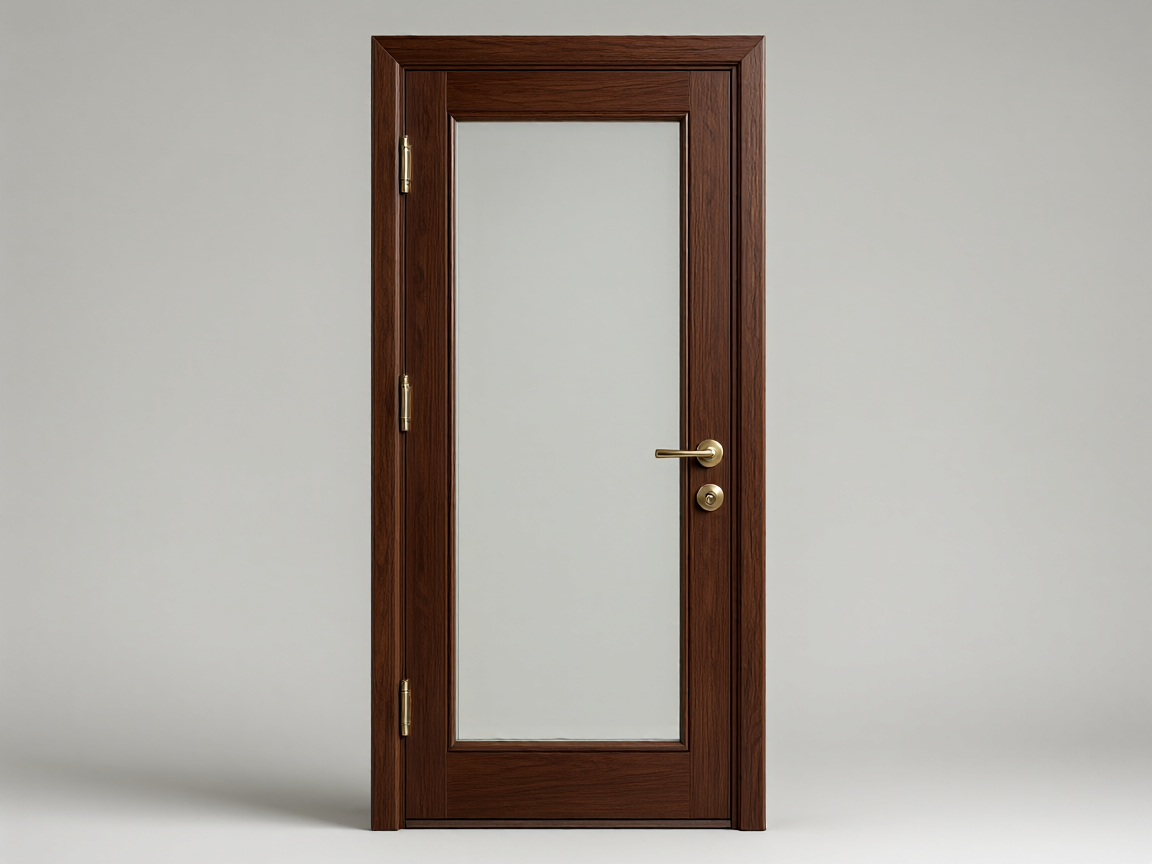
- Glass: Single tempered glass is the lowest-cost option; laminated glass improves safety and security; double glazing improves thermal and acoustic performance. Custom shapes and printed interlayers add cost.
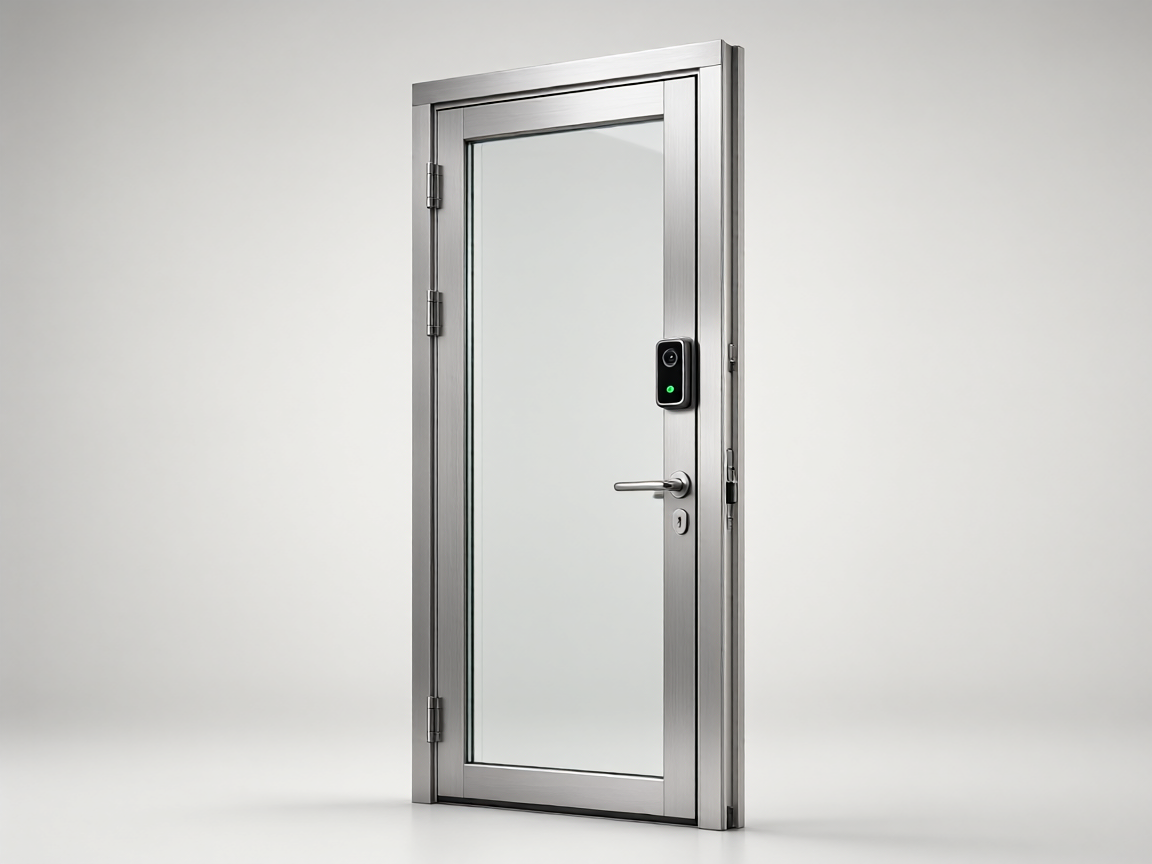
- Lock system: A mechanical multipoint lock is a modest part of the total. A smart fingerprint lock or keypad entry adds hardware cost and may require different door preparation or power provision.
A lower quote often reflects a thinner frame, lighter infill, or simpler lock rather than a better deal.
Why Villa Exterior Applications Justify the Investment
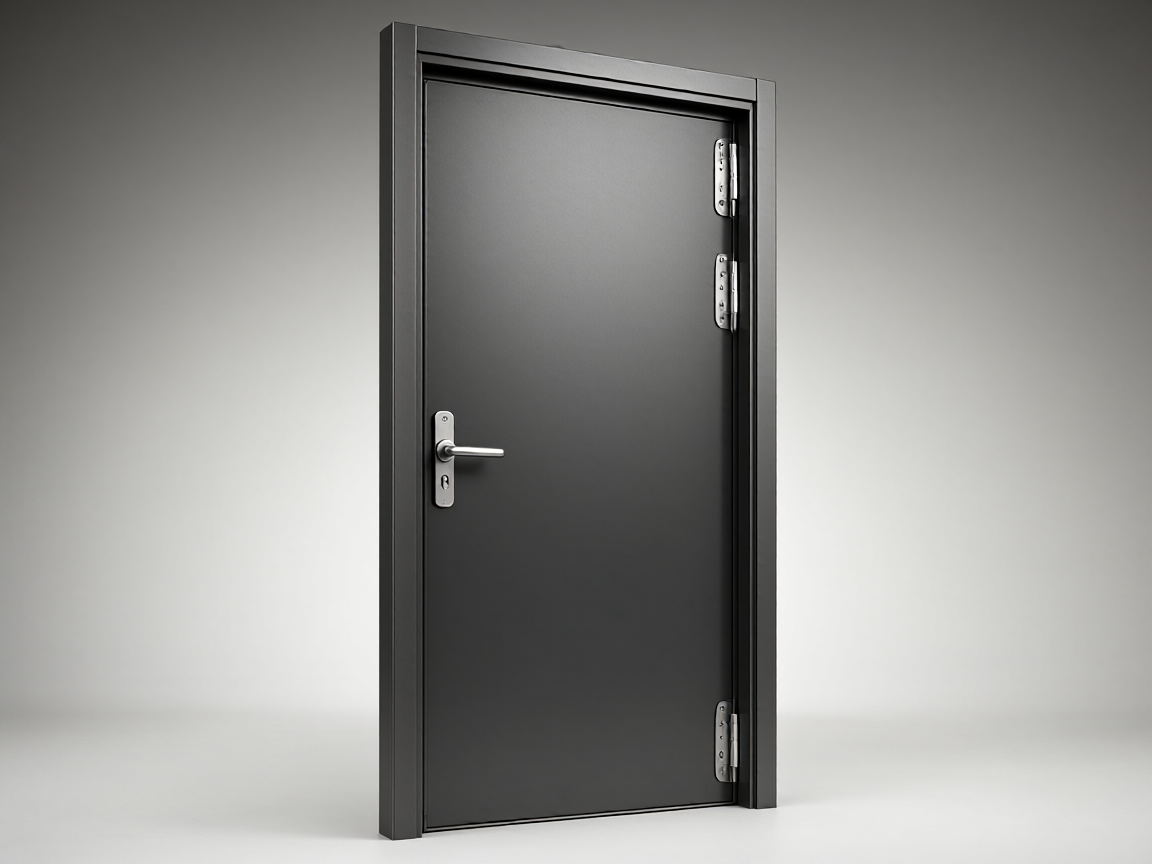
For villa exteriors, purchase price is only part of the cost of ownership. A custom aluminum courtyard gate or exterior door faces rain, salt air, UV, and temperature swings. Aluminum does not rust, but poor finishes and unprotected cut edges can still corrode or chalk. A properly specified powder-coated or fluorocarbon finish with stainless steel hardware and drainage details reduces maintenance to periodic cleaning rather than repainting. Security also depends on frame-to-leaf fit, hinge strength, lock points, and panel rigidity. A heavy cast panel on a reinforced frame with a multipoint lock is harder to pry or impact than a lightweight hollow door. For builders and architects, these details affect warranty exposure and callbacks; a correctly specified door usually costs less over the project lifecycle than a cheaper unit that fails after a few seasons.
Custom Options and Their Pricing Impact
Customization is where budgets can move quickly. Each option below has a different cost effect.
- Finish and color: Standard powder-coat colors are usually the most economical. Custom RAL colors, wood-grain effects, and fluorocarbon coatings for coastal environments add cost.
- Opening direction: Left- or right-hand swing, inward or outward opening, and single or double leaf are straightforward if decided before production. Post-fabrication changes are expensive.
- Smart lock: A smart fingerprint lock or keypad adds convenience for rental villas and family homes. Confirm door preparation, backup power, and suitability for leaf weight and thickness.
- LED decoration: Integrated LED lighting requires wiring, weatherproofing, and a power source; specify it early so cable routes are coordinated with the electrical contractor.
- Transom lintel: A transom or fixed side panel changes structural design and glass area. It improves daylight and proportion but adds frame material, glass, and installation complexity.
Non-standard sizes, arched openings, and reinforced anchors also carry engineering and fabrication costs. Ask for each option to be priced separately.
Buying and Selection Tips for Project Teams
Start with the opening, not the catalog. Confirm structural opening size, wall construction, exposure level, and local building requirements before requesting prices. For renovations, site measurement should account for out-of-square openings and threshold heights, which often drive installation cost more than the door itself.
Request itemized quotations that separate material, frame specification, glass, hardware, finish, and installation support. Compare like for like: a quote without frame thickness or infill details is not comparable. Ask for test reports or certifications relevant to the destination market, and confirm who handles freight, customs, site delivery, and warranty. For a custom aluminum courtyard gate project, clarify whether the supplier provides installation drawings, anchor specifications, and a maintenance schedule. Agree lead times in writing, including approval of shop drawings and finish samples.
Avoid selecting on unit price alone. The lowest quote may exclude crating, freight, or a suitable lock, and a heavier door may require more labor to install correctly. A transparent supplier will explain trade-offs rather than simply discounting the specification.
Conclusion
Pricing for custom doors is driven by material grade, structural specification, glass and infill, lock system, finish, and customization—not by the label on the door. Define performance requirements first, request itemized quotes, and compare the specifications behind each price. A door correctly specified for security, weather, and maintenance will usually deliver better long-term value than a cheaper unit that needs early repair or replacement.
相关推荐