Sliding Doors: What Affects Door Prices?
Two quotes for the same-sized sliding doors can differ by 60% or more, and rarely does either supplier explain why. For villa owners, builders, architects, and renovation contractors, that gap usually comes down to a handful of variables: the alloy and wall thickness behind the frame, the grade of glass, how the panels are filled and sealed, the locking hardware, and how much custom fabrication the opening requires. Add coastal salt air, security expectations, near-zero maintenance targets, and site dimensions that never quite match a catalogue size, and pricing becomes genuinely hard to compare. The breakdown below explains where the money actually goes, so you can benchmark quotes line by line instead of by total.
Core Materials: The First 40–60% of the Cost
Material selection sets the floor and ceiling of any sliding door price. Extruded 6063-T5 aluminum alloy is the industry standard for residential and light commercial systems because it offers a good balance of strength, finish adhesion, and cost. Structural or oversized units often move to 6061 or 6005A grades, which machine and weld well but cost more per kilogram. Wall thickness matters more than most buyers expect: lightweight residential profiles at 1.4–1.6 mm sit at the budget end, while 2.0 mm and heavier sections used on large sliding panels resist deflection and stay square over years of use.
Where decoration is involved, cast aluminum villa door panels carry a higher unit cost than stamped or pressed panels because of tooling, casting time, and finishing labor. Steel is cheaper upfront but demands galvanizing plus repainting and remains vulnerable at welds and drainage points. Thermally broken aluminum profiles, essential in cold European and North American climates, add a polyamide bridge and a second extrusion pass. On coastal projects, a marine-grade pretreatment and a heavier coating system are non-negotiable additions to the base price.
Structure and Specifications That Move the Number
Once the alloy is fixed, structure determines the rest. Frame profile depth and thickness affect wind-load performance and the maximum panel size you can build. Panel skin thickness — typically 1.0 mm to 2.0 mm aluminum sheet — changes both rigidity and weight. Filling is a major cost lever: aluminum honeycomb filling delivers a flat, rigid, lightweight panel with strong sound and heat performance, while polyurethane foam costs less and expanded polystyrene less again. Solid or composite cores sit at the top of the range.
Glass is the second-largest variable. A single 6 mm tempered pane, a laminated 6.38 mm safety unit, a 6+12A+6 insulated glass unit, and a Low-E or solar-control build-up can differ by a factor of three. Hardware and locking systems complete the picture: standard rollers and a single-point latch versus stainless steel tandem rollers, reinforced tracks, and multi-point locking with a smart fingerprint lock.
| Component | Typical specification | Effect on price |
|---|---|---|
| Frame profile | 1.4–2.0 mm aluminum; 2.5–3.0 mm heavy-duty | Moderate to high |
| Panel skin | 1.0–2.0 mm aluminum sheet | Moderate |
| Filling | Aluminum honeycomb, PU foam, EPS | Moderate |
| Glass | Tempered, laminated, insulated, Low-E | High |
| Lock system | Mechanical multi-point to smart fingerprint lock | Moderate to high |
| Finish | Powder coat, PVDF, anodized, wood grain | Low to moderate |
Key Advantages for Villa Exterior Applications
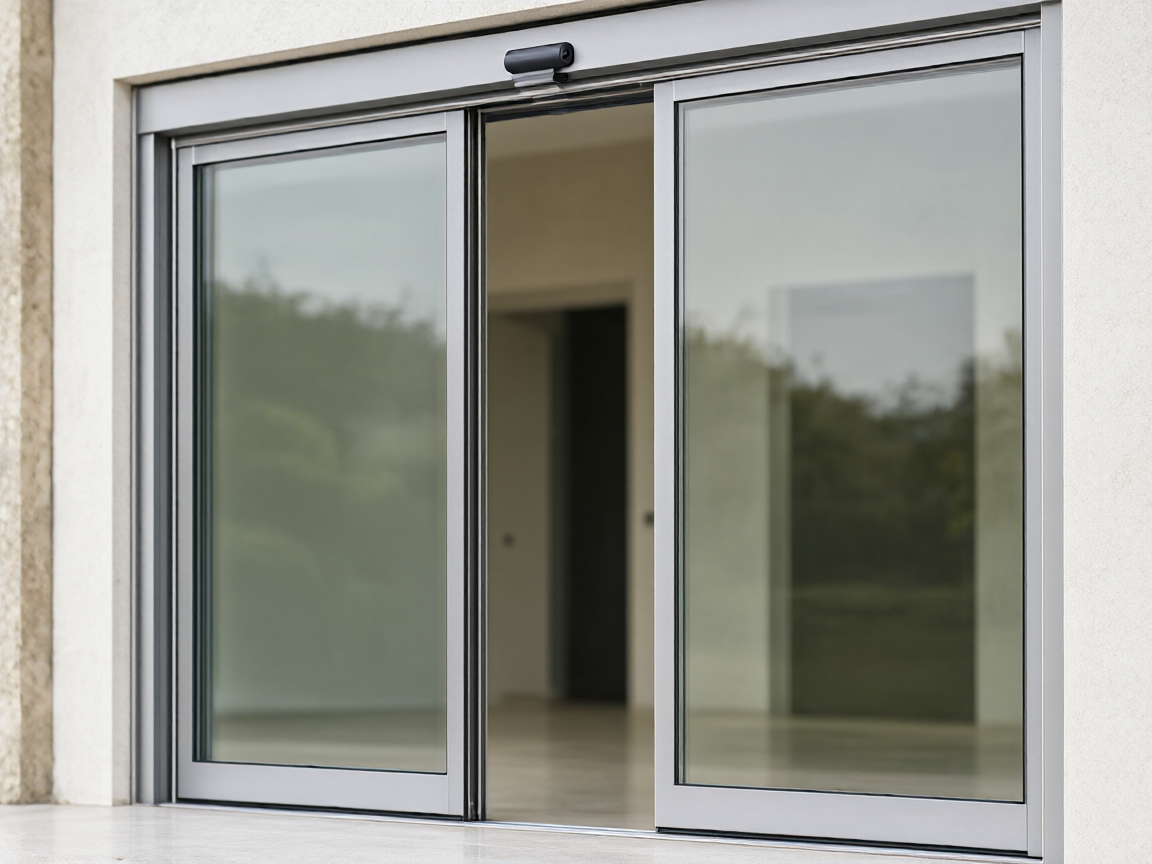
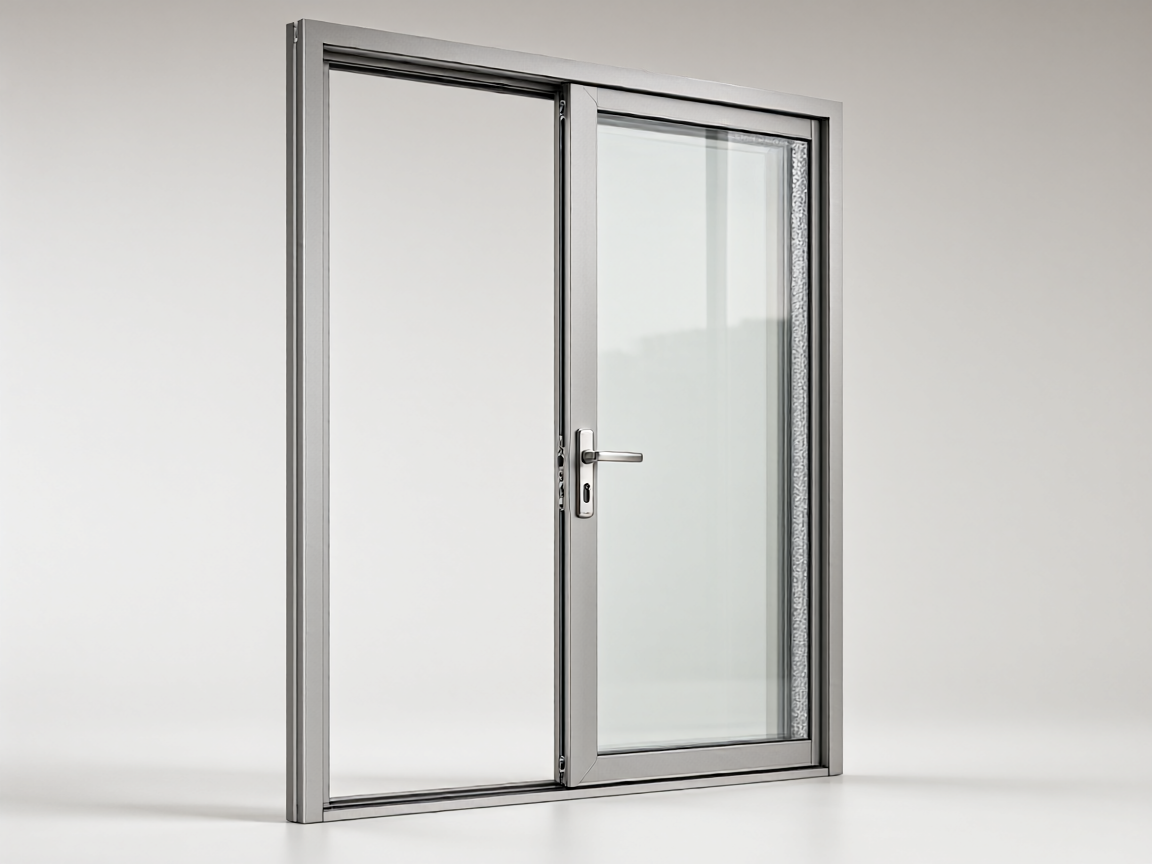
Sliding doors earn their place on villa elevations because they solve problems that hinged doors cannot. Panels travel parallel to the wall, so no swing clearance is needed on terraces, pool decks, or narrow side passages. Wide openings can be created with two, three, or four panels, and a glass spliced exterior door configuration lets you combine large fixed glazing with operable sections for uninterrupted sightlines. Aluminum construction resists rust in humid and coastal environments far better than steel, and a quality powder or PVDF finish keeps cleaning to occasional washing with mild detergent. Security is addressed through reinforced tracks, anti-lift blocks, and multi-point locking, which is where cheap units usually fall short.
Custom Options and What Each One Adds
- Finish and color: standard powder coating is the baseline; PVDF fluorocarbon, anodized, and wood-grain sublimation finishes add cost but extend color stability outdoors.
- Opening direction and type: standard sliding, lift-and-slide, tilt-slide, pocket, and corner configurations each carry different hardware and fabrication costs.
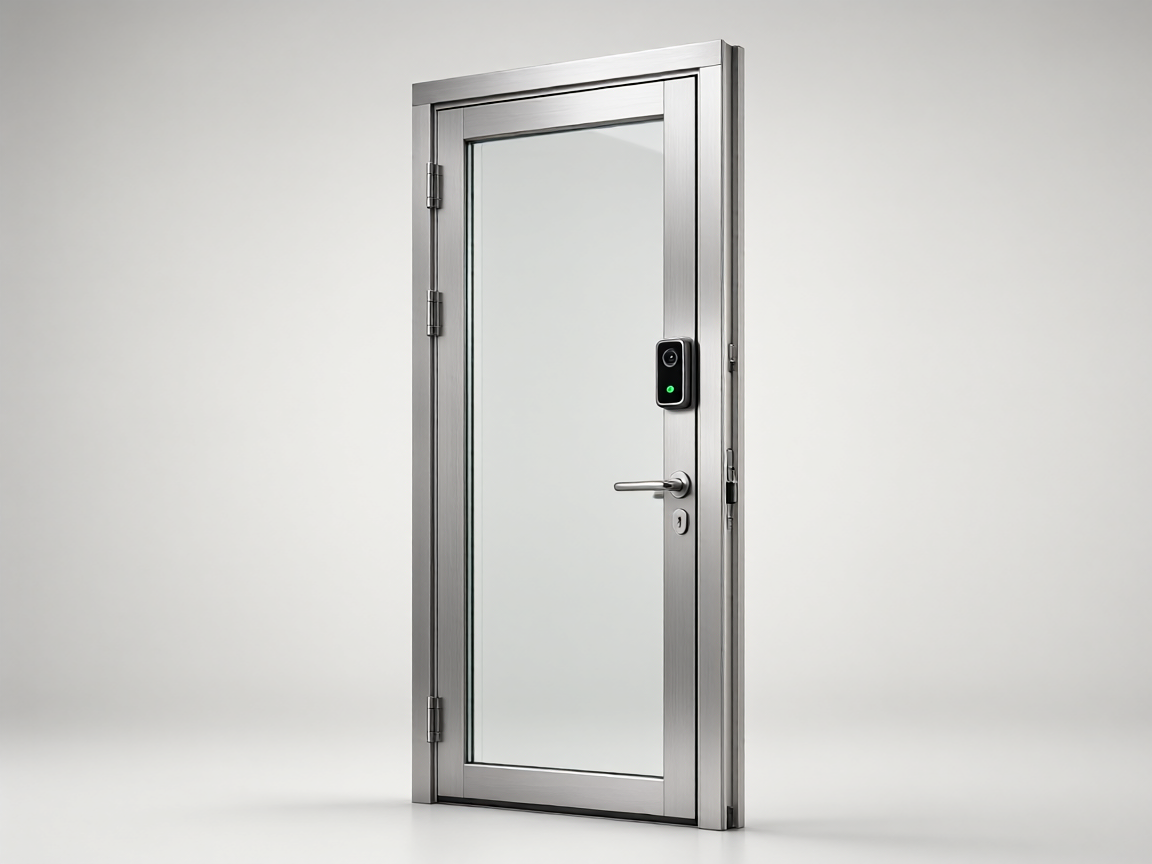
- Smart fingerprint lock: adds electronic access, audit trails, and app control — priced by brand, credential types, and whether it integrates with home automation.
- LED decoration: integrated lighting in frames or handles requires wiring routes, drivers, and IP-rated components.
- Transom lintel: a fixed transom above the sliding panels increases glass area, frame complexity, and structural reinforcement needs.
For a custom aluminum courtyard gate or a full glazed façade, these options compound: a lift-and-slide system with insulated Low-E glass, PVDF finish, and a smart lock can cost two to three times a basic two-panel slider of the same size.
Buying and Selection Tips
- Ask for an itemized quote separating profiles, glass, filling, hardware, finish, and labor — single-line totals hide substitutions.
- Verify wall thickness with a caliper on a sample, not on the drawing.
- Confirm glass type and certification, and check whether safety glazing is required in your jurisdiction.
- Request hardware brand and warranty terms in writing, especially for rollers and locks.
- Insist on a site measurement before fabrication; out-of-square openings drive up installation cost.
- Clarify freight, crane or lift access, disposal of old units, and who handles snagging.
- Check drainage and threshold details for your climate — water management is where most callbacks originate.
Conclusion
Sliding door pricing is a function of material grade, profile and panel thickness, filling and glass specification, locking hardware, finish system, and the degree of customization. When quotes are compared component by component, the cheapest option usually reveals its compromises in thinner profiles, basic glazing, or light-duty rollers. Buying on specification rather than headline price is the most reliable way to protect both budget and long-term performance on villa and residential projects.
相关推荐