Commercial & Industrial Doors: Lead Time Considerations for Project Timelines
Commercial & Industrial Doors: Lead Time Considerations for Project Timelines
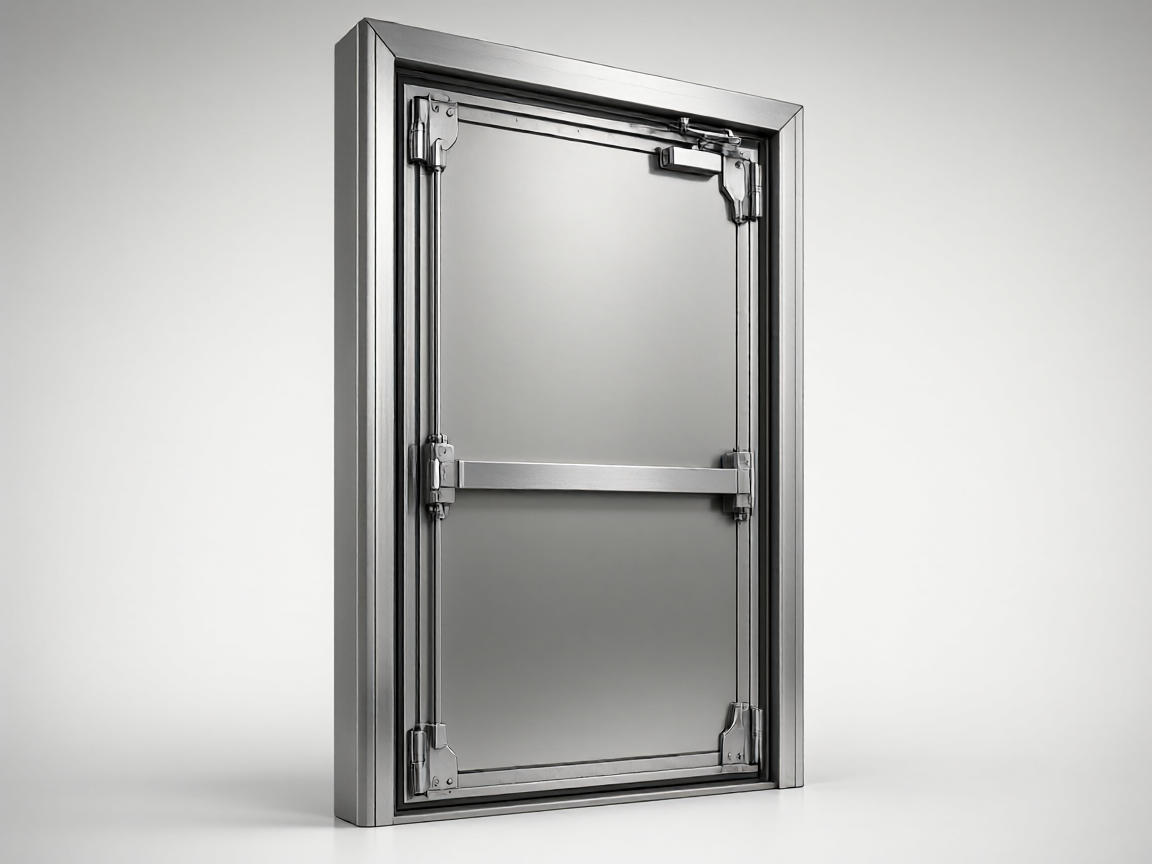
Project schedules rarely fail because of one delay; they fail when door packages arrive late, incomplete, or out of sequence. For architects, builders, and renovation contractors, the practical concerns are clear: will the door meet the required security level, resist rust in coastal or industrial environments, remain low-maintenance over years of use, fit a non-standard opening, and install without site modifications? Each decision affects lead time. Commercial & industrial doors are engineered products, not catalog commodities, so the earlier the specification is locked, the more predictable the delivery. This guide explains how materials, construction, customization, and logistics influence project timelines—and how to plan around them.
Core Materials and How They Affect Lead Time
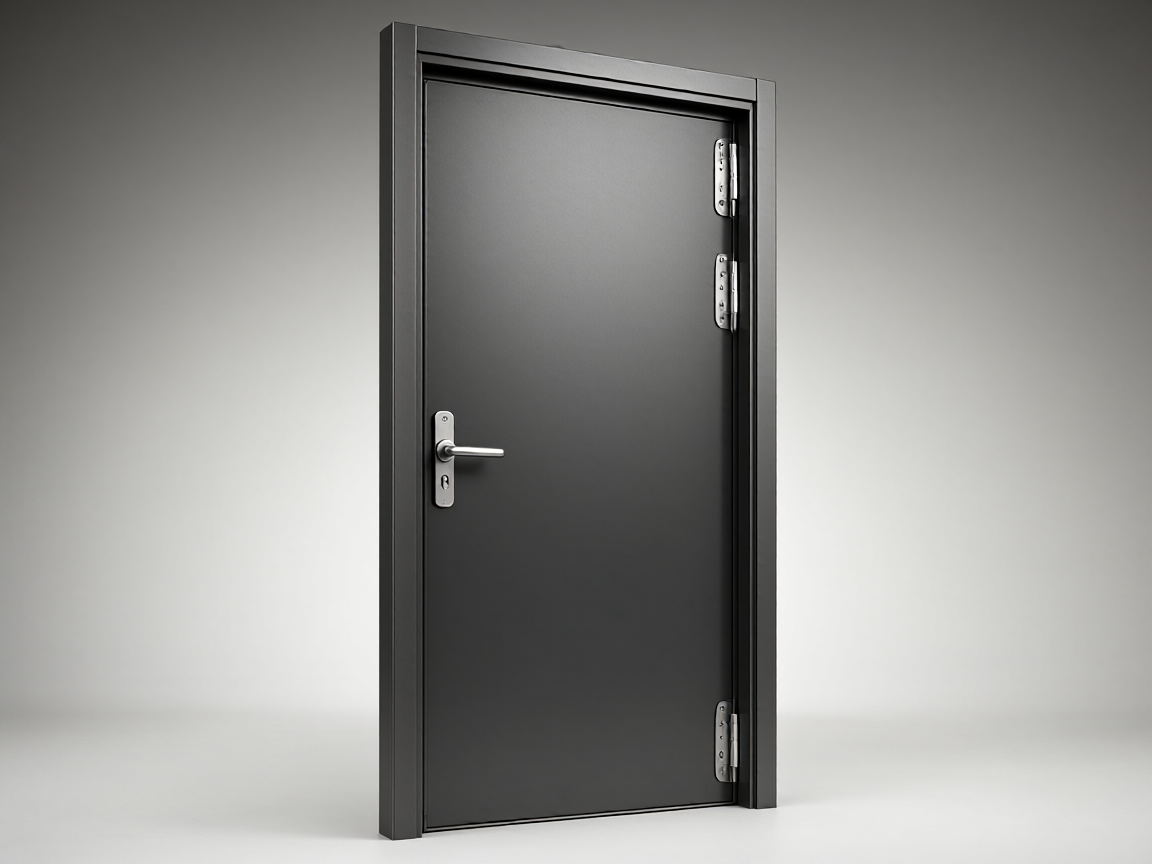
Most commercial and industrial door systems are built from galvanized steel, aluminum, or stainless steel. Galvanized steel offers impact resistance and cost efficiency for warehouses, service corridors, and back-of-house areas. Aluminum is lighter, naturally corrosion-resistant, and suited to storefronts, production facilities, and exterior applications where salt or humidity is present. Stainless steel is specified for food processing, chemical plants, and marine environments where hygiene and corrosion resistance are critical.
Material availability is the first lead-time variable. Standard galvanized and aluminum grades are usually stocked, while stainless steel in specific alloys or thicknesses may require mill ordering. When a project specifies a custom aluminum courtyard gate or a cast aluminum villa door alongside commercial door packages, production scheduling must align different material streams. Early confirmation of alloy, gauge, and finish prevents the most common delay: a specification change after fabrication begins.
Product Structure and Specification Details That Drive Schedule
Door performance and production time are determined by interrelated specifications. Review them together, because changing one often affects another.
- Frame thickness: Standard frames suit masonry or steel stud openings; heavier frames are needed for large openings, high-wind zones, or industrial traffic. Non-standard profiles add fabrication time.
- Plate thickness: Face sheets typically range from 1.0 mm to 2.0 mm for aluminum and 0.8 mm to 1.5 mm for steel. Thicker plates improve rigidity and security but increase weight, hardware requirements, and handling logistics.
- Filling: Aluminum honeycomb filling provides a strong, lightweight core with good flatness and corrosion resistance. PU foam or mineral wool is used for insulation and fire performance. Honeycomb cores are often made to order, so confirm availability early.
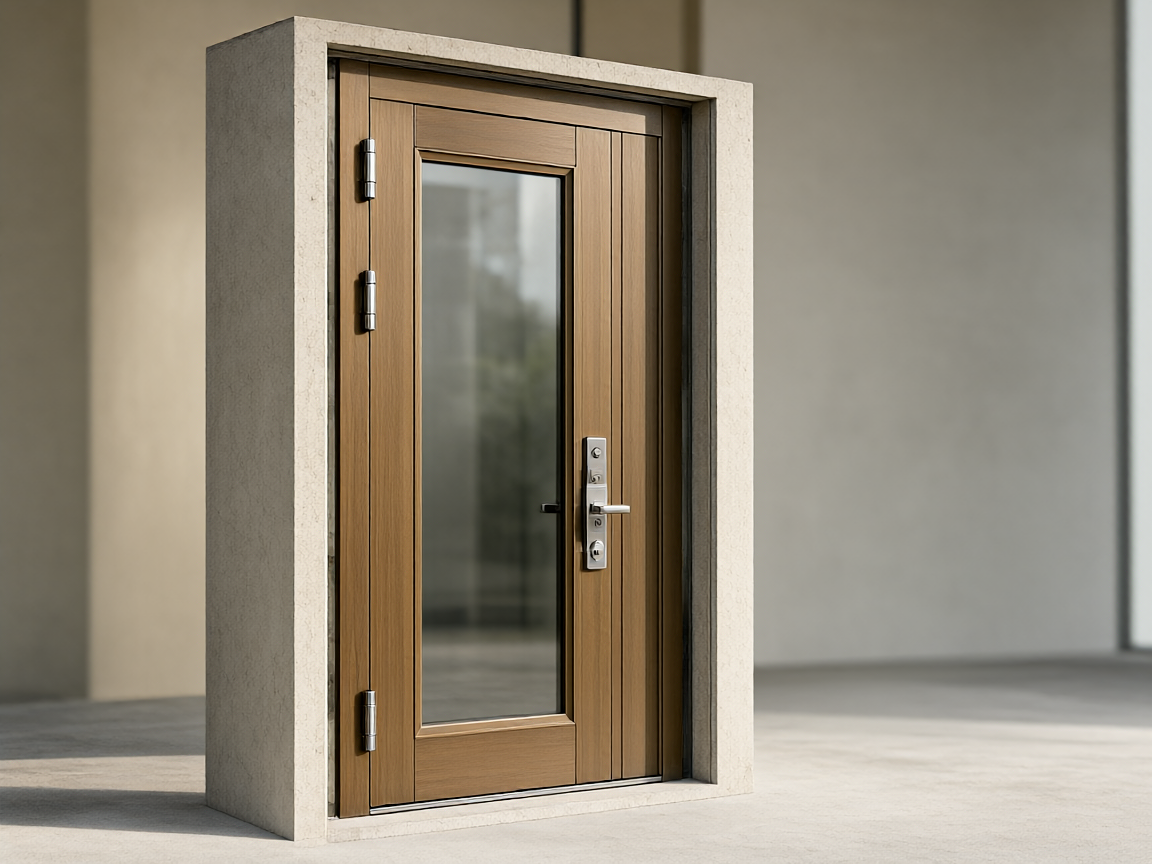
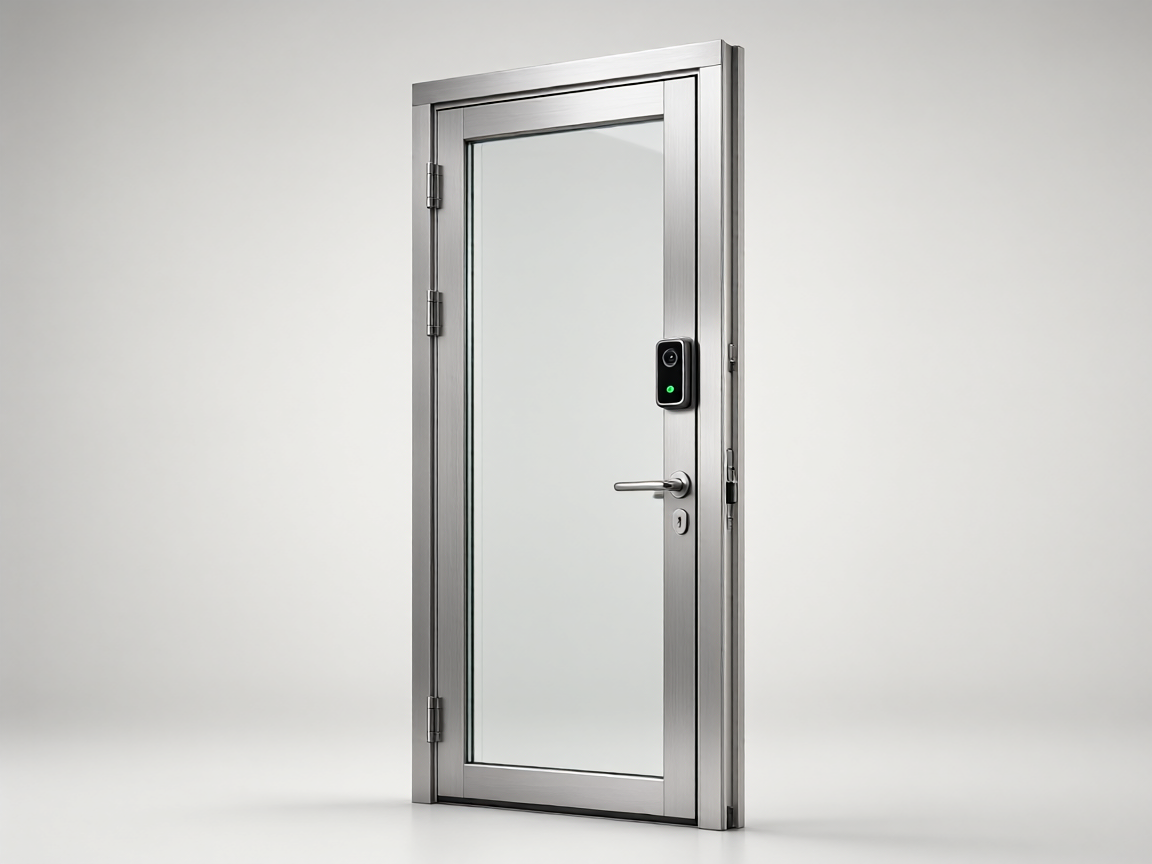
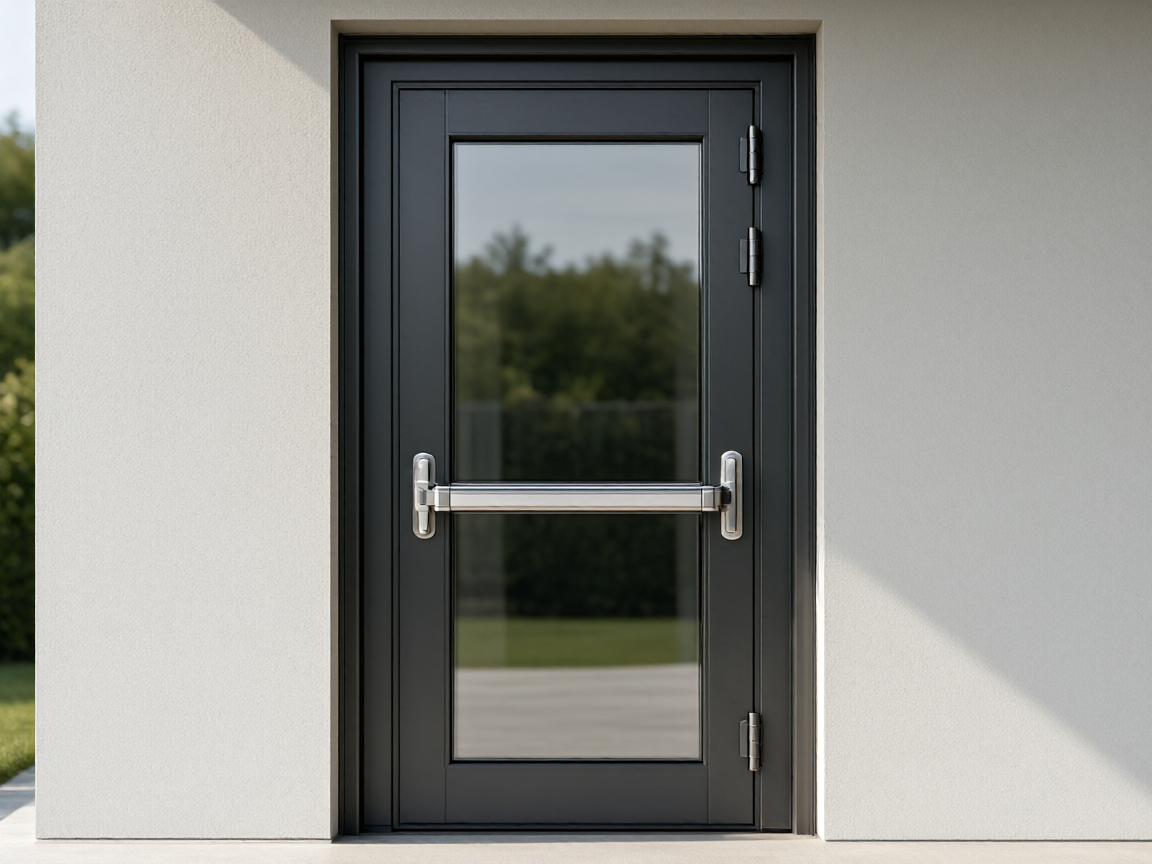
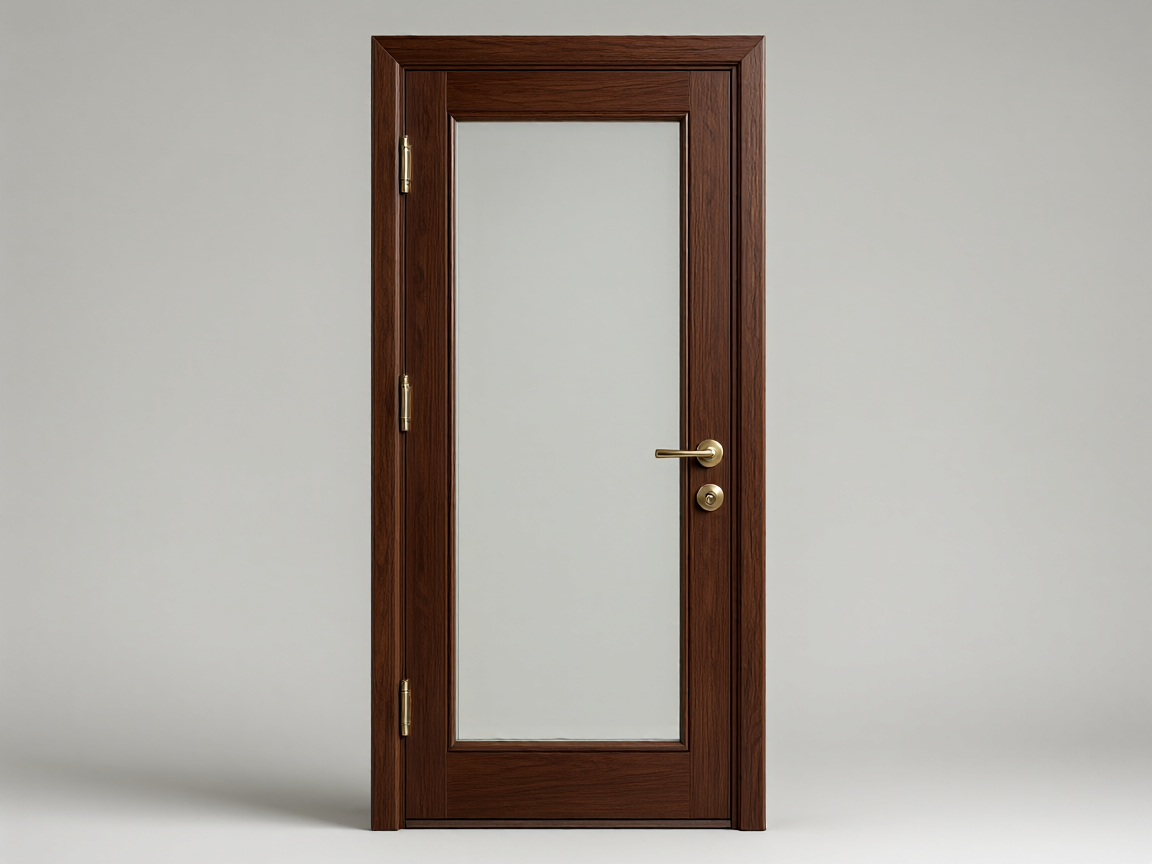
- Glass: A glass spliced exterior door combines aluminum framing with large glazed panels. Lead time depends on glass type, thickness, tint, and whether tempered or laminated safety glass is required.
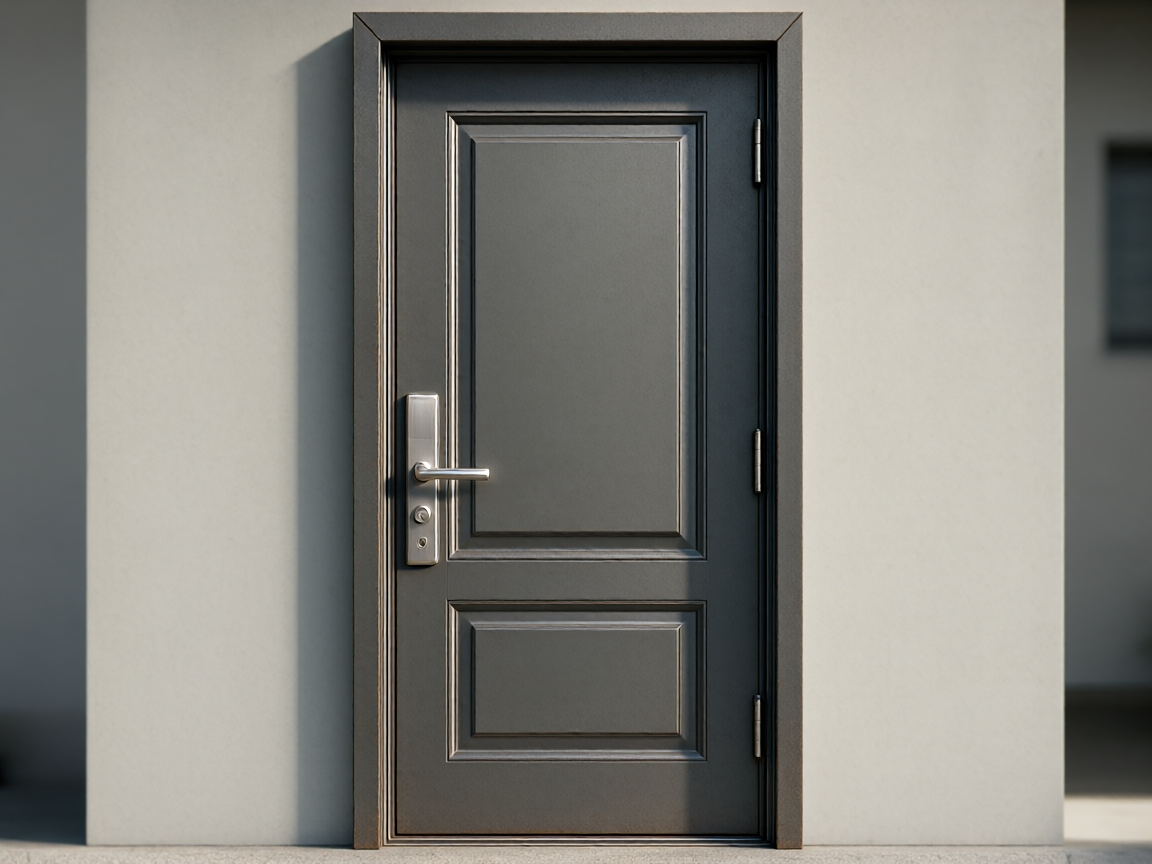
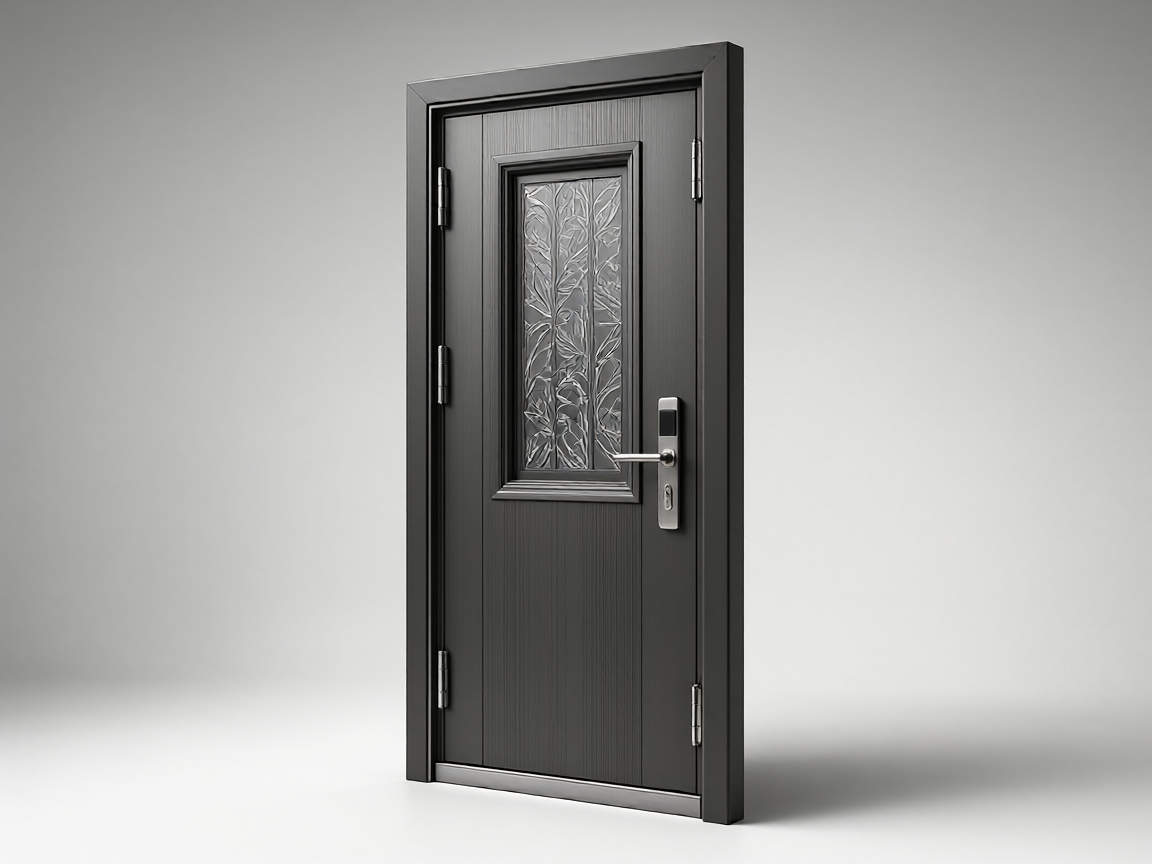
- Lock system: Mechanical multipoint locks are readily available. A smart fingerprint lock or access-control integration requires wiring, power supply, and commissioning coordination, adding days to weeks.
Every deviation from a standard configuration adds engineering review, cutting, welding, finishing, and inspection time. A complete, approved specification package is the single most effective way to shorten the critical path.
Key Advantages for Villa and Commercial Exterior Applications
Exterior door systems are exposed to weather, traffic, and security risk. Aluminum and coated steel doors resist rust through galvanized substrates, powder coatings, and stainless hardware. Low-maintenance finishes reduce long-term service calls, which matters for commercial facilities and villa estates alike. For villa exterior applications, these properties support large-format entrances, poolside access, and street-facing gates that must match the architecture while withstanding coastal air.
From a schedule perspective, durable materials reduce callbacks and replacement lead times after handover. Doors specified with corrosion-resistant hardware, sealed joints, and UV-stable finishes are less likely to generate warranty claims that disrupt final inspections. For industrial projects, robust construction also minimizes downtime and replacement cycles in high-use openings.
Available Custom Options and Their Lead-Time Impact
Customization is where project timelines are most often underestimated. The options below are manageable, provided they are decided before production release.
- Finish and color: Standard powder-coat colors are faster; custom RAL or anodized finishes require batch scheduling.
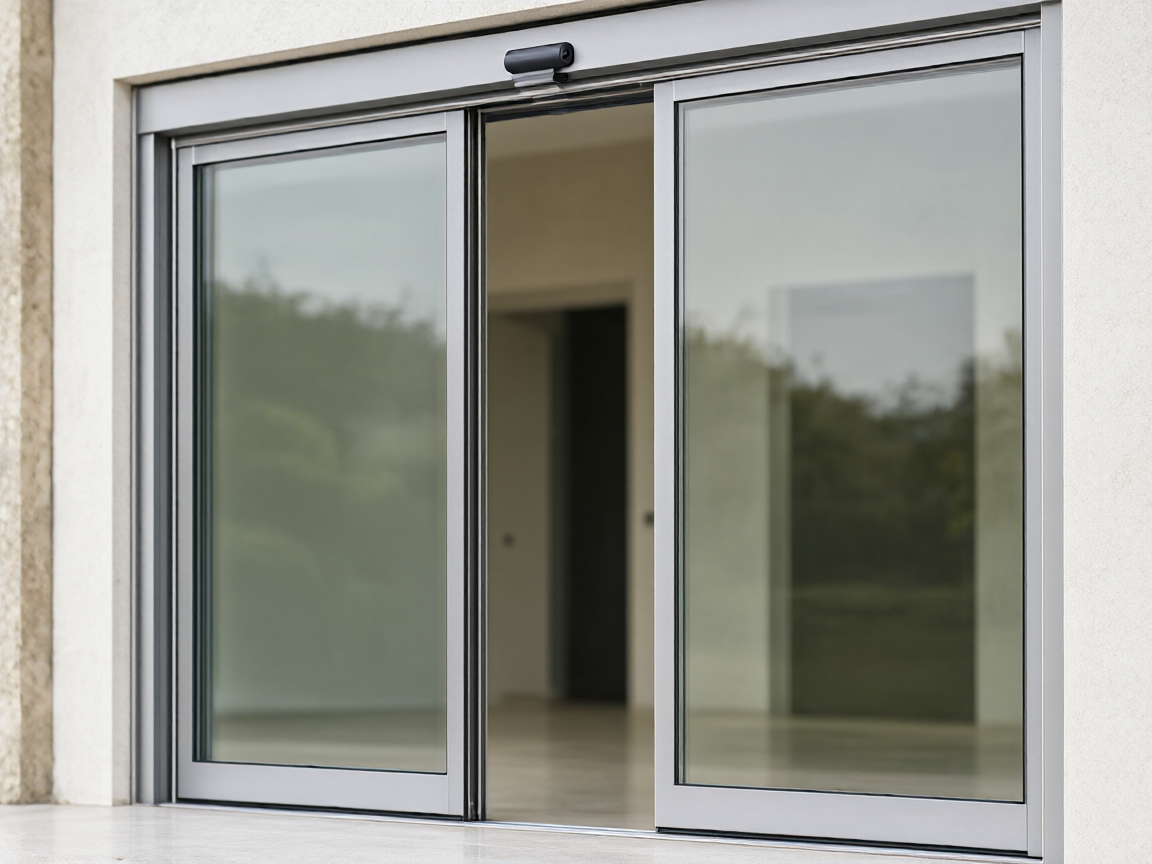
- Opening direction: Inward, outward, left-hand, right-hand, and sliding configurations affect frame fabrication and hardware.
- Smart lock: A smart fingerprint lock, keypad, or card reader needs power routing and testing. Confirm backset and cavity dimensions early.
- LED decoration: Integrated lighting requires low-voltage wiring, drivers, and weatherproof connections. It should be detailed on shop drawings.
- Transom lintel: A transom or lintel changes the structural opening and may require separate shipping crates and installation sequencing.
Projects that combine commercial and residential elements—for example, a custom aluminum courtyard gate at a facility entrance or a cast aluminum villa door at a model home—should be grouped into one production release where possible. This reduces setup changes and consolidates freight.
Buying and Selection Tips for Predictable Delivery
Use typical planning ranges as a starting point, then confirm actual lead times in writing with your supplier. Ranges vary by manufacturer, quantity, finish, and season.
| Door package | Typical planning range | Main schedule driver |
|---|---|---|
| Standard steel commercial door | 3–6 weeks | Stock material and standard hardware |
| Aluminum exterior door | 4–8 weeks | Finish and glass selection |
| Custom aluminum courtyard gate | 6–10 weeks | Design approval and fabrication |
| Cast aluminum villa door | 8–12 weeks | Casting, finishing, and hardware |
| Glass spliced exterior door | 6–10 weeks | Glass procurement and framing |
| Smart lock integration | Add 1–2 weeks | Wiring, configuration, and commissioning |
- Request a written lead-time breakdown: engineering, material procurement, fabrication, finishing, hardware, and freight.
- Approve shop drawings and finish samples before the production slot is confirmed.
- Ask whether quoted lead times are calendar or business days, and whether they start at deposit or drawing approval.
- Confirm glass and hardware availability separately; these are frequent bottlenecks.
- Plan phased deliveries for large projects so installation follows the construction sequence.
- Include a buffer of 10–15% of total lead time for inspections, shipping delays, and site readiness.
- Verify installation requirements early—anchor type, opening tolerances, power location, and clearance for large panels.
Conclusion
Lead time for commercial & industrial doors is not a single number; it is the sum of specification decisions, material availability, fabrication complexity, and logistics. Security requirements, rust resistance, low-maintenance finishes, custom sizing, and installation details all influence how quickly a door package can be produced and delivered. By finalizing specifications early, approving drawings promptly, and coordinating custom elements such as glass spliced exterior doors, aluminum honeycomb filling, and smart fingerprint locks with the rest of the schedule, project teams can protect their timelines and avoid costly site delays.
相关推荐